



After days of tension, US and Iran choose dialogue over conflict
Thekabarnews.com—The US and Iran have agreed to stop further attacks in the Gulf and return to diplomatic talks over the long-running dispute over the Strait of Hormuz. This follows days of military...

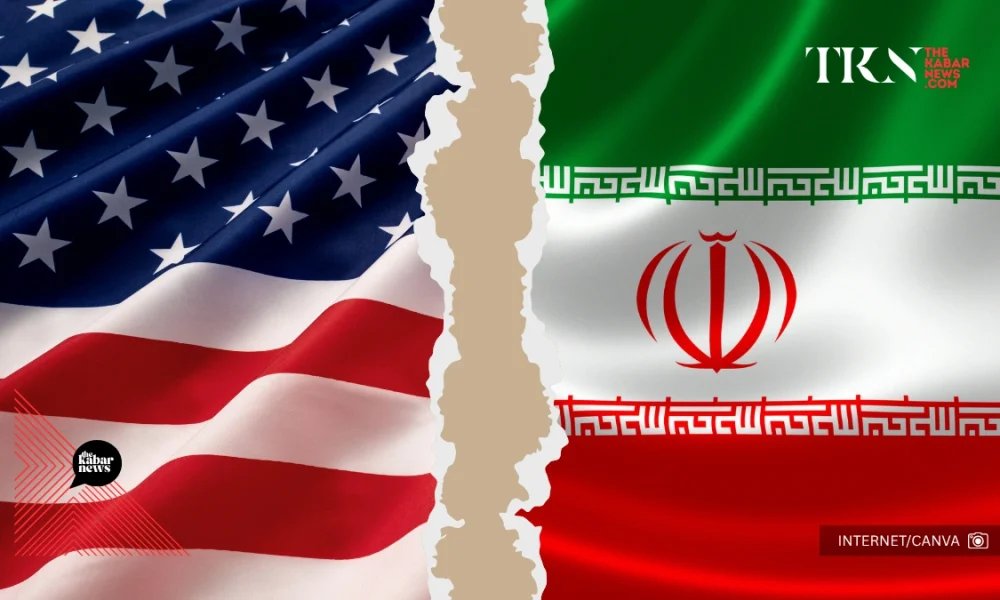
Thekabarnews.com—The US and Iran have agreed to stop further attacks in the Gulf and return to diplomatic talks over the long-running dispute over the Strait of Hormuz. This follows days of military exchanges that raised fears across the Middle East.
The reported breakthrough has revived hopes that dialogue rather than confrontation will prevail in one of the world’s most strategically important waterways.
According to various international media agencies, U.S. officials said both sides have agreed to stop retaliatory military actions. Negotiators now prepare to meet in Doha, Qatar, to discuss maritime security. They will also address other issues involving the Strait of Hormuz that remain unresolved.
That understanding follows days of mounting hostilities. These hostilities threatened to unravel a fragile interim peace framework put in place earlier this month.
Governments, shipping companies, and global energy markets have been wary of recent tit-for-tat missile and drone strikes. Meanwhile, the Strait of Hormuz is one of the world’s most important routes for oil and liquefied natural gas exports.
The latest development was more than a diplomatic statement for the Gulf. As a result, it offers the prospect of quieter skies, safer shipping lanes, and greater confidence that the region can avoid another round of escalating violence.
The Strait of Hormuz represents a significant portion of the world’s seaborne energy exports each day. Therefore, stability in the region is critical not only to regional security but also to the global economy.
Disruption to commercial shipping can quickly affect international energy prices, supply chains, and the price of goods around the world.
The knowledge of the grave dangers of a long military confrontation leads to a return to negotiations. This principle applies to both countries and the states of the region.
Analysts are expected to work to secure safe passage for commercial ships. They will also resolve long-standing security and navigation disputes in the waters. However, the road to a lasting settlement remains uncertain. Even if the reported deal has eased some immediate fears, there are still challenges.
A series of military incidents recently highlighted the fragility of peace efforts. These efforts are vulnerable to missteps or isolated attacks that could jeopardize wider stability.
Each ceasefire provides a new opportunity for families throughout the region to return to normal life. They can live without the threat of further escalation.
Concern about stability is felt by fishermen, dock workers, shipping crews and companies. These groups rely on the free flow of shipping.
International observers welcomed the resumption of diplomacy and stressing the importance of continued dialogue to avoid future crises.
The Doha talks will be a test of whether the two sides can use the current lull to build a more lasting framework for regional security. For now, the deal represents a major shift from missiles to meetings. It also marks a shift from confrontation to conversations.
Washington and Tehran still have major differences. However, the push to get back to the negotiating table is a reminder that diplomacy is often the best way to de-escalate tensions. It helps to protect the lives of millions who have no say in what is happening far beyond their control.
It remains to be seen if this latest breakthrough will usher in lasting peace. Still, for communities across the Gulf, and a world with a close eye on what happens in the Strait of Hormuz, even a temporary step back to dialogue is a big stride towards greater stability.






No Comment! Be the first one.