



Millions of users are rethinking Google Search in the age of AI
Thekabarnews.com—Google has been practically synonymous with searching the internet for more than twenty-five years. Billions of daily questions started with the familiar search bar. People use it to...

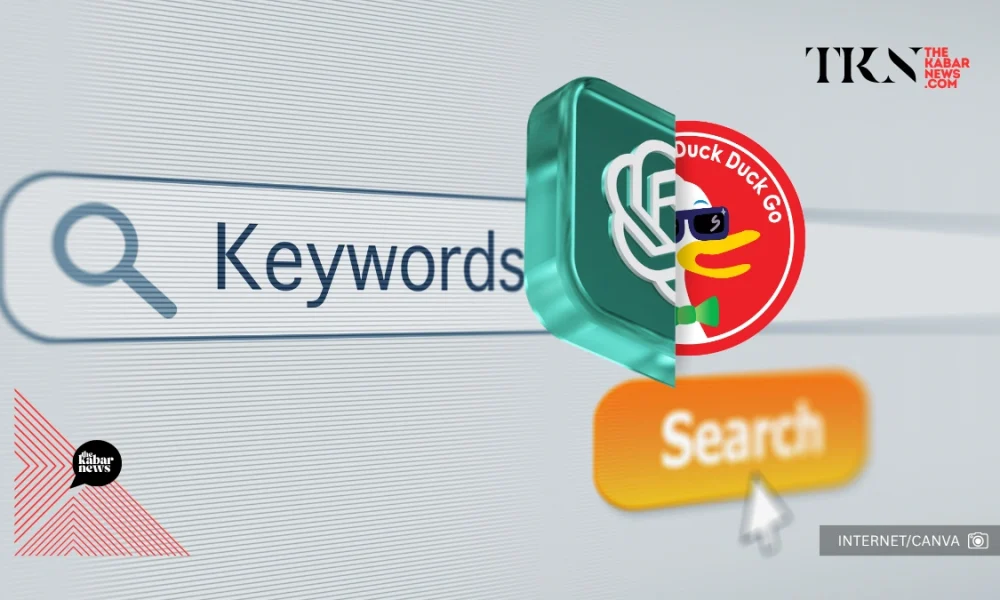
Thekabarnews.com—Google has been practically synonymous with searching the internet for more than twenty-five years. Billions of daily questions started with the familiar search bar. People use it to settle a disagreement, acquire a new skill, or find the closest restaurant.
But nowadays that is beginning to change. These two very different motives are pushing more and more internet users to try new ways of searching for information.
Some people are drawn to the convenience of artificial intelligence (AI), while others prefer a more traditional, privacy-focused online experience.
A recent study from CNBC shows that alternative search engines have been growing as people steadily change their internet usage.
Search engine DuckDuckGo, which emphasizes privacy, said its weekly rise in installations was as high as 40 percent. Meanwhile, Microsoft’s Bing stated it had surpassed one billion users in the previous quarter.
Meanwhile, the rise of the most downloaded free apps on Apple’s iOS platform continues, with the rise of the chatbot ChatGPT. This indicates a significant change in how people process information.
Many consumers prefer AI-powered chatbots, since they can simplify complicated situations in seconds. AI-powered chatbots save users from opening many websites and comparing dozens of search results.
Users obtain brief replies in conversational interfaces instead of having to wade through pages of links. Another group of users is heading in the opposite direction.
Are you concerned about the privacy, openness or accuracy of the AI-generated responses? Many have shifted to search engines that specialize in traditional web search.
To answer that desire, DuckDuckGo has introduced noai.duckduckgo.com. This is a version of their search service that minimizes AI-generated features and favors traditional search results.
People have various preferences, and today’s internet consumers demand one search experience to fit all. Some like the speed and the AI help. Some desire more control over what information they get and where from.
At the same time, competition in the AI industry is intensifying. For example, Google’s Gemini, Anthropic’s Claude, and OpenAI’s ChatGPT are all battling for the title of the go-to AI assistant for consumers, businesses and developers.
The rivalry is not only for products but also for talent. The world’s greatest technology businesses are battling aggressively for the best AI researchers.
Just recently it was reported that many of the leading AI experts had left Google to work for other businesses such as Open AI and Anthropic. (Noam Shazeer, John Jumper, etc.)
Analysts at investment company Jefferies said the move signals a step up in the race for top AI talent in Silicon Valley.
But even with all of this, Google remains the dominant player in internet search worldwide. It takes the vast majority of global search traffic and still makes a substantial amount of cash from its search business.
But the rise of other platforms suggests that customers are getting different expectations. This is no longer a case of one firm losing, and one company gaining market share.
It is about customers choosing what they want out of varied digital experiences. These may include faster replies from AI, better privacy protection, or increased confidence to seek information on their own.
As AI continues to transform the internet, the era of a single platform dominating the future of search may be coming to an end.
Maybe it’s more a digital ecosystem that is more diversified, where consumers decide how they want to access knowledge. They consider usability, transparency, and trust in a world that is increasingly molded by AI.






No Comment! Be the first one.