



Ariana Grande criticizes White House for using her song in immigration video
Thekabarnews.com—Singer Ariana Grande publicly called out the White House after officials used her song “Bye” in a social media video. The video promoted the administration’s immigration enforcement...

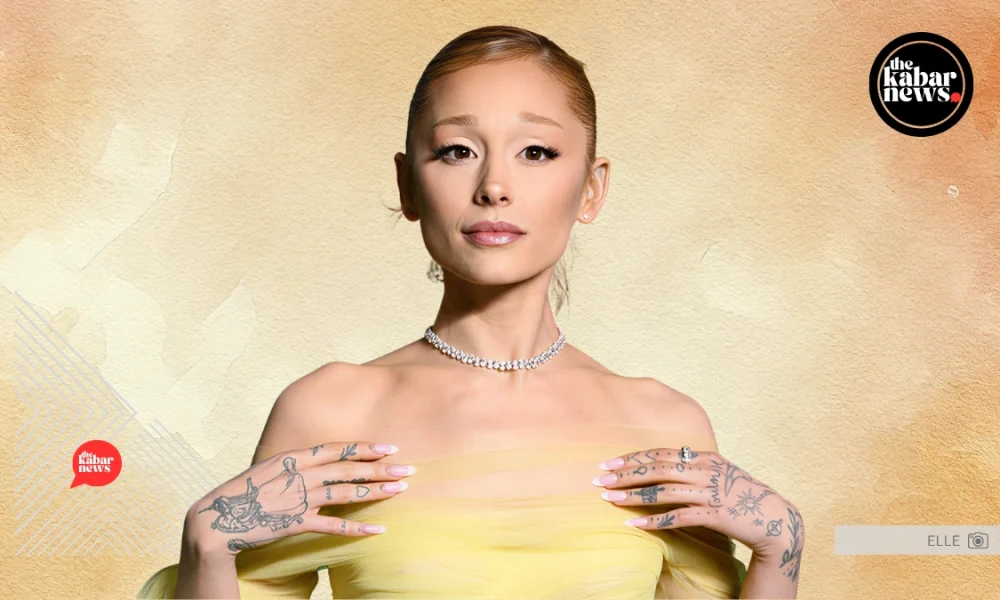
Thekabarnews.com—Singer Ariana Grande publicly called out the White House after officials used her song “Bye” in a social media video. The video promoted the administration’s immigration enforcement policies.
The dispute emerged after the White House posted a 14-second video on TikTok showing law enforcement officers, including from U.S. Immigration and Customs Enforcement (ICE), handcuffing and detaining people during immigration sweeps.
The clip, which was set to Grande’s 2024 song “Bye,” featured the caption “Bye-bye. “President Trump has delivered the most secure border in history.”
The audio has since been removed from the video, media reports said.
On Thursday, June 11, Grande responded directly to the TikTok post in the comments section. She said she opposed the administration’s messaging on immigration using her music.
“Please do not use my music in relation to this barbaric, inhumane, heinous nonsense,” the singer wrote, as quoted by CNN.
Her comment later disappeared from public view, reports said. Grande has not stated whether she will pursue legal action over the use of the song.
The White House shot down Grande’s criticism, defending both its immigration policies and the social media campaign.
White House spokeswoman Abigail Jackson told CNN that the administration considers its immigration enforcement efforts necessary to protect public safety.
“We’ll say this one last time: what’s actually barbaric, inhumane, and heinous are the criminal illegal aliens who have injured and murdered innocent American citizens,” Jackson said.
The administration did not directly address questions about its use of Grande’s music.
The disagreement is among a rising number of cases in which musicians have objected to politicians or government agencies using their songs in political messaging. This includes campaign-related content without their approval.
Artists have often claimed that use of their music could imply political endorsement. Such behavior happens even when they disagree with the message.
The rules around using music in political content can differ based on copyright licensing agreements and platform policies. The context in which people use copyrighted material also matters.
The exchange comes as immigration continues to be one of the most divisive political issues in the United States.
Border security and immigration enforcement are still at the core of the Trump administration’s domestic agenda. The administration has often used social media to tout policy accomplishments and enforcement actions.
Meanwhile, some enforcement actions raise humanitarian concerns, particularly concerning detention practices and the treatment of migrants.
Grande’s public criticism has added another high-profile celebrity voice to the broader national discussion of immigration policy. Additionally, it has impacted the role of public figures in political discourse.
The case further underlines the growing entanglement of politics, social media and popular culture. Music, digital content and public messaging often intersect in ways that capture the public’s attention.



No Comment! Be the first one.