



Kellogg plant closure in Omaha to eliminate 451 jobs after 80 years of operation
OMAHA, Thekabarnews.com—WK Kellogg Co. said Tuesday it will permanently close its Omaha, Neb., manufacturing facility. This action ends more than eight decades of operation at one of the city’s...

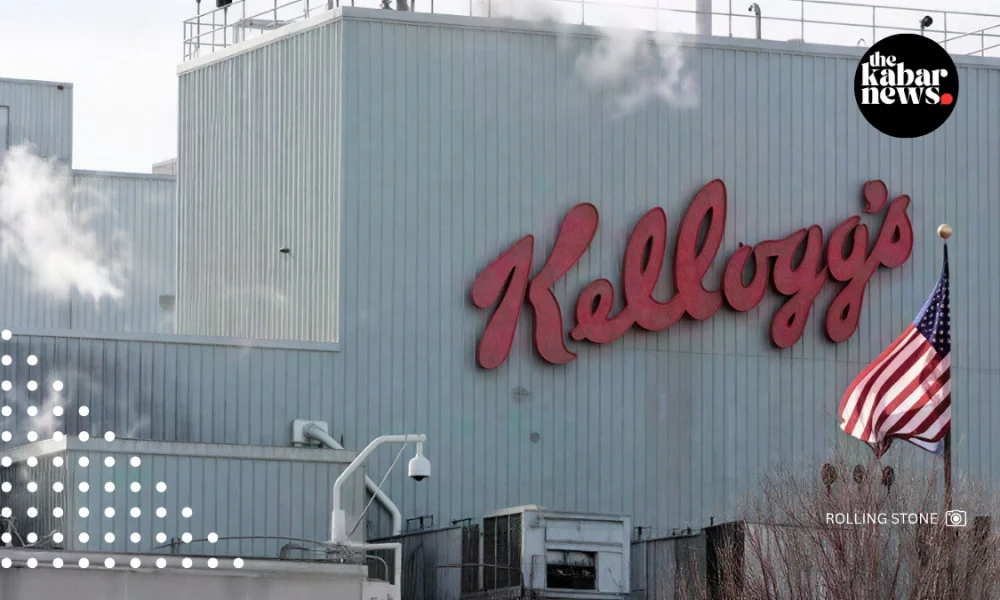
OMAHA, Thekabarnews.com—WK Kellogg Co. said Tuesday it will permanently close its Omaha, Neb., manufacturing facility. This action ends more than eight decades of operation at one of the city’s historic industrial sites. Furthermore, it eliminates 451 jobs.
The company officially informed the Nebraska Department of Labor on May 22 of the closing. The notice detailed a phased workforce reduction that will commence in July and extend through August.
The filing said the first round of layoffs will affect about 100 employees. Moreover, the company will conduct a second, larger round of workforce reductions from August 4 to August 18. This second round will impact approximately 350 additional employees.
The Omaha facility at 96th and F Streets has been continuously operating since 1942. It has been an important part of the region’s manufacturing sector for a long time.
The plant was a reliable source of employment for decades and was crucial to the local economy. The plant has employed generations of Omaha residents, and its closure is a significant event for the local community.
Company officials have not given detailed public explanations for the decision. However, food manufacturers throughout North America are evaluating production efficiencies and operating expenses. They are also looking at automation investments and supply chain optimization as they adapt to changing market conditions.
The shutdown is a giant blow to hundreds of workers and their families. They now have to find new jobs in a competitive labor market.
In response, local and state officials have begun to coordinate assistance programs to help affected employees through the transition.
Government agencies, workforce development organizations, and labor officials are preparing a range of services. These include assistance with job placement, career counseling, skills training, and special job fairs to link displaced workers with prospective employers.
Officials hope these efforts help blunt the economic impact on workers and the greater Omaha area.
The ripple effects of widespread factory closures extend beyond direct job losses. Other businesses in the community, such as suppliers and transportation companies, may also see less economic activity. Restaurants and service companies that depend on plant employees could experience similar declines.
The closure is thus not only a workforce issue. It also underscores the struggles of many manufacturing communities as companies continue to reshape their operations to meet changing industry trends.
Community leaders are concerned about what losing a fixture of Omaha’s industrial landscape for more than 80 years means for the long term.
Many residents see the plant as a symbol of the city’s manufacturing heritage and economic development.
Workforce agencies will try to help affected workers find new opportunities as layoffs begin in coming weeks. Meanwhile, local leaders work to lessen the economic fallout of one of the largest recent manufacturing shutdowns in the region.
The closure of the Omaha plant marks the end of a significant chapter in Nebraska’s industrial history. It raises larger questions about the future of manufacturing employment in the United States.






No Comment! Be the first one.