



Indonesia hosts ASEAN disaster management meetings
TANGERANG, The Kabar News—Indonesia opened a series of high-level ASEAN disaster management meetings in Tangerang on Monday. The meetings brought regional officials and dialogue partners together to...
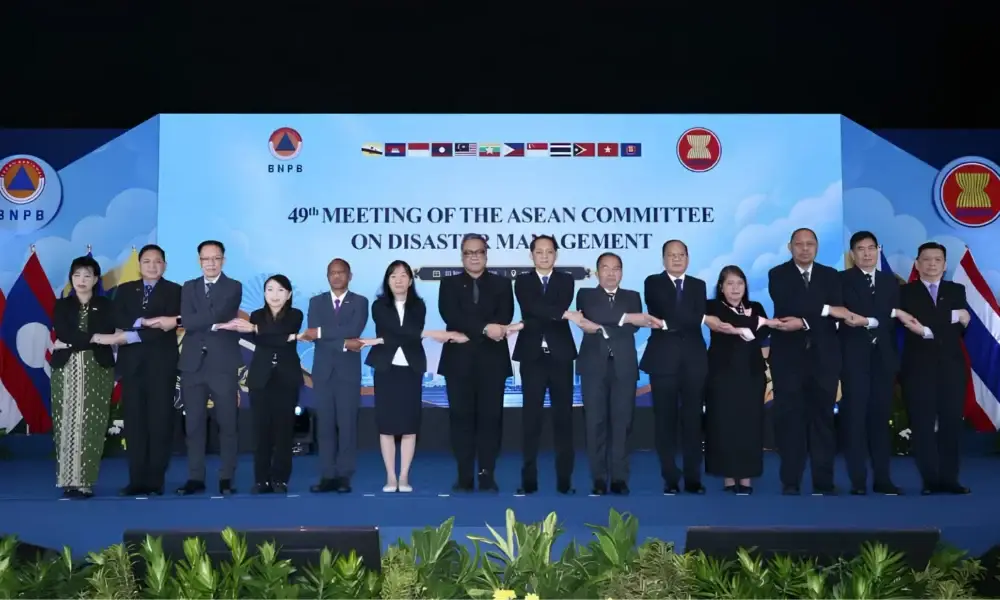
TANGERANG, The Kabar News—Indonesia opened a series of high-level ASEAN disaster management meetings in Tangerang on Monday. The meetings brought regional officials and dialogue partners together to strengthen early warning systems and cross-border emergency coordination.
The 49th ASEAN Committee on Disaster Management meeting (ACDM) began on Nov. 23 in the city on Jakarta’s western outskirts. The wider program involves approximately 144 delegates from ASEAN countries and dialogue partners China, Japan and South Korea. This is according to information released by the National Disaster Mitigation Agency (BNPB).
The meetings will prepare recommendations for the 14th ASEAN Ministerial Meeting on Disaster Management (AMMDM). They will also make recommendations for the 15th Conference of the Parties to the ASEAN Agreement on Disaster Management and Emergency Response (AADMER).
Indonesia is chairing the regional disaster management process in 2026.
“Disasters recognize no borders and do not distinguish between countries and communities,” said BNPB Deputy for Systems and Strategy Raditya Jati, who chaired the ACDM meeting. “No single country can face today’s disaster risks alone.”
Read also: Indonesia shifts disaster policy toward prevention
The talks opened amid persistent floods and other weather-related hazards across Southeast Asia. Raditya cited the ASEAN Coordinating Centre for Humanitarian Assistance on Disaster Management, or AHA Centre, which recorded 28 disasters between Nov. 9 and 15.
The events included floods, landslides, droughts and storms. They affected an estimated 90,200 people and displaced about 5,400. Authorities reported 13 injuries, according to the AHA Centre’s Week 46 disaster update.
Indonesia reported flooding and severe weather in several provinces during that period. Thailand continued to deal with widespread flooding, while central Vietnam experienced floods and landslides after heavy rainfall.
The figures highlight how individual countries are unable to handle all regional risks by themselves. Hazards can impact shared river systems and supply chains. In addition, major emergencies can necessitate equipment or technical specialists from neighboring countries.
Read also: Indonesia dominates ASEAN economy in 2026 with $1.55 trillion GDP
Raditya welcomed ASEAN members’ readiness to support countries affected by major emergencies. However, he emphasized that any regional assistance must follow the needs and procedures established by the receiving government.
That approach reflects the One ASEAN, One Response framework. This framework seeks to coordinate regional resources through national disaster agencies and the AHA Centre.
“ASEAN solidarity is not measured only by the assistance we send but by our willingness to stand together when a neighboring country needs us most,” Raditya said.
He urged governments to convert regional commitments into stronger institutions and practical measures at national and community levels. Local warning systems and trained communities remain essential. This is crucial because residents and local responders often take the first action before outside assistance arrives.
Read also: Prabowo joins ASEAN summit as haze tops agend
The AHA Centre, which ASEAN established in 2011, monitors emergencies and helps coordinate humanitarian assistance among member states. Its governing board consists of the heads of ASEAN’s national disaster management organizations.
On Nov. 24, delegates will attend the 25th AHA Centre Governing Board Meeting and the 10th ASEAN Disaster Resilience Platform. A side seminar will examine how governments and financial institutions can align funding for climate action, disaster risk reduction and sustainable development.
Ministers will then meet for the 14th AMMDM and the 15th AADMER conference on Nov. 25. The agenda also includes ASEAN Day on Disaster Management and the commemoration of the 2026 International Day for Disaster Risk Reduction.
Organizers plan to mark a decade of One ASEAN, One Response and launch the ASEAN Sustainable Resilience Strategies. The ministerial track will continue on Nov. 26 with meetings involving China, Japan and South Korea, according to the ASEAN Secretariat.
Read also: Prabowo: ASEAN must build resilience from within
Organizers scheduled the broader program to run through Nov. 27, while ASEAN ministers will conclude their main meetings and hand over the ACDM chairmanship on Nov. 26.
The meetings will ultimately be judged by whether their agreements improve warning coverage and speed up assistance during actual emergencies.
Regional coordination provides a framework. However, effective disaster resilience still depends on governments translating decisions into funded programs that reach vulnerable communities.






No Comment! Be the first one.