



MBG kitchen partners camp outside BGN over payments
JAKARTA, The Kabar News—Partners in Indonesia’s Free Meals (MBG) program have camped outside the headquarters of the National Nutrition Agency in Jakarta, demanding written clarity over investments...
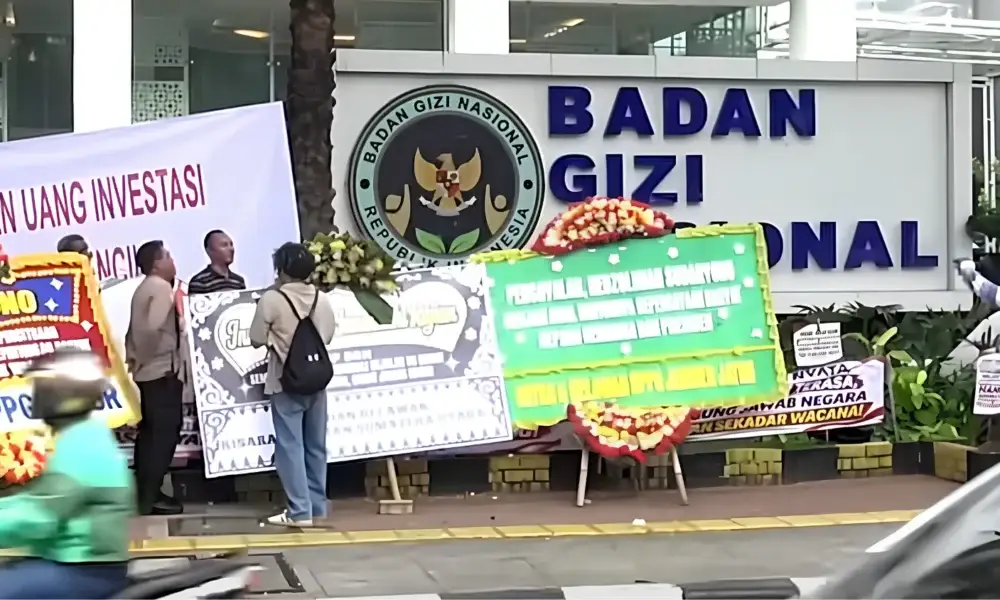
JAKARTA, The Kabar News—Partners in Indonesia’s Free Meals (MBG) program have camped outside the headquarters of the National Nutrition Agency in Jakarta, demanding written clarity over investments they made to build kitchens in remote regions.
Members of the Indonesian Nutrition Entrepreneurs Association for disadvantaged, frontier and outermost regions (APGI 3T) began erecting tents outside the BGN on Nov. 16. The protest continued through at least Nov. 20.
The protesters include operators of Nutrition Fulfilment Service Units (SPPGs) from West Kalimantan and other regions. They say they used private funds and loans to construct kitchens. Local government task forces recruited them for the national meals program.
Their central demand is clear: BGN should explain when the kitchens will begin operating. In addition, they want to know whether the government will reimburse construction costs under the original technical guidelines.
Read also: Will Indonesia move MBG outside education funding in 2028?
Iman Rohiman, a representative of SPPG partners in 3T regions, said local task forces asked some operators to complete kitchens within 35 days. However, more than a year later, several facilities remain inactive. Their operators continue to face debts and maintenance expenses.
The partners claim individual projects cost between Rp1 billion and Rp3 billion (US$59,000 to US$178,000), depending on location and transportation challenges. Authorities have not independently verified those figures.
Dabit Ragom, a participant from Kapuas Hulu regency in West Kalimantan, said the initial guidelines indicated that partners would receive payment after completing the physical construction.
“We have demonstrated several times at the BGN office and in Senayan, but BGN has yet to provide clarity,” Dabit said.
He claimed his group had waited about 11 months after completing construction. According to Dabit, later guidelines required partners to equip the facilities fully before the BGN would process payments. They also had to make the kitchens ready for operation.
Read also: Kapuas Hulu lifts Pertalite retailer price guideline
“I want payment under the original technical guidelines and the commitment BGN made before we built the kitchens,” he said.
Dabit and four other West Kalimantan partners said they would remain at the site until BGN provided a clear settlement. The protesters also rejected what they identified as a revised technical policy under Decree No. 63551. They requested a direct meeting with BGN’s leadership.
BGN’s published policy presents a different understanding of the partners’ responsibilities. In a Nov. 3 statement, the agency said private partners had been responsible from the program’s outset for supplying kitchen buildings. They were also responsible for distribution vehicles and equipment.
BGN also set a maximum operating allocation of Rp3,000 per beneficiary for each meal. The agency said the ceiling would improve efficiency and accountability in the use of state funds. BGN argued that sound planning and procurement would allow operators to provide suitable meals within the allocated budget.
That policy highlights the central issue in the protest: whether earlier instructions or agreements created an obligation for BGN to repay construction expenses. Alternatively, the question is whether partners were always expected to provide the facilities at their own cost.
Read also: New MBG kitchen rules trigger partner concerns
Resolving the disagreement will require the parties to publish or jointly review their contracts. They must also review the original technical guidelines and subsequent revisions. Public disclosure would also clarify whether local task forces had the authority to promise reimbursement.
BGN has said that its central system determines which kitchens enter operation. The agency contacts approved partners, appoints SPPG heads and activates the virtual accounts used for program transactions. It has warned that associations and intermediaries cannot guarantee that a kitchen will receive operational approval.
The agency activated another 953 SPPGs across 34 provinces in early November, targeting services for about 1.5 million beneficiaries. It said the activation process was gradual and based on local needs.
You May Also Like: Sponsored Offers
As of Nov. 21, BGN had not posted a specific response on its website addressing APGI 3T’s payment allegations. A written explanation could help determine which claims arise from binding agreements and which reflect different interpretations of the program’s rules.
The dispute now requires more than assurances. BGN and the partners need to reconcile the relevant documents. They also need to disclose the payment and activation criteria and establish a timetable for resolving kitchens that remain idle.



No Comment! Be the first one.