



West Kalimantan records 1,230 Chikungunya cases
PONTIANAK, The Kabar News—West Kalimantan recorded 1,230 reported Chikungunya cases through the 46th epidemiological week of 2026, prompting provincial health authorities to urge residents to remove...
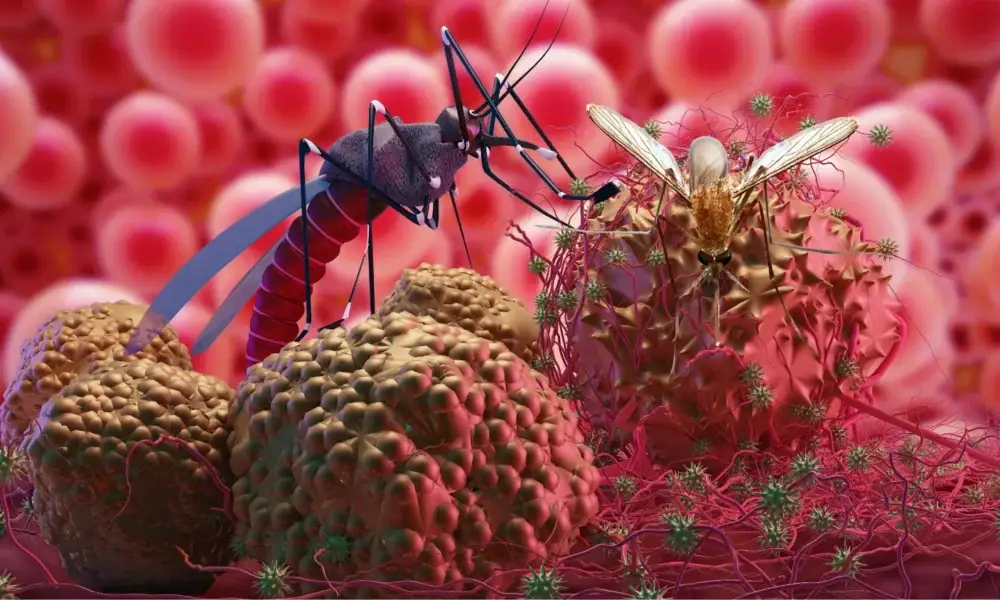
PONTIANAK, The Kabar News—West Kalimantan recorded 1,230 reported Chikungunya cases through the 46th epidemiological week of 2026, prompting provincial health authorities to urge residents to remove mosquito breeding sites and seek medical care when symptoms appear.
The total consisted of 1,179 clinically diagnosed or suspected cases and 51 laboratory-confirmed infections, according to the West Kalimantan Health Office. The figures cover reports from districts and cities across the province.
“Chikungunya is a disease transmitted through the bite of a mosquito infected with the chikungunya virus,” West Kalimantan Health Office head Erna Yulianti said on Tuesday, Nov. 17.
Chikungunya spreads mainly through Aedes aegypti and Aedes albopictus. These species also transmit dengue and are most active during daylight hours, according to the World Health Organization.
Read also: Millions of lab-grown mosquitoes could soon be released in Florida and California
The common symptoms are sudden fever, intense joint pain and skin rash. Patients can also experience muscle pain, headaches or constant fatigue. Symptoms typically appear four to eight days after the bite of an infected mosquito.
Erna advised residents to seek medical attention if they develop a sudden fever above 38.5 degrees Celsius accompanied by intense joint pain.
“Early examination allows medical personnel to treat patients promptly and helps prevent wider transmission,” she said.
Early diagnosis is particularly important because Chikungunya symptoms can resemble those of dengue and Zika. Laboratory tests must confirm the infection, while medical personnel must assess warning signs that could indicate dengue or another illness.
Erna said the two diseases often show different patterns, although patients should not attempt to diagnose themselves solely from their symptoms.
Read also: Scientists explain why bats are better than pesticides at night
“Chikungunya can cause a sudden fever accompanied by severe joint pain, a skin rash and weakness,” she said. “Dengue may cause a high fever, headaches, muscle pain, nausea and vomiting, as well as bleeding. Severe dengue can be life-threatening.”
The provincial health office asked households to intensify mosquito-control measures through Indonesia’s 3M Plus campaign. The program calls on residents to drain and clean water containers regularly, cover water-storage facilities and remove discarded objects that can collect rainwater.
Residents should also use mosquito repellent and install screens on windows or ventilation openings. Wearing long-sleeved clothing during the day can reduce skin exposure when Aedes mosquitoes are most active.
Read also: New study suggests five minutes of prayer may help reduce pain and anxiety
“The most important step for our children and families is the 3M campaign,” Erna said. “We must drain places that could become mosquito breeding sites, tightly cover water containers and recycle unused items.”
The Indonesian Health Ministry recommends maintaining clear drainage and using larvicide in water containers when appropriate. Community clean-up campaigns can also reduce breeding sites across densely populated neighborhoods.
People with suspected or confirmed Chikungunya should take extra precautions against mosquito bites during the first week of illness. A mosquito that bites an infected patient can acquire the virus and later transmit it to another person.
There is currently no specific antiviral treatment for Chikungunya. Treatment generally focuses on rest, adequate fluids and symptom relief. The WHO recommends paracetamol for fever or pain until doctors rule out dengue because aspirin, ibuprofen and other non-steroidal anti-inflammatory drugs may increase the risk of bleeding in dengue patients.
Most people recover in about a week, but joint pain can last for weeks or months. Older adults, infants and people with underlying health conditions are at higher risk for severe illness or longer recovery.
You May Also Like: Sponsored Offers
West Kalimantan recorded far more suspected cases than laboratory-confirmed infections. Health authorities should continue testing and publish district-level trends to identify where transmission is concentrated. Routine mosquito control and prompt medical assessment remain the most practical defenses against further spread for residents.






No Comment! Be the first one.