



Millions of lab-grown mosquitoes could soon be released in Florida and California
Thekabarnews.com—America’s public health agencies are considering a widespread increase in mosquito control operations, with Florida and California being prime sites for future deployments of...

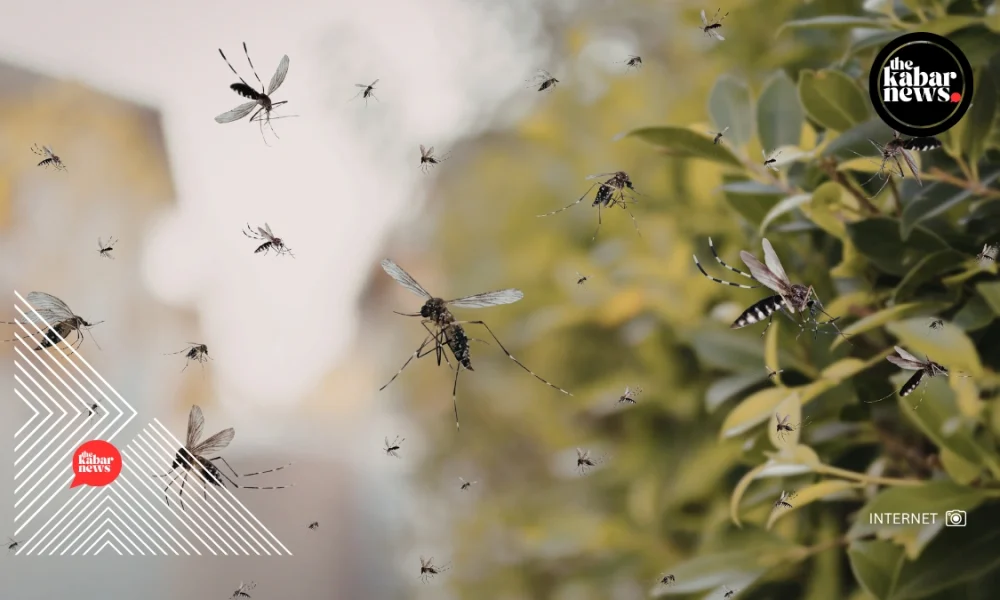
Thekabarnews.com—America’s public health agencies are considering a widespread increase in mosquito control operations, with Florida and California being prime sites for future deployments of genetically engineered insects. These insects aim to cut down on the transmission of deadly diseases.
The project involves releasing millions of lab-raised male mosquitoes to reduce populations of disease-carrying mosquito species.
Officials believe the method could help cut the spread of diseases such as dengue fever, Zika virus, chikungunya, and yellow fever. All of these remain a public health threat in areas of the world.
In Florida, mosquito control organizations have already launched trial projects. These include releasing millions of genetically engineered male mosquitoes in certain regions.
Researchers engineer these releases to target Aedes aegypti. The Aedes aegypti mosquito is a species of mosquito known to be one of the main transmitters of numerous viral illnesses.
Female mosquitoes bite humans and animals to take the blood they need for making eggs. Male mosquitoes do not bite people.
Scientists intentionally designed these male mosquitoes to mate with wild female mosquitoes. They incorporate a genetic characteristic that makes many of their offspring unable to survive to adulthood.
This process causes a progressive decrease in the mosquito population over time. Thus, there is a decrease in the number of insects carrying disease.
The technology might be a potentially useful supplement to standard mosquito-control approaches. These approaches include spraying insecticide, removing breeding habitats, and public education campaigns.
The technique is a targeted, environmentally conscious option because it targets only the mosquito species of interest. Moreover, it reduces damage to other insects and wildlife.
The spread of mosquito-borne diseases around the world has grown because of rising global temperatures. Additionally, increased international travel and expanding urban populations contribute to this growth.
Recently, there have been continuing outbreaks of dengue and locally transmitted cases of Zika in some parts of the United States. Therefore, authorities have sought new ways to prevent it.
New biotech advances have spurred interest in genetically engineered mosquito control projects. Governments are looking for better ways to fight public health problems.
But the project has also generated criticism among environmental groups and several community organizations.
Scientists still need to research the long-term ecological impacts of introducing genetically engineered insects into natural environments.
Some scientists have urged greater oversight and transparency to prevent any unanticipated environmental impacts of large-scale deployments.
Regulatory bodies and public health professionals said they had completed extensive testing and scientific reviews before permitting any field releases.
The teams working on the initiatives stress that the genetically altered male mosquitoes will not bite people or spread disease. Furthermore, they will not breed unchecked in the environment.
The public also cites promising results from earlier studies that showed large reductions in local populations of disease-carrying mosquitoes.
Florida and California are evaluating future releases. At the same time, health officials continue to communicate with local communities, scientists, and environmental groups to address concerns and explain the science behind the program.
Public health agencies are increasingly turning to genetically engineered mosquito technologies, underscoring biotechnology’s growing importance.
Mosquito-borne diseases continue to be a global concern. Policymakers are increasingly looking to creative ways as key tools to help protect populations and prevent future outbreaks.
Scientists and public health officials are still examining whether the technique can provide a sustainable and widely applicable solution. However, experts say reducing disease-carrying mosquitoes will continue to be an important focus for public health organizations in the years ahead.






No Comment! Be the first one.