



Why “insha Allah” differs in the stories of two Prophets
Prophet Moses and Prophet Ishmael say “Insha Allah” differently in the Quran when they face tests of patience. The language, say classical experts, indicates different degrees of dependence on Allah,...

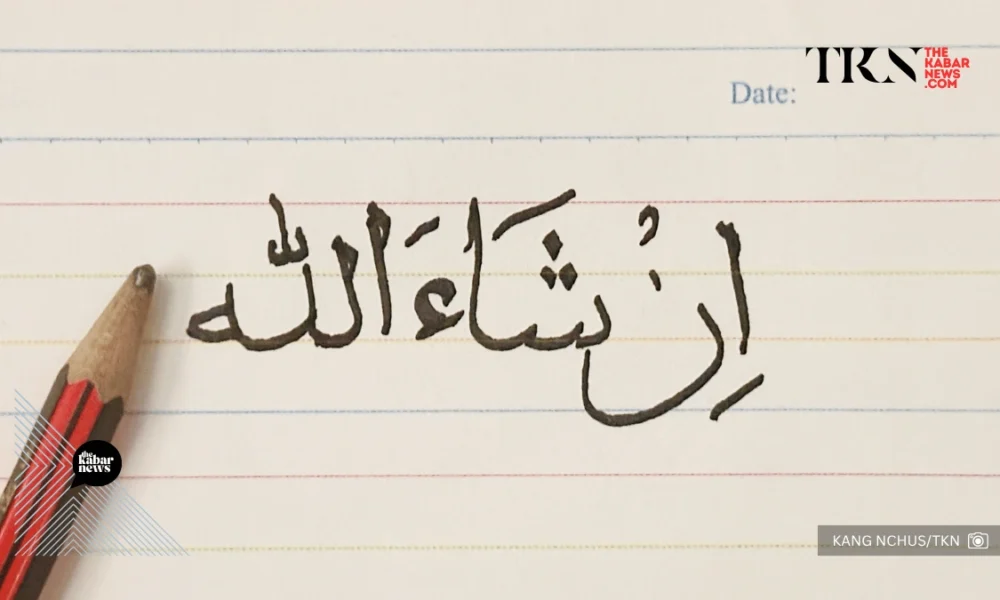
Prophet Moses and Prophet Ishmael say “Insha Allah” differently in the Quran when they face tests of patience. The language, say classical experts, indicates different degrees of dependence on Allah, humility, and steadfastness. Both legends show that patience is divine, not human, and given by the hand of God.
Thekabarnews.com—For a Muslim, the expression “insha Allah” is a familiar one. We often say “Insha Allah” when expressing a wish or making a plan. The Quran also records Prophet Moses saying “Insha Allah.” It was also spoken to by Prophet Ishmael in the Quran.
And you know what? The word “insha Allah” that was uttered by both prophets is different. What is the difference? Next, let us look at the following explanation.
The first story is in Surah al-Kahfi. There, Prophet Moses (peace be upon him) asked to accompany Prophet Khidr and learn from the knowledge Allah had granted him. He asked, “May I follow you so that you can teach me some of the right guidance you were taught?”
هَلْ أَتَّبِعُكَ عَلَىٰ أَنْ تُعَلِّمَنِ مِمَّا عُلِّمْتَ رُشْدًا
“May I follow you on [the condition] that you teach me from what you have been taught of sound judgement?” (Q.S. Al Kahfi: 66).
Prophet Khidr then warned Prophet Moses that he might struggle to remain patient when witnessing events whose hidden wisdom he did not yet understand. As a result, Prophet Moses, in answer to that, said:
قَالَ سَتَجِدُنِي إِنْ شَاءَ اللَّهُ صَابِرًا وَلَا أَعْصِي لَكَ أَمْرًا
[Moses] said, “You will find me, if Allāh wills, patient, and I will not disobey you in [any] order.” (Qur’an, Al-Kahfi: 69).
The answer shows remarkable determination. Prophet Moses promised to be patient and to obey all the instructions of Prophet Khidir. But on the way, he could not help but ask questions more than once. Such incidents happened when he saw actions that seemed to be contrary to the sharia, like making a hole in the boat, killing a child, and fixing a wall without asking for payment.
The second story involves the sacrifice of Prophet Ismail, but the Qur’an records a slightly different reaction. When Prophet Ibrahim told him that Allah commanded him in a dream to sacrifice his son, Prophet Ismail said,
سَتَجِدُنِي إِنْ شَاءَ اللَّهُ مِنَ الصَّابِرِينَ
“You will find me, if Allāh wills, of the steadfast.” (QS. As-Saffat: 102).
The two answers seem similar at first sight. They begin with the words سَتَجِدُنِي إِنْ شَاءَ اللَّهُ (“You will find me, God willing…”). But the endings are different. The Prophet Moses said صَابِرًا (patient), and the Prophet Ishmael said مِنَ الصَّابِرِينَ (of the patient ones). This difference has drawn the attention of several scholars of tafsir.
Sheik Ibn ‘Ashur explains in at-Tahrīr wa at-Tanwīr that the expression مِنَ الصَّابِرِينَ is stronger than صَابِرًا. The wording suggests that others will recognize the person as one of those known for their patience. However, as for the words of Prophet Moses, they rather indicate a readiness to exercise patience in the particular trial that he is undergoing.
In this connection, Imam al-Alusi, in the book Rūḥ al-Ma‘ānī, quotes the opinion of some scholars. They argue that if Prophet Moses had used the same expression as Prophet Ishmael—مِنَ الصَّابِرِينَ—Allah would have granted him similar divine assistance in remaining patient.
The difference is the degree of iltijā’ (dependence on Allah) and kasr an-nafs (breaking the ego), they say. For example, when Prophet Ismail (AS) was going to be slaughtered, he did not say, ‘I am one of the patient,’ but said, ‘O Allah, make me one of the patient.’
This statement is, of course, not meant to belittle the Prophet Musa. He is still a noble and mash’oom prophet. Imam al-Alusi himself quoted only what some of the scholars said concerning the subtlety of the eloquence of the Qur’an. He did so without suggesting any fault in the character of Prophet Moses.
Imām al-Syaukanī also held the same opinion in Fath al-Qadīr. One of his views was that the word صَابِرًا is related to the words وَلَا أَعْصِي لَكَ أَمْرًا (and I will obey your command). So the word “insha Allah” is a combination of two things, namely, the ability to be patient and the commitment not to break the command of Prophet Khidir.
Another opinion associates “insha Allah” solely with patience, as it pertains to future matters whose outcomes depend on Allah’s guidance. Prophet Moses remained fully committed to obeying Prophet Khidr’s instructions.
These two stories teach us that patience is not a human quality; it is a divine gift that comes only from dependence on God. As a result, the more a servant recognizes her weaknesses, the more she yearns for God’s guidance.
Article created by Pondok LIrboyo
Reference:
1. Muḥammad al-Ṭāhir ibn ‘Āsyūr, al-Taḥrīr wa al-Tanwīr, juz 23 (Tunisia: al-Dār al-Tūnisiyyah li al-Nasyr, t.t.), 152
.وفي قوله: من الصابرين من المبالغة في اتصافه بالصبر ما ليس في الوصف: بصابر، لأنه يفيد أنه سيجده في عداد الذين اشتهرو بالصبر وعرفوا به ألا ترى أن موسى عليه السلام لما وعد الخضر قال: ستجدني إن شاء الله صابرا [الكهف: 69] لأنه حمل على التصبر إجابة لمقترح الخضر
2. Syihāb al-Dīn Maḥmūd al-Ālūsī, Rūḥ al-Ma‘ānī fī Tafsīr al-Qur’ān al-‘Aẓīm wa al-Sab‘ al-Matsānī, juz 8 (Beirut: Dār Iḥyā’ al-Turāts al-‘Arabī, t.t.), 345.
وقال بعضهم: آيسه من نفسه لئلا يشغله صحبته عن صحبة الحق. قال: سَتَجِدُنِي إِنْ شاءَ اللَّهُ صابِراً وَلا أَعْصِي لَكَ أَمْراً قال بعضهم: لو قال كما قال الذبيح عليه السّلام: سَتَجِدُنِي إِنْ شاءَ اللَّهُ مِنَ الصَّابِرِينَ لوفق للصبر كما وفق الذبيح، والفرق أن كلام الذبيح أظهر في الالتجاء وكسر النفس حيث علق بمشيئة الله تعالى وجدانه واحدا من جماعة متصفين بالصبر ولا كذلك كلام موسى عليه السّلام فَانْطَلَقا حَتَّى إِذا أَتَيا أَهْلَ قَرْيَةٍ اسْتَطْعَما أَهْلَها سلكا طريق السؤال الذي يتعلق بذل النفس في الطريقة وهو لا ينافي التوكل وكذا الكسب قالَ لَوْ شِئْتَ لَاتَّخَذْتَ عَلَيْهِ أَجْراً كأنه عليه السّلام أراد دفع ما أحوجهما إلى السؤال من أولئك اللئام
3. Muḥammad ibn ‘Alī al-Syaukānī, Fatḥ al-Qadīr, juz 3 (Beirut: Dār Ibn Kaṡīr, t.t.), 354.
قال ستجدني إن شاء الله صابرا أي: قال موسى للخضر: ستجدني صابرا معك، ملتزما طاعتك ولا أعصي لك أمرا فجملة ولا أعصي معطوفة على صابرا، فيكون التقييد بقوله: إن شاء الله شاملا للصبر ونفي المعصية وقيل: إن التقييد بالمشيئة مختص بالصبر لأنه أمر مستقبل لا يدري كيف يكون حاله فيه، ونفي المعصية معزوم عليه في الحال






No Comment! Be the first one.