



US gas prices hit four-year high as Iran peace talks stall and oil markets tighten
Thekabarnews.com—Uncertainty in global energy markets continues as peace talks involving the U.S., Israel, and Iran remain stalled. This is driving U.S. gasoline prices to a four-year high. The...

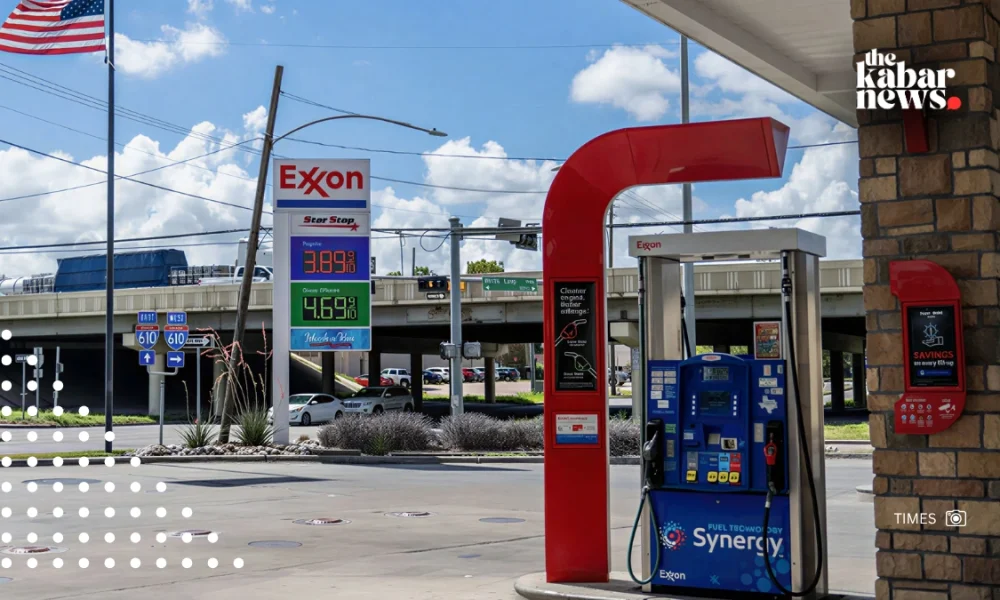
Thekabarnews.com—Uncertainty in global energy markets continues as peace talks involving the U.S., Israel, and Iran remain stalled. This is driving U.S. gasoline prices to a four-year high.
The national average price for a gallon of regular gasoline was $4.23 as of April 29, up from Thursday’s earlier average of $4.18. This is also the highest since 2022.
The last time the average US gas price was over $4.15 per gallon was in April 2022. At that time, oil prices spiked sharply after Russia invaded Ukraine.
Fuel prices are about $1 higher than they were at this time last year. And the national average in 2025 was nearer to $3.15 a gallon.
“The current rise is not only driven by the turmoil in the Middle East but also the deadlock in diplomatic efforts involving Iran and concerns over oil transport routes near the Strait of Hormuz,” said energy analyst Chris Midgley, as quoted in The Guardian.
Crude oil prices have climbed amid fears of supply disruptions due to ongoing geopolitical tensions. As a result, the situation adds to the pressure on fuel markets worldwide.
Prices vary widely from state to state depending on local supply conditions, refining capacity, and transportation expenses.
For oil-producing states such as Texas, the decline will be less. The national average will be around $3.72 a gallon. Meanwhile, states like California, which relies more on imported fuel and has more stringent environmental rules, are seeing much higher averages. These are close to $5.96 a gallon.
Consumers across the country are feeling the impact, especially as transportation costs affect household budgets, commuting expenses, and broader inflation concerns.
Meanwhile, big Western energy companies have been seeing a windfall from soaring oil prices
BP said this week that it more than doubled profits in the first quarter to $3.2bn (£2.4bn). This increase happened as higher oil prices drove revenues and improved market performances.
Western oil producers enjoy a short-term advantage over some Middle Eastern rivals. This advantage is because regional conflict has disrupted their operations and exports.
But economists say the risk is that fuel inflation could again become a pressure point for central banks and consumer spending. This may happen if oil prices continue to climb in the second half of the year.
Government officials closely watch events, and pricing of energy is a controversial issue. This scenario is especially true in times of high inflation and economic uncertainty.
For many Americans, the higher prices at the gas pump are the clearest reminder that geopolitical conflict overseas can quickly translate into financial pressure at home.
With diplomatic talks still stalled and consumers and businesses watching closely developments around the globe, fuel markets are likely to remain volatile.






No Comment! Be the first one.