



UAE leaves OPEC and OPEC+ amid Iran war, shaking global oil markets
DUBAI, Thekabarnews.com—The United Arab Emirates (UAE) has officially announced its withdrawal from OPEC and OPEC+. This move weakens the global oil producers’ alliance and its de facto leader, Saudi...

DUBAI, Thekabarnews.com—The United Arab Emirates (UAE) has officially announced its withdrawal from OPEC and OPEC+. This move weakens the global oil producers’ alliance and its de facto leader, Saudi Arabia. Meanwhile, the ongoing Iran war continues to trigger a global energy crisis.
The decision announced Tuesday, which takes effect May 1, ends nearly 60 years of UAE membership in OPEC. As a result, the UAE’s exit as one of the group’s top oil producers weakens OPEC’s influence over the global supply of the commodity. Moreover, it raises new concerns about market stability.
UAE Energy Minister Suhail Mohamed al-Mazrouei said the decision comes after a thorough review of the UAE’s existing and future energy plans.
“This is a policy decision after looking carefully at our levels of production and future policies,” Mazrouei told Reuters, adding the UAE did not coordinate the decision with any other country.
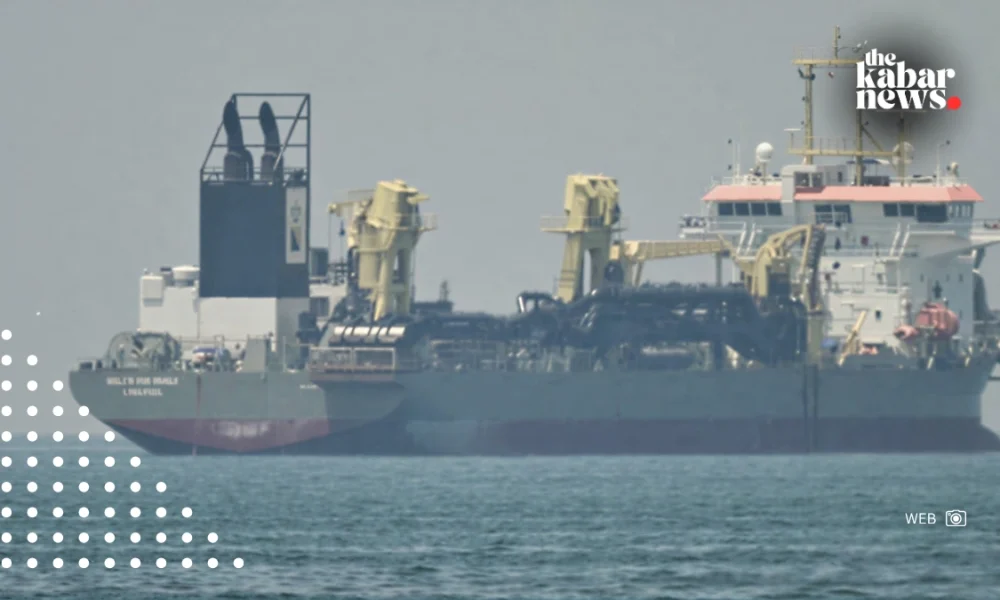
The announcement comes amid severe disruption to the Strait of Hormuz, one of the world’s most important oil shipping lanes. Inside OPEC, Gulf producers have already struggled to export crude due to instability linked to the Iran conflict.
Once trade routes normalize, the UAE’s exit could free Abu Dhabi to ramp up output without worrying about OPEC quotas. The country has heavily invested in expanding its output and is reportedly pursuing greater independence in its energy policy.
The move also highlights rising tensions between the UAE and Saudi Arabia, particularly over production quotas and regional political influence. Reports suggest Abu Dhabi is frustrated with OPEC’s constraints and diverging strategic priorities within the Gulf.
Regional politics have also increased the stakes. The UAE is a major business hub in the Middle East and one of Washington’s closest Arab allies. Additionally, it has reportedly blasted other Arab countries for not doing enough amid a spate of Iranian attacks during the war.
OPEC was founded in 1960 and remains one of the most influential organizations in the world energy markets. It accounts for more than one-third of the world’s oil supply. Later, OPEC+ expanded the alliance to include major non-OPEC producers, such as Russia. This move aimed to bolster coordinated supply management.
OPEC+ would be “losing a top producer and a long-time member,” potentially undermining its ability to manage supply and keep prices stable, energy experts say.
Traders focused more on supply disruptions from the Strait of Hormuz crisis than on the UAE’s potential output increase. As a result, oil prices increased by nearly 3 percent, and Brent crude climbed above $111 per barrel.
But OPEC+ delegates say the rest of the alliance is likely to hold together for now. However, doubts are growing over the group’s long-term influence.
The UAE’s move is a big change for oil politics. It is also a new chapter in the balance of power across the Middle East energy landscape for global markets.



No Comment! Be the first one.