



Study finds paper cups shed 25,000 microplastics
Thekabarnews.com – Disposable paper cups used for takeaway coffee and tea may release thousands of microplastic particles when exposed to hot beverages. This is according to laboratory research...

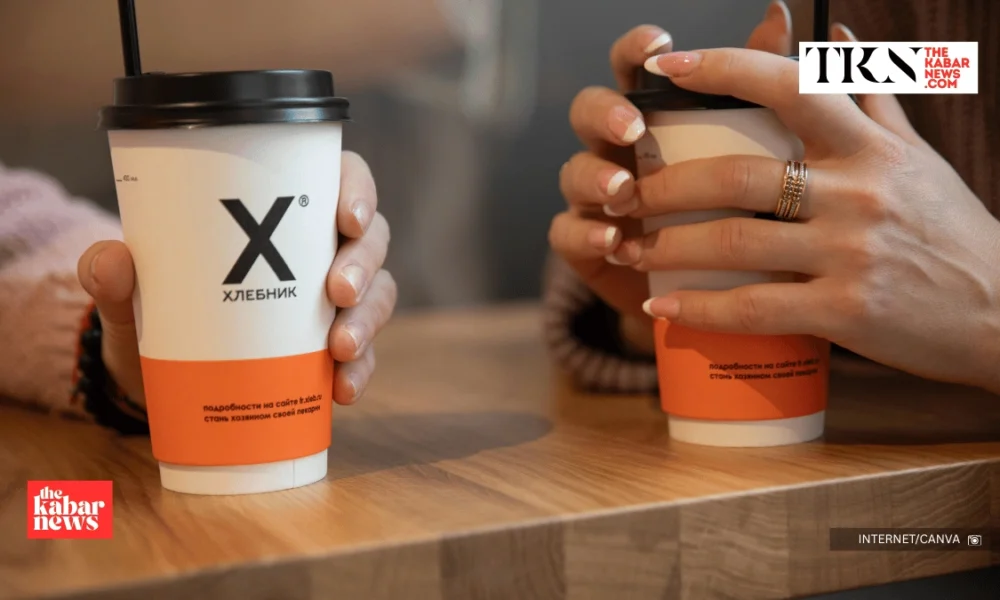
Thekabarnews.com – Disposable paper cups used for takeaway coffee and tea may release thousands of microplastic particles when exposed to hot beverages. This is according to laboratory research that has renewed questions about plastic-lined food packaging.
Although commonly described as paper, most disposable cups contain a thin, water-resistant plastic lining—typically polyethylene or another polymer. This lining prevents liquid from soaking through the paper.
Researchers at the Indian Institute of Technology Kharagpur conducted a peer-reviewed study to examine how paper cups react when filled with water heated to between 85 and 90 degrees Celsius. This is a temperature comparable to freshly served coffee or tea.
After 15 minutes, researchers detected approximately 25,000 microplastic particles measuring between 10 and 1,000 micrometers in 100 milliliters of water.
Electron microscopy also indicated the presence of far greater numbers of sub-micron particles. This was according to the study published in the Journal of Hazardous Materials in 2021.
Researcher Sudha Goel explained the findings in an IIT Kharagpur statement published by India’s Press Information Bureau.
“According to our study, 25,000 micron-sized (10 µm to 1000 µm) microplastic particles are released into 100 ml of hot liquid (85–90°C) residing in the paper cups for 15 mins,” Goel said.
The researchers studied five types of commercially available paper cups. Manufacturers lined four of the cups with high-density polyethylene, while they used a film containing a higher proportion of cellulose in the fifth cup.
As the internal lining deteriorated, the tests detected ions including fluoride, chloride, sulfate and nitrate. Researchers also identified trace elements such as lead, chromium and cadmium.
Detecting a substance does not automatically mean that exposure reached a level capable of causing illness.
The findings demonstrate particle migration under the study’s laboratory conditions. They do not establish that drinking from paper cups causes disease.
The US Food and Drug Administration says researchers have found microplastics and nanoplastics in human blood, urine, stool and organs. Current evidence does not demonstrate that the levels detected in food pose a confirmed risk to human health.
The FDA also highlights major research limitations, including inconsistent definitions, sampling procedures and testing methods. The World Health Organization has similarly called for better-quality research into dietary and inhalation exposure.
People who want to take a precautionary approach can carry reusable ceramic, glass or food-grade stainless-steel cups. This is particularly useful when buying hot drinks.
Allowing a beverage to cool before prolonged contact with plastic may also reduce heat-related material deterioration. The IIT study did not directly compare hot and cold drinks.
The research does not prove that an occasional takeaway coffee is dangerous. It does show that a “paper” cup is often a paper-plastic composite. Its lining can also release particles when holding very hot liquid.





No Comment! Be the first one.