



Strengthening economy and society through the tourism sector
Thekabarnews.com—The world of tourism is writing a new chapter as it approaches 2025. Surveys and expert opinions predict that tourist interest in cultural immersion or profound cultural experiences...

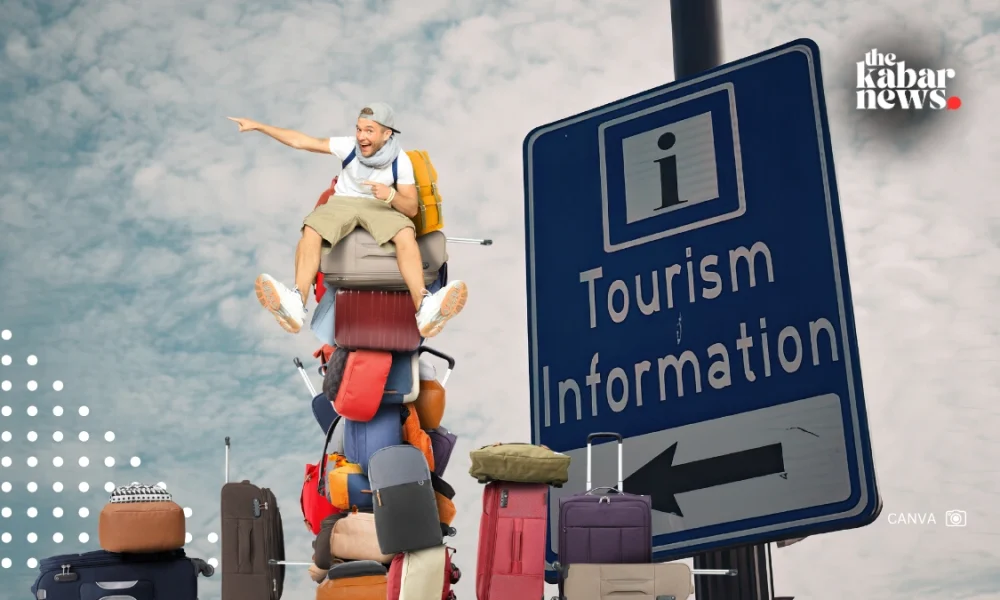
Thekabarnews.com—The world of tourism is writing a new chapter as it approaches 2025. Surveys and expert opinions predict that tourist interest in cultural immersion or profound cultural experiences will increase by 58.97 percent. The advent of this trend this year is a reflection of tourists’ desire to have deeper and more authentic experiences of local culture when they travel.
Indonesia is a country that has enormous tourist potential and is already known throughout the globe, notably because of its rich and diversified natural landscapes. In Indonesia you may discover practically everything: magnificent beaches, mountains, lakes, and abundant biodiversity. Furthermore, Indonesia also offers an abundance of culture, which includes unique traditions, arts, and culinary delights.
Local wisdom and the ingenuity of its people also increasingly contribute to making the tourist potential in Indonesia greater and more diverse. However, Indonesia has not yet completely realized its substantial potential for tourism. This is despite the population’s exceptional and tremendous natural resources, culture, and creativity.
Weakness in Indonesia’s Tourism Competitiveness
A very competitive tourist destination (TD) does not develop in a day. To realize it, you need a suitable atmosphere (well-planned). In addition, policies in the field of tourism play a highly decisive role in achieving success. According to observers Goelder and Ritchie, they also presented similar arguments that the policies of the central government and regional governments (Pemda) have a significant influence on a tourist destination (DP) in maintaining its competitiveness at the international level. The private sector also plays an important role in achieving optimal profits in its business activities.
Some difficulties or problems arise from the weak competitiveness of Indonesian tourism in the following areas:
- Accessibility pertains to the ease of obtaining and utilizing various resources, including facilities, infrastructure, amenities, or access to information.
- Infrastructure includes the actual facilities, systems, and hardware required to support operations and services.
- “Tourist facilities” means the facilities provided to support the comfort, safety, and convenience of tourists when they visit a tourist location. These facilities may include lodgings, food and drink establishments, parking spaces, and others.
- Attraction management is an effort to govern and arrange tourism attractions such as tourist objects and resources. The management aims to achieve the desired goals, including preserving tourist items and enhancing the quality of tourist services.
- Sufficient Human Resources.
Furthermore, there are challenges such as the absence of quality human resources. Other challenges include insufficient publicity, poor infrastructure, lack of investment, neglect of environmental elements, and insufficient attention to religious tourist attractions.
Accommodations, hotels, and hospitality services that are conveniently available to travelers are very vital in supporting the tourism environment in Indonesia.
Hospitality is one of the most significant characteristics of tourism and becomes the main focus if we want to expand tourism’s potential in Indonesia. The hospitality sector is a key component of the tourism industry. It aids in local and national economic development by offering housing to travelers and giving employment.
The government continues to bolster the tourism sector as one of the cornerstones of inclusive and sustainable economic growth at the national level. Through this industry, Indonesia is not only encouraging job creation and poverty reduction. It is also strengthening societal resilience despite global dynamics.
In particular, the government, through the relevant ministry, is actively promoting improvements in quality and standards in the hospitality sector. This work is done, including through CHSE certification, which certifies tourism businesses, tourism destinations, and tourism products. CHSE is an acronym for Cleanliness, Health, Safety, and Environmental Sustainability. This certificate ensures the firm has implemented healthy and ecologically friendly processes and introduced sustainable tourism criteria.
Tourism Development Model in Indonesia
In considering tourism as a value-added contributor to the economy, one thing that needs to be appreciated is that there should be no misunderstanding in the assumption that tourism is somehow a secondary development industry. This mistake still commonly happens in the thinking of many bureaucrats and other connected parties.
The author suspects this mindset stems from bureaucratic habits and Indonesian society, which values things only if they have the most prominent or visible role.
In a football game, only the striker receives recognition for greatness, making it challenging to foster cooperation in Indonesia. But as we understand, a striker cannot win a match alone without 10 other players. The bureaucracy and other stakeholders in the tourism sector must recognize their crucial role in development operations, even if they are not directly involved.
The concept of collaboration is that all the parties involved have a significant role in reaching a goal. Therefore, the bureaucracy and the other stakeholders in the tourism sector no longer need to feel that they are second-class citizens.
Written by Oktavio Nugrayasa, Middle Expert Analyst of Tourism at the Assistant Deputy of Energy, Mineral Resources, and Tourism.
……….
Do you have an opinion on the issues that are happening right now? If you would like to submit your article by email to thekabarnews@gmail.com

No Comment! Be the first one.