



Soedarso ED faces overcrowding as daily visits reach 100
PONTIANAK, The Kabar News—The emergency department (ED) at West Kalimantan’s main referral hospital is operating beyond capacity, with RSUD Dr. Soedarso in Pontianak receiving up to four times as...

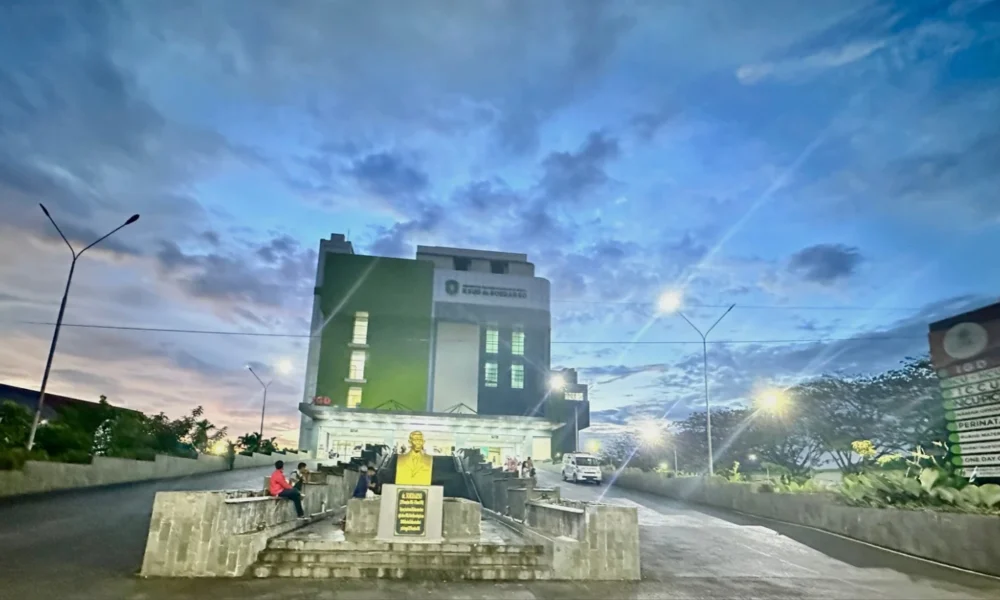
PONTIANAK, The Kabar News—The emergency department (ED) at West Kalimantan’s main referral hospital is operating beyond capacity, with RSUD Dr. Soedarso in Pontianak receiving up to four times as many patients each day as its available emergency beds.
Hospital director Hary Agung Tjahyadi said the department had approximately 25 beds. However, it handled an average of 80 to 100 patient arrivals every day. The imbalance has crowded the department and prolonged waiting times beyond the hospital’s emergency-service targets.
“In terms of capacity, the emergency department at Soedarso has around 25 beds. However, an average of 80 to 100 patients enter through the emergency department each day,” Hary said.
“So the occupancy level is extremely high, or overcapacity, causing waiting times to exceed the targets established for emergency services,” he added.
Read also: Viral Kubu Raya hospital dispute ends in mediation
The hospital is considering an increase in inpatient capacity to ease the congestion. Additional beds could allow medical staff to transfer admitted patients out of the emergency department sooner. This would free space for new arrivals who require urgent treatment.
Hary said overcrowding did not result solely from limited bed capacity. He estimated that almost half of the patients arriving at Soedarso could still receive appropriate treatment at hospitals with lower referral capacity. For example, this includes type-C hospitals in West Kalimantan.
“At present, severity levels two and three are competing with level-one cases, which our network hospitals should be able to handle,” he said. “We need to improve referral management.”
Indonesia has begun shifting from a referral model based primarily on hospital class. The new system directs patients according to medical need and the treatment capabilities of each facility.
Read also: Using your phone before bed can have a big effect on your brain
Health Ministry Regulation No. 16/2024 provides the framework for this competency-based referral system, according to a Health Ministry policy document.
The policy means referral decisions should consider whether a hospital has the staff, equipment and clinical services required for a particular condition. In addition, effective coordination could reduce unnecessary patient concentration at provincial referral centers. This can happen without delaying treatment for complex cases.
Hary encouraged residents with non-critical conditions to seek care at the nearest capable facility.
“The public also needs to know that illnesses that can still be treated at type-C hospitals should be handled at the closest appropriate facility,” he said.
However, patients experiencing a genuine medical emergency should immediately seek help from the nearest emergency facility. Referral rules should not delay urgent care.
Read also: Hary Tanoe files police report against Jusuf Hamka
The pressure reflects a broader rise in demand for services at RSUD Soedarso. Hospital figures show that total visits increased from 222,689 in 2024 to 277,456 in 2025, an increase of about 24.6 percent. The 2025 total covered outpatient, inpatient and emergency services.
Emergency visits reached 32,046 during 2025, while patients came from across West Kalimantan’s districts and cities. The provincial administration also publishes Soedarso emergency-visit datasets through its West Kalimantan One Data portal.
RSUD Soedarso can relieve short-term pressure through adding beds. However, hospitals need to improve coordination to see sustainable improvements. Clearer referral pathways may help RSUD Soedarso to focus on severe and complex cases. Meanwhile, the network hospitals can treat the patients within their capabilities.






No Comment! Be the first one.