



The sleep tracking boom raises questions about health benefits and hidden risks
Thekabarnews.com—Recently, sleep-tracking technology has become increasingly popular as consumers look for better ways to monitor their health. Consumers also want to improve the quality of their...

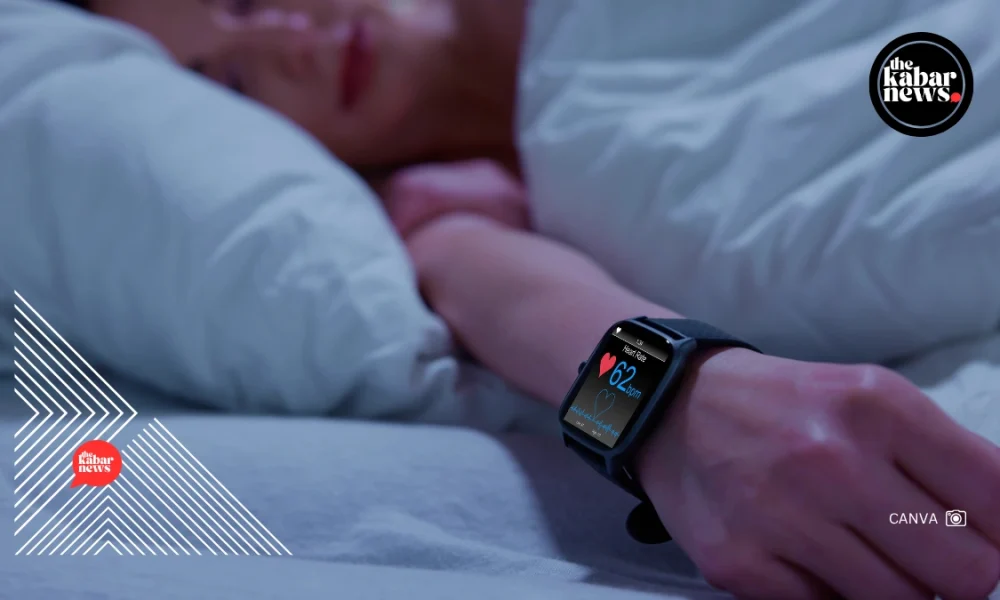
Thekabarnews.com—Recently, sleep-tracking technology has become increasingly popular as consumers look for better ways to monitor their health. Consumers also want to improve the quality of their sleep and reduce the risk of chronic sleep deprivation.
Recent estimates suggest that up to half of all Americans are monitoring their sleep with the help of smartwatches, smart rings, smartphone apps or other wearables. Meanwhile, nearly 40 percent of people in the United Kingdom use these devices as well.
This suggests that we are increasingly recognizing sleep as a crucial component of our overall health and well-being. Medical scientists have long cautioned that lack of sleep can lead to a host of cognitive and physical health problems.
Poor sleep patterns have been repeatedly linked to increased risk of cardiovascular disease, obesity, diabetes, depression, dementia and impaired immunologic function. Researchers say this, as cited in The Economist.
The technology has allowed millions of consumers to access digital solutions that provide accurate data on sleep duration and sleep quality. Moreover, these solutions give information about heart rate variability, movement during sleep and recovery patterns during sleep.
Sleep-tracking devices help people identify harmful habits and change their routines. Furthermore, this trend makes these devices even more appealing. The scientific community has recently been stressing the importance of a healthy sleep routine.
One study speculated that people who habitually sleep between 6.4 and 7.8 hours a night appear to age more slowly physiologically in both brain and body. Conversely, those who sleep more or less regularly may age faster.
Sleep is important for memory consolidation, cellular repair, metabolic balance and brain function. The findings have motivated many to leverage technology to improve their sleep hygiene and reach their prescribed sleep goals.
But scientists say sleep monitoring technology is often flawed.
Consumer devices offer useful estimates. However, most do not have the same accuracy in sleep measurement as professional sleep laboratory equipment.
This can create situations in which customers misinterpret the data or overemphasize numerical ratings and performance measures.
Researchers are increasingly worried about a phenomenon called orthosomnia, where people become obsessed with getting perfect numbers on their sleep.
It might even increase their worries about sleep, rather than decrease them. Additionally, it can also make it harder to fall or stay asleep.
Others say that trying to optimize sleep stats can actually be counterproductive to the goal the user is trying to achieve.
Wearables have become more popular in recent years and sleep specialists are starting to talk about how data can be a helpful guide. However, using it in a way that causes tension is different.
There are also privacy concerns with the sensitive health data collected and stored by wearable devices and smartphone apps.
But with more customers seeking preventative health care and personalized wellness solutions, the need for sleep tracking technology is increasing.
So tech companies are responding with more sophisticated devices that can track more health parameters like stress levels. They can also track blood oxygen saturation and recovery data.
The arrival of sleep tracking is part of a larger trend of using data to manage health. Technology can help. But good sleep is all about sustainable habits like sticking to a regular bedtime, limiting screen time before bed, exercising regularly and managing stress well.
With wearables getting smarter, the challenge for consumers may not be how to collect more data. Instead, it may be about how to best use that data.






No Comment! Be the first one.