



Singapore bans sale and advertising of plasma fire stoves over safety risks
Thekabarnews.com—Singapore authorities have officially banned the sale and advertisement of plasma fire stoves, also known as electric fire stoves, in the country due to serious safety concerns. The...

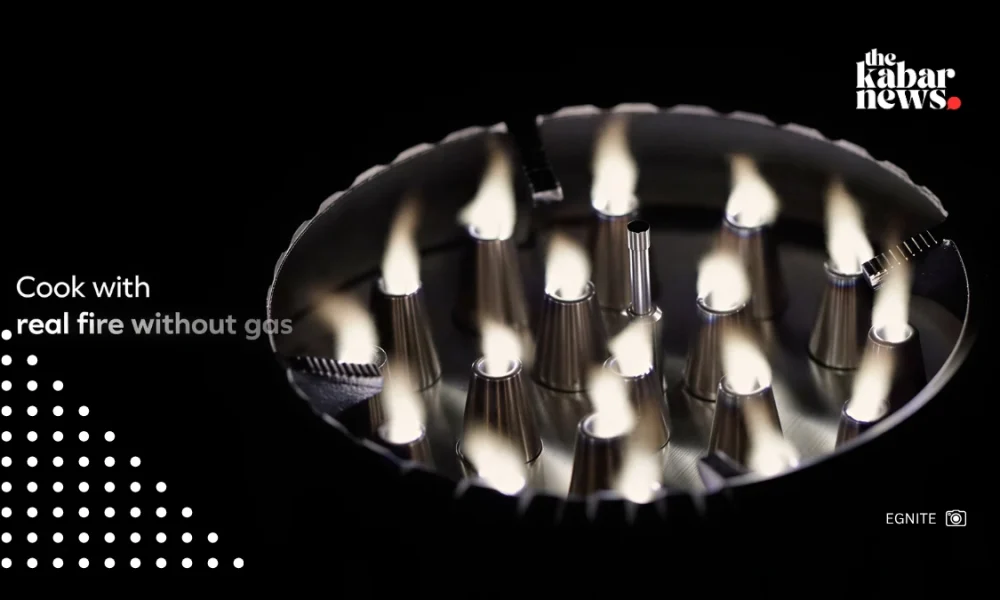
Thekabarnews.com—Singapore authorities have officially banned the sale and advertisement of plasma fire stoves, also known as electric fire stoves, in the country due to serious safety concerns.
The product was said to present serious risks of fire, explosion, and electric shock because it operates at a very high voltage to produce a plasma flame effect.
Regular induction stoves can only reach temperatures of 60 to 600 degrees Celsius. Meanwhile, plasma-fire stoves supposedly can produce heat up to 1,300 degrees Celsius.
Officials say the extreme temperatures and high-voltage system pose safety risks. Current international safety standards do not fully mitigate these risks.
The Competition and Consumer Commission of Singapore (CCCS) said the product does not qualify for the mandatory Safety Mark certification required for household electrical appliances sold in Singapore.
Singapore prohibits suppliers without the Safety Mark from selling, distributing, or advertising the product locally.
Authorities said consumers who have already purchased the product can continue using it at their own risk.
The government issued the warning because it believes current consumer protection standards do not fully cover the technology. It could put families at serious risk.
A local vendor, Egnite, said it withdrew the product from sale on 22 April. It also submitted technical documentation for certification review.
The company said it was working with regulators. They want to determine whether the product could eventually meet Singapore’s safety standards.
While people like to see new kitchen gadgets, high-performance appliances that use extreme heat and electrical systems should have a much more rigorous regulatory review.
The case highlights the difficulty of balancing new technology with public safety. This is especially true when marketers promote products based on sensational performance claims, not long-term testing standards.
The use of appliances that generate excessive temperatures can increase the risk of domestic accidents. This happens when installation standards, voltage control, and insulation systems are not fully certified.
This event reminds consumers that they should never sacrifice safety verification for technological innovation.
Even products that seem sophisticated or ultra-efficient have to go through national safety standards. They must do so before they can be marketed to the public.
So Singapore’s decision to demand high safety standards from even the most cutting-edge kitchen technology—standards designed to protect consumers—makes a statement.
With the rise of smart appliances and high-performance devices, regulators will likely strengthen oversight to protect consumer safety.





No Comment! Be the first one.