



Political analyst questions diplomatic protocol during Prabowo’s overseas visits
Thekabarnews.com—Professor Ikrar Nusa Bhakti, a political analyst and former Indonesian ambassador to Tunisia, has questioned the diplomatic arrangements during several of President Prabowo...

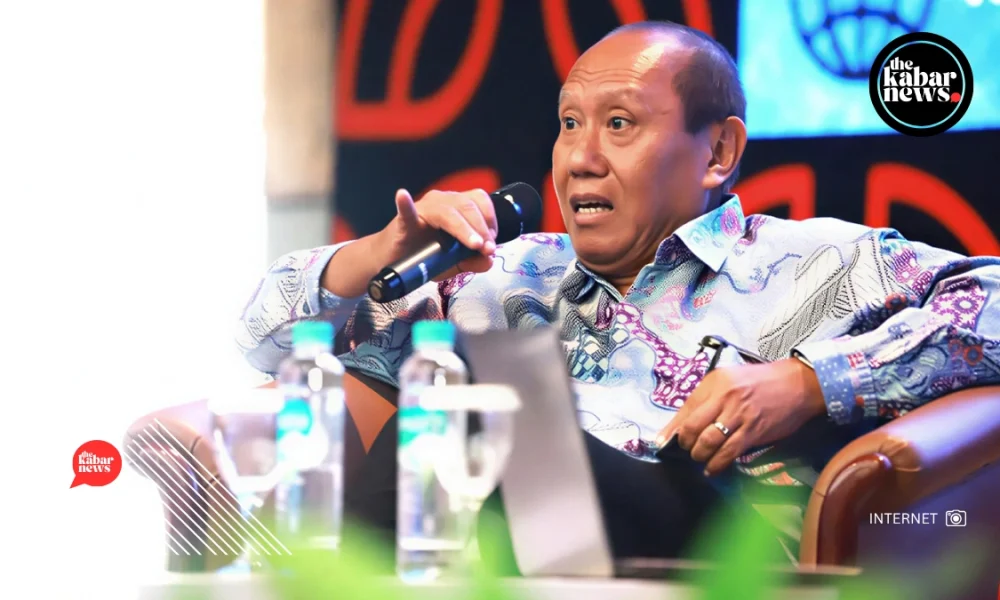
Thekabarnews.com—Professor Ikrar Nusa Bhakti, a political analyst and former Indonesian ambassador to Tunisia, has questioned the diplomatic arrangements during several of President Prabowo Subianto’s recent overseas visits.
He said that some high-level official meetings did not include Indonesian ambassadors stationed in host countries.
Ikrar said he learned of the information from other members of Indonesia’s diplomatic corps. He was speaking on a YouTube program hosted by Bambang Widjojanto on Tuesday, as cited in Suaracom.
He provided an example of President Prabowo’s recent visit to Japan.
“The organizers did not invite our ambassador in Tokyo, Kartini Sjahrir, to the meetings with Japanese leaders,” Ikrar said in the interview.
The comments have sparked a debate on diplomatic protocol and the role of Indonesian ambassadors on official state visits.
Ikrar also asked about the makeup of the presidential delegation in several bilateral meetings.
“People from the president’s inner circle, including Teddy Indra Wijaya and Prabowo’s son, Didit Hediprasetyo, attended the meetings instead of Indonesia’s ambassador,” he said.
The comments were a personal assessment by Ikrar of diplomatic procedures and have not been independently verified by the government.
So far, neither the Presidential Palace nor Indonesia’s Ministry of Foreign Affairs has publicly responded to the claims.
Ambassadors have functions that go way beyond ceremonial duties, said Ikrar.
Ambassadors represent the Indonesian state in their host countries and follow up on agreements reached during meetings between presidents, ministers, and other senior officials.
“You must understand that an ambassador is not simply an envoy of the country. The follow-up of the results of meetings between presidents or ministers is the ambassador’s job,” Ikrar said.
“If you exclude ambassadors from substantive discussions, it may be harder to implement bilateral agreements after the high-level visits have concluded,” he warned.
Diplomats who see the negotiations firsthand have a better sense of the policy goals and promises. Therefore, they can better coordinate with both governments during implementation, Ikrar said.
Foreign policy watchers widely regard ambassadors as crucial players in ensuring diplomatic continuity after state visits.
Ambassadors represent national interests, coordinate government-to-government communication, foster cooperation between the two countries, and oversee the implementation of agreements made by political leaders.
The composition of official presidential delegations varies depending on the goals of each visit and security and logistical needs.
Ambassadors do attend bilateral meetings often. Nevertheless, governments can choose delegation members based on each diplomatic meeting’s agenda.
The conversation triggered by Ikrar’s comments highlights broader issues of diplomatic coordination and institutional representation at high-level international visits.
Whether the worries will lead to an official clarification remains to be seen.
The comments have also renewed public attention to the importance of diplomatic institutions. Furthermore, they have highlighted the role of ambassadors in turning high-level political agreements into long-term cooperation between Indonesia and its international partners.



No Comment! Be the first one.