



PLN reports Rp7.26 trillion profit despite rising liquidity pressure in 2025
JAKARTA, Thekabarnews.com—State-owned power company PT PLN (Persero) booked a net profit of Rp7.26 trillion in 2025. However, the firm continued to face liquidity issues with increasing government...

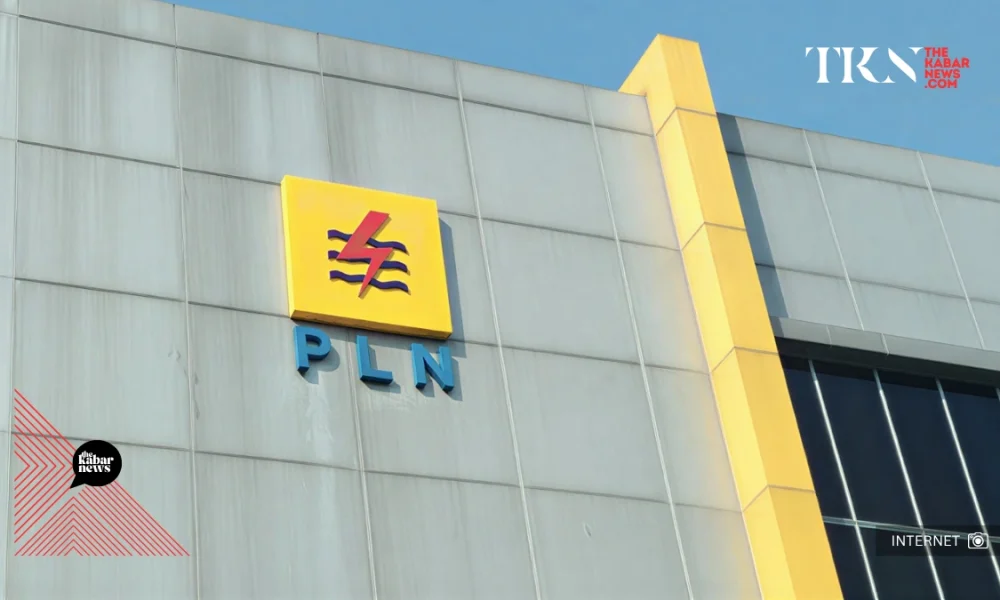
JAKARTA, Thekabarnews.com—State-owned power company PT PLN (Persero) booked a net profit of Rp7.26 trillion in 2025. However, the firm continued to face liquidity issues with increasing government receivables impacting its cash flow, and working capital position.
According to the company’s financial data, PLN booked trade payables of Rp70.94 trillion to energy suppliers, merchants, and electricity providers during the year.
The commitments reflect the company’s need for funds in its operations as it continues to distribute electricity across the country.
PLN still made a profit. However, its liquidity position decreased as the company’s outstanding receivables from the government soared to Rp110.74 trillion. This amount exceeded the company’s entire trade payables.
The receivables include Rp84.86 trillion in government compensation claims, Rp12.26 trillion in electricity subsidy receivables, and Rp13.60 trillion connected to the government’s electricity discount program.
The big receivable balance means PLN has booked the revenue in its financial accounts. However, the firm has not yet received the cash payments from the government.
The issue has put strain on PLN’s cash position throughout the year.
The company’s cash and cash equivalents plummeted to Rp42.20 trillion. At the same time, operating cash flow fell sharply to Rp9.91 trillion, reflecting tighter liquidity despite good earnings.
To support its funding needs, PLN also increased its short-term bank borrowings to Rp58.29 trillion. Moreover, the company also used the supplier financing facility of over Rp9.27 trillion to finance operational activities and address short-term cash needs.
Meanwhile, PLN struggled with increased operating expenses. The cost of fuel procurement and power purchases is projected to reach Rp393.82 trillion in 2025. Higher energy procurement costs and sustained nationwide electricity demand drove the increase.
Economic observers pointed out that profitability does not necessarily mean high liquidity.
According to INDEF GTI, a large part of PLN’s claimed revenue has been booked within accounting standards. However, it has yet to be converted to cash since it is still recorded as receivables from the government.
As a result, the company has increasingly relied on external borrowing. This helps close the gap between accounting income and actual cash flows.
The usual distinction made by financial professionals in evaluating corporate performance is between profitability and cash flow.
Profit is what a firm makes according to accounting rules. Meanwhile, liquidity refers to how well a corporation can satisfy short-term financial obligations with the cash it has on hand.
PLN’s financial results are a positive example of how companies can be profitable. This can happen despite liquidity restrictions due to delayed payments from large counterparties.
As Indonesia continues investing in energy infrastructure and expanding electricity access, the government needs to settle compensation and subsidy payments on time to support PLN’s financial stability. This will help support PLN’s financial flexibility and operational sustainability.
The liquidity pressure, however, remains an important player in Indonesia’s energy sector. It balances the tension between the public service commitments and the financial burden of ensuring sustainable power generation, transmission, and distribution throughout the archipelago.






No Comment! Be the first one.