



New housing policy eases homeownership for workers earning up to Rp12 million
Thekabarnews.com—The Indonesian government has officially revised the eligibility criteria for Low-Income Communities (MBR) under its flagship 3 Million Homes Program. This opens up access to...

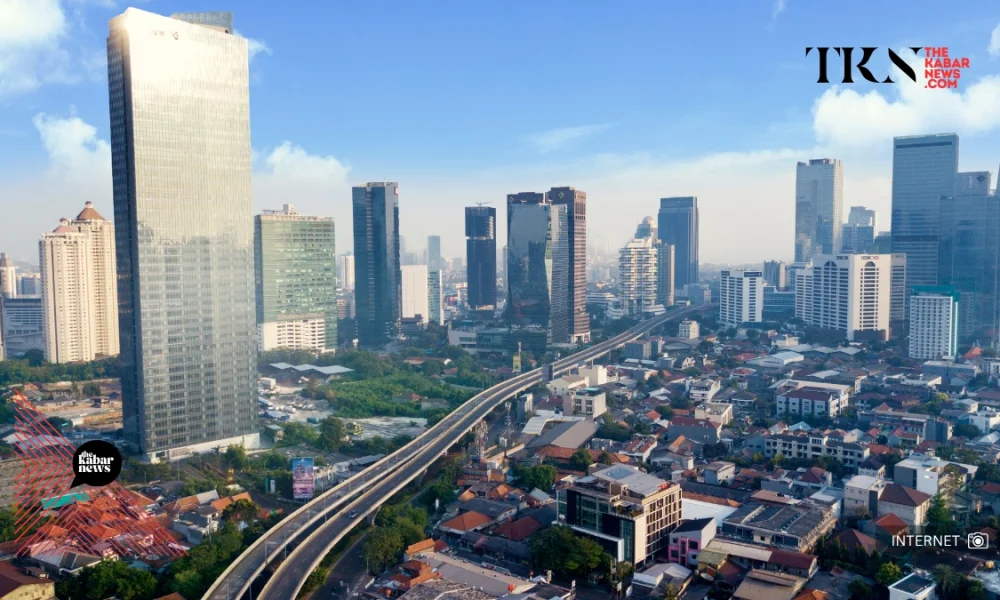
Thekabarnews.com—The Indonesian government has officially revised the eligibility criteria for Low-Income Communities (MBR) under its flagship 3 Million Homes Program. This opens up access to affordable housing for more working families. Property prices and the cost of living continue to rise.
The policy revision was jointly announced by the Home Affairs Ministry and the Housing and Settlements Ministry. It is part of the government’s effort to adapt housing assistance programs to changing economic conditions. These conditions have made it increasingly difficult to own a home, even for middle-income earners.
The new regulation enables workers who earn up to Rp12 million per month in Jakarta and Rp8.5 million per month outside the capital to become beneficiaries of the affordable housing program.
The government also eliminated the previous requirement that applicants’ national identity cards (KTP) must be in the same area as the house they want to buy.
Officials stated that the move aims to streamline administrative procedures. Moreover, it will facilitate the process for workers who live and work in different regions.
The new policy recognizes the widening gap between household incomes and housing prices in many parts of Indonesia. In particular, it applies especially in large urban areas where residential property prices have soared recently.
Buying a first home is becoming increasingly difficult for many salaried employees. Property prices, mortgage costs, and the cost of living are all on the rise.
The government wants to raise the income threshold to include workers who were previously considered financially independent. However, these workers still face significant barriers to homeownership.
The policy is expected to increase participation in the 3 Million Homes Program. In addition, it will support broader efforts to address the national housing backlog, according to officials.
Furthermore, the government expects the removal of domicile-based identification requirements to benefit workers who move for work or live outside the areas listed on their identity cards.
For years, the housing industry has argued that administrative restrictions put unnecessary barriers in the way of would-be homebuyers. This is particularly an issue in metropolitan areas with high labor mobility.
The revised criteria are an admission that traditional definitions of low-income households do not fully capture Indonesia’s current economic realities.
Rapid urbanization, inflation, and continued increases in land and housing prices have put considerable financial pressure on many households earning above previous eligibility limits. However, these households are still struggling to buy property.
The new framework aims to make housing assistance available to a wider range of workers. This targets workers whose incomes have not kept up with rising housing costs.
The policy is also part of the government’s broader strategy to make housing more affordable. It aims to stimulate residential construction, and support sustainable urban development.
“We hope that the broadening of the eligibility criteria will help improve access to decent housing while facilitating the long-term goal of raising the living standards of Indonesian families,” the officials said.
With the implementation phase now underway, stakeholders in housing and property will likely be closely watching how the adjustment of income thresholds and relaxation of administrative requirements impact homeownership rates. They will also monitor housing demand, and the overall success of the 3 Million Homes Program.
The recent reforms highlight the government’s recognition that the provision of affordable housing requires policy reforms that are in line with the changing economic realities. The reforms aim to address the financial difficulties many workers face in today’s economic environment.






No Comment! Be the first one.