



Israel rejects US-Iran agreement, says Trump-brokered deal is not binding
Thekabarnews.com—Israel has brushed off the legal and political significance of the new US-Iran deal. National Security Minister Itamar Ben-Gvir said the Israeli government would not recognize the...

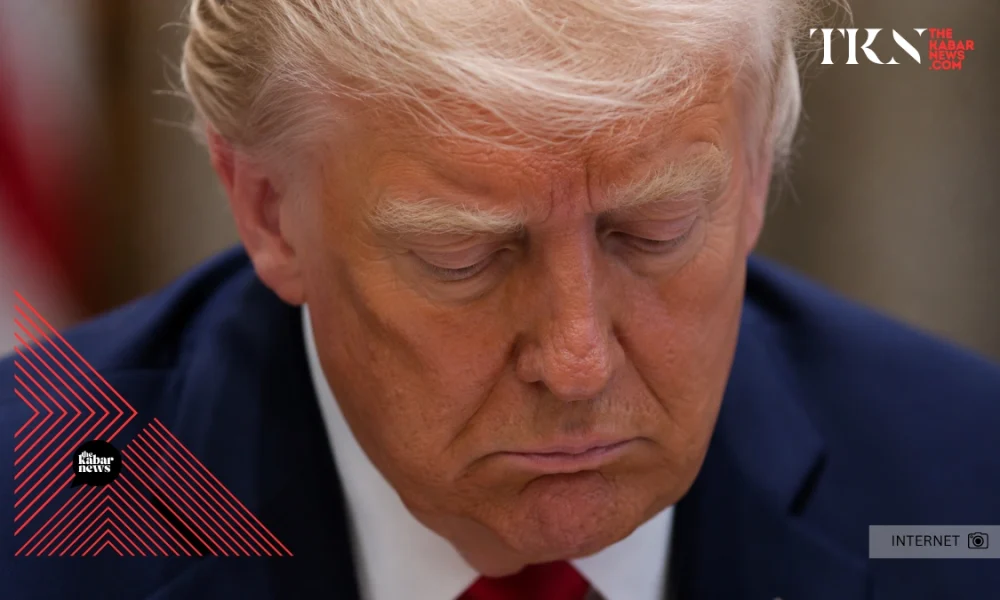
Thekabarnews.com—Israel has brushed off the legal and political significance of the new US-Iran deal. National Security Minister Itamar Ben-Gvir said the Israeli government would not recognize the agreement as binding.
The comments came just after Washington and Tehran announced a first framework agreement to ease tensions in the Middle East.
The proposed arrangement would again open the Strait of Hormuz and extend a fragile cease-fire after months of regional turmoil.
“Israel will continue to make decisions on its national security and its military actions independently, regardless of any diplomatic agreement achieved by other countries,” Ben-Gvir told reporters.
“There is no agreement between the United States and Iran that obligates the State of Israel,” Ben-Gvir added, emphasizing Israel’s long-standing position that the country is entitled to defend its national interests.
The US-Iran framework accord is one of the most crucial diplomatic steps in recent months.
Officials from both countries said the agreement aims to reduce regional tensions and restore maritime stability in the Persian Gulf. Moreover, the agreement aims to create conditions for broader talks on political and security issues.
At the heart of the accord is the reopening of the Strait of Hormuz. This is a critical global shipping lane that carries much of the world’s oil exports.
Both sides aim to preserve a ceasefire through the agreed arrangement, as they want to avoid any further military escalation.
But Israel has expressed reservations that the deal does not properly address wider regional security issues. In particular, they note concerns about the military activity of Iran and its support for allied armed groups throughout the Middle East.
Ben-Gvir’s comments highlight the divide between Israel and the U.S. on approaches to regional security and ties with Iran.
Washington remains committed to diplomacy with Tehran. However, Israeli officials have repeatedly said any deal must contain strong security guarantees and comprehensive mechanisms to prevent future threats.
The position of the Israeli government could complicate efforts by the international community. It may make it harder to galvanize broader regional support for the proposed deal.
Israel’s response shows the problems facing diplomats struggling to balance competing security goals while seeking to preserve the fragile ceasefire.
As negotiations continue, it’s unclear whether the United States and Iran can reach an agreement. Moreover, they are concerned whether other key actors such as Israel will contribute to the broader diplomatic process or pursue their own security strategies.






No Comment! Be the first one.