



Indonesia plans bank accounts for citizens at age 17
JAKARTA, thekabarnews.com—The Indonesian government is developing a nationwide system. This system would automatically provide citizens with a bank account when they turn 17 and receive their...

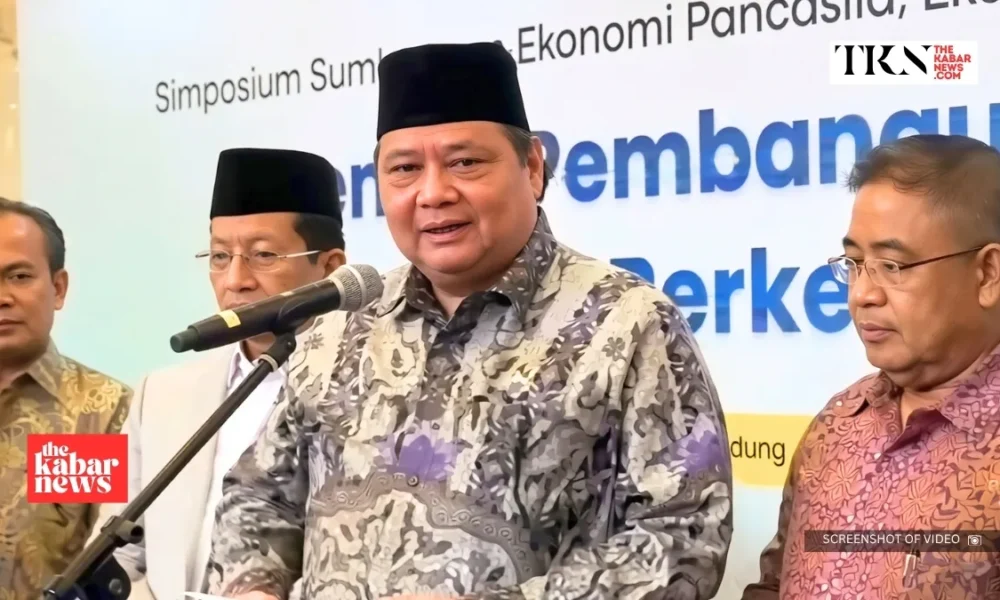
JAKARTA, thekabarnews.com—The Indonesian government is developing a nationwide system. This system would automatically provide citizens with a bank account when they turn 17 and receive their electronic identity card [KTP].
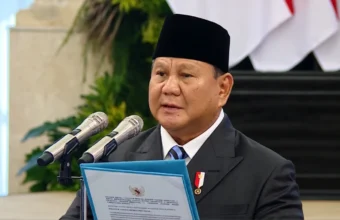
Coordinating Economic Minister Airlangga Hartarto said the proposal followed a directive from President Prabowo Subianto. The president wants to expand access to formal financial services.
The government plans to link each account to the citizen’s Population Identification Number (NIK). It will use data from the Home Ministry’s Population and Civil Registration Directorate General (Dukcapil).
“When they turn 17, they will automatically receive an ID card and a bank account,” Airlangga said at an Indonesian Association of Islamic Economists symposium in Jakarta on Tuesday, September 8.
Bank Rakyat Indonesia (BRI) would provide most of the accounts. Meanwhile, Bank Syariah Indonesia (BSI) would serve residents in Aceh, where regional regulations require financial institutions to follow Islamic banking principles.
The government is still drafting the technical mechanism with Bank Indonesia (BI) and the Financial Services Authority (OJK).
Airlangga later said citizens would not need to visit a bank branch to open the proposed account.
Authorities would use Dukcapil records to identify eligible residents. But the government has not published detailed rules on identity verification or data protection.
The proposal also includes an initial government-funded balance of Rp50,000 (about US$3) for each account. Airlangga estimated that providing the balance to approximately 200 million people would require around Rp11 trillion from the state budget.
Officials plan to introduce the program gradually and aim to begin implementation before the end of 2026.
The government expects the accounts to support digital payments through QRIS, Indonesia’s standardized quick-response payment system.
Ministries could also use them to transfer social assistance directly to eligible recipients.
“Funds from the Finance Ministry could go directly into each individual’s account,” Airlangga said.
BSI President Director Anggoro Eko Cahyo said the Islamic lender was ready to support the initiative through its branch and digital networks.
“We view President Prabowo’s mandate as an impetus to improve service quality and expand public access to safe, modern and inclusive financial services,” Anggoro said in a statement.
BSI operates 1,130 branches and approximately 134,000 banking agents across Indonesia. Customers can also open accounts digitally through its BYOND by BSI application. The bank reported 24.3 million customers as of September 2026.
“We believe that as more people own bank accounts, national financial inclusion will grow stronger,” Anggoro said.
“BSI is ready to serve all customer segments throughout the country.”
Indonesia’s 2026 National Survey on Financial Literacy and Inclusion placed the financial inclusion index at 93.61 percent. However, financial literacy remained lower at 69.57 percent.
Among people aged 15 to 17, the literacy rate stood at 56.04 percent. This highlights the need to combine account access with financial education, as reported by the OJK and BPS survey.
The proposal remains under development rather than in force. Its impact will depend on the final regulations. It also depends on safeguards for personal data and measures ensuring that newly opened accounts remain useful instead of becoming inactive.




No Comment! Be the first one.