



Finland offers free happiness experience as global interest in well-being grows
Thekabarnews.com—The 2018 World Happiness Report once again recognized Finland as the world’s happiest country. This marked the ninth consecutive year of this achievement. The Nordic country...

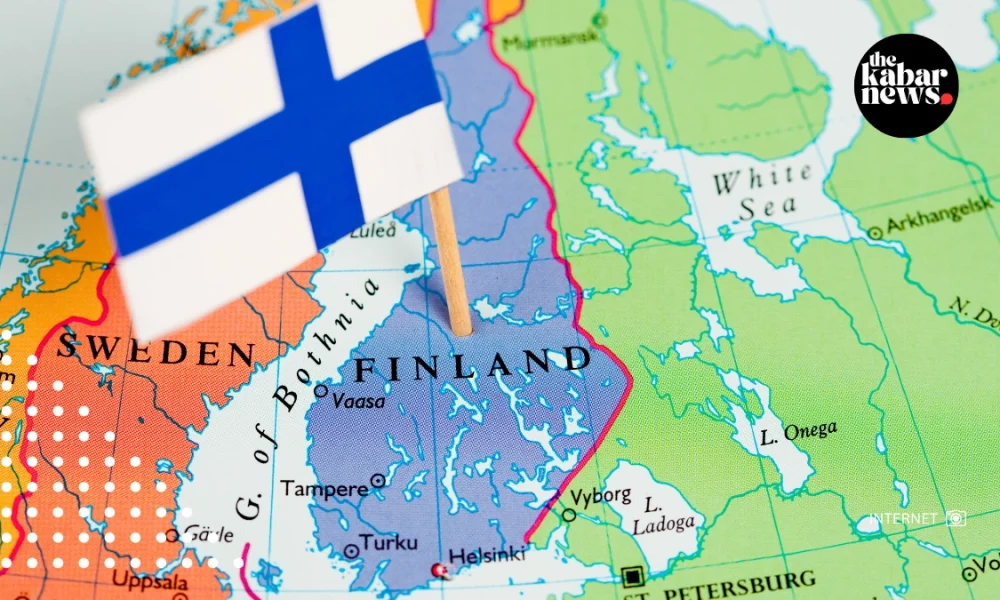
Thekabarnews.com—The 2018 World Happiness Report once again recognized Finland as the world’s happiest country. This marked the ninth consecutive year of this achievement.
The Nordic country has initiated a program that permits a select group of international travelers to visit Finland. Travelers can experience what many have described as the foundation of Finnish well-being.
The program aims to give participants a taste of the daily rituals and lifestyles. Research says these practices keep the country consistently ranking high on those lists of happiest countries.
Many of the current success stories are productivity, making money, and moving forward in your job. For Finland, happiness is something else. “It’s about balance and community and nature and quality of life.”
Participants are encouraged to do things that are typically Finnish. For example, going to the sauna, swimming in the natural lakes, wandering in the forest, and digital detoxing.
This study contributes to the larger conversation about what society believes about success and personal happiness.
Finland has been named the happiest country in the world for the eighth year in a row. However, it’s not all about economic wealth.
Finland is still a high-income country. Academics often cite other factors such as social trust and strong public institutions. Moreover, access to healthcare, quality of education, work-life balance, and low levels of corruption contribute to the overall happiness of the population.
The rating has ignited a new debate about the link between wealth and happiness.
Economic stability is important for individual well-being. Research has shown moderate debt, access to savings, and financial security can have a significant impact on quality of life. These factors also help reduce stress.
But Finland’s success shows that income isn’t everything when it comes to happiness.
Instead, the country has built social mechanisms that buffer the baseline stress. Thus, people there have a greater sense of security and regularity.
That gap is especially stark compared with larger economies. The US remains the world’s largest economy. Nevertheless it ranks 23rd in the 2017 World Happiness Report with a score of 6.81 out of 10.
Economic disparity, financial stress, social isolation, and mental health difficulties continue to impact the general well-being of many industrialized countries.
The Finnish experience offers important lessons for policymakers and social researchers. It shows the need to combine economic growth with wider measures of societal well-being.
Governments around the world are investigating how to improve the quality of life for their people. The Finnish model has shown the potential benefits of investing in social trust, public services, community involvement, and healthy lifestyles.
The country’s continued success suggests that happiness is not just a matter of economic metrics. Instead, it usually comes from having social ties, financial security, personal independence, and being able to enjoy life in the day-to-day routine.
The world’s focus on well-being makes Finland’s message resonate more than ever. The pleasure isn’t about working harder or earning more. Rather, it’s about building a society where people can live with less stress and more harmony.






No Comment! Be the first one.