



Fear of diagnosis keeps many people from routine check-ups
Thekabarnews.com—Public awareness regarding routine health examinations or medical check-ups is still low. Many people still think that they have to visit doctors or medical professionals only when...

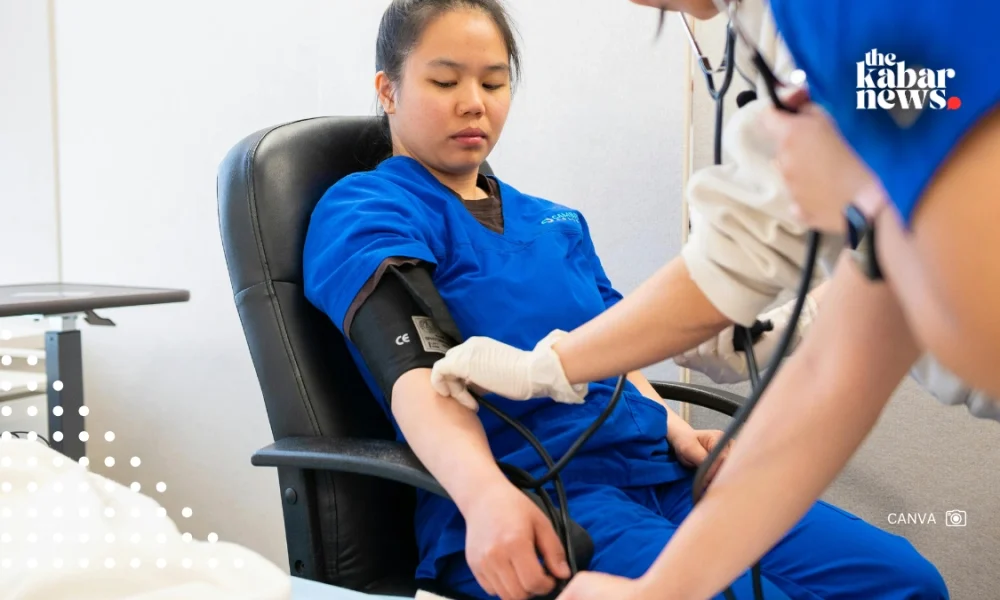
Thekabarnews.com—Public awareness regarding routine health examinations or medical check-ups is still low. Many people still think that they have to visit doctors or medical professionals only when they already feel sick.
This mentality continues to delay the early diagnosis of serious diseases and increases the risk of late medical treatment. This behavior is especially dangerous in the case of conditions that develop silently, such as diabetes, hypertension, and heart disease.
The way people perceive risk and the urgency with which they feel they need regular health maintenance heavily influence this reluctance. Health psychology explains this phenomenon.
“Health behavior theory explains this phenomenon because people often base their decisions on personal perception rather than objective medical risk,” said clinical psychologist Risma Amelia Widyawati.
Many people think they are healthy simply because they have no visible symptoms. Therefore, they fail to notice the small warning signs from the body.
Instead, they delay routine checkups that could help diagnose disease earlier.
“Denial is also a big psychological factor,” said Risma.
Many people avoid check-ups unconsciously because they are afraid of the possibility of a serious diagnosis.
Deny is a way of protecting oneself from anxiety. In most cases, delaying medical examination leads to greater health hazards in the future. Social stigma is also part of the problem.
In many communities, people still view medical checks as unnecessary, expensive, or a waste of time. This is especially true when there are no visible symptoms.
Such a perception does not motivate the use of preventive health practices. It also strengthens the notion of treatment initiation only when the disease is advanced.
Risma warns that if this trend continues, society may develop a false sense of security. People may think that everything is fine until serious illness has progressed to an advanced stage.
By then treatment is usually harder and pricier and less effective. Doctors say it’s a lot cheaper and easier to take preventive care than to treat advanced disease in an emergency.
Routine screenings also contribute to long-term quality of life improvement. They do this by enabling patients to take proactive measures before their health conditions reach a critical stage.
It takes more than just feeding medical information to change this behavior.
Education should include emotional understanding and social support. This ensures that medical check-ups are not perceived as a threat but as a normal part of responsible living.
Family support, workplace health programs, and public campaigns can all help make preventive care the norm.
Society needs to slowly change mindsets from health care as a reaction to illness to a lifelong habit of protection.
Regular checkups are not signs of weakness or fear. These are signs of awareness, responsibility and self care in the long run.






No Comment! Be the first one.