



China expands zero-tariff policy to 53 African countries, boosting trade opportunities
Thekabarnews.com—China has extended its zero-tariff policy to 53 African countries. This move is expected to create significant opportunities for export growth, industrialization, and enhanced...

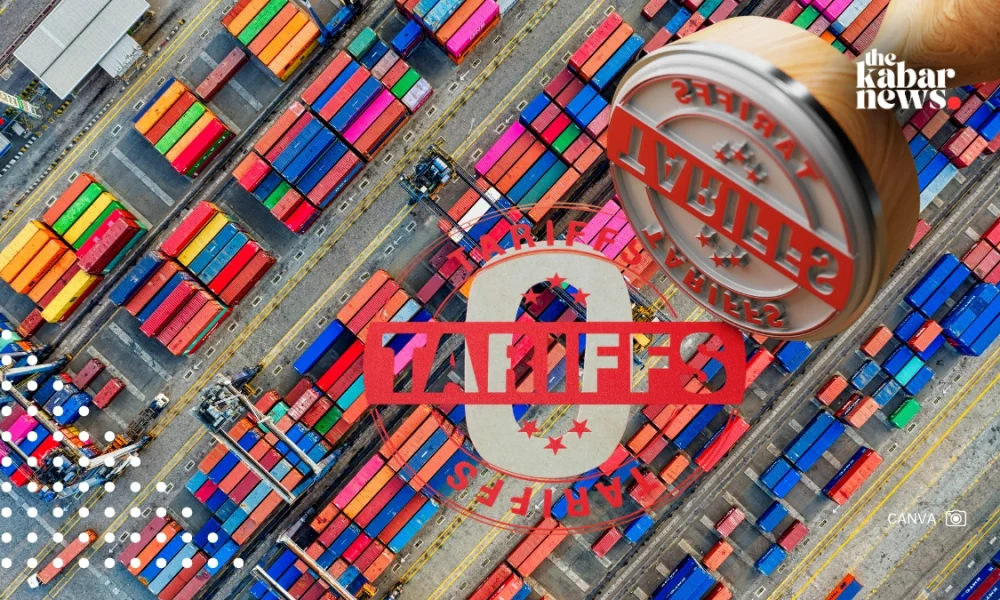
Thekabarnews.com—China has extended its zero-tariff policy to 53 African countries. This move is expected to create significant opportunities for export growth, industrialization, and enhanced economic cooperation across the continent.
Chinese officials say the policy will ease market access for African goods and support wider efforts to strengthen China-Africa trade ties. This comes in an era of growing global economic uncertainty.
China’s Ministry of Commerce said the new policy will give African products greater competitive advantages in entering the Chinese market.
The zero-tariff arrangement is expected to benefit products such as cocoa, coffee, avocados, citrus fruits, grapes, and apples.
The ministry provided an example of apple exports from Africa that arrive at the ports of Shenzhen. In this context, exporters can now receive full tariff exemptions.
“Zero tariffs will provide a better competitive edge for products from the region such as cocoa, coffee, and avocado, as well as citrus fruits and grapes,” the ministry said, according to Xinhua News Agency.
Since December 2024, China has eliminated tariffs on 100 percent of product categories from 33 African least developed countries.
The latest extension now includes more developing economies such as Kenya, Egypt, and Nigeria.
Under the new arrangement, about 20 African countries categorized as non-least developed will receive preferential zero-tariff treatment for two years. Meanwhile, both sides are striving to sign longer-term trade agreements under the larger China-Africa economic cooperation.
Chinese authorities say the policy will increase exports and attract more investment flows to Africa.
“The program could help facilitate technology transfer, development of industrial equipment, and management expertise to African countries that can process raw materials locally, rather than depending heavily on exports of unprocessed commodities,” officials say.
“This policy will help to increase investment and bring technology and expertise to process African products at home,” the ministry added.
The broader objective is to build more balanced trade relations between China and Africa. Additionally, the goal is to foster sustainable long-term growth for both sides.
Mahmoud Ali Youssouf, chairperson of the African Union Commission, welcomed the policy and praised Beijing’s decision.
“This is a very timely step for us in the midst of global pressures such as protectionism and isolationism,” he said.
“All parties of the African continent very much appreciate this friendly move, and we thank you for your efforts,” he added.
China continues to be Africa’s largest trading partner.
Official figures indicate that trade between China and Africa hit a record US$348 billion in 2025. Imports from Africa to China increased to US$123 billion, up 5.4 percent year on year.
The zero-tariff expansion also fits with China’s broader economic openness strategy under its 15th Five-Year Plan for 2026–2030. This plan aims to improve the quality of global trade and international investment.





No Comment! Be the first one.