



West Kalimantan kratom exports rise as buyers seek a traceable supply
In West Kalimantan, Indonesia, the managed kratom trade is spearheading the development of supply networks in Kapuas Hulu. Provincial officials reported that exporters shipped 805,652 tonnes in 2024....

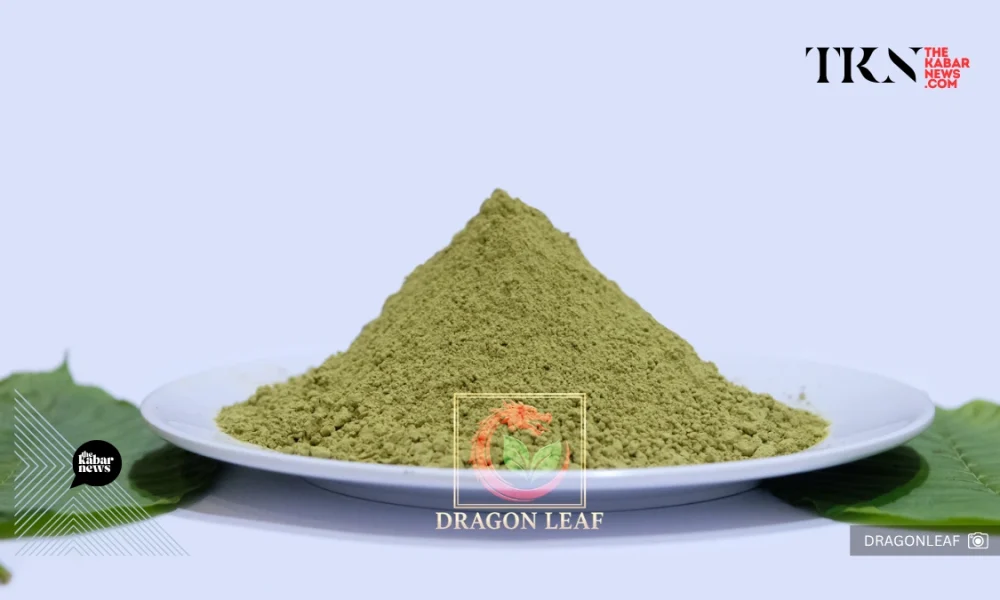
In West Kalimantan, Indonesia, the managed kratom trade is spearheading the development of supply networks in Kapuas Hulu. Provincial officials reported that exporters shipped 805,652 tonnes in 2024. By September 2025, exporters had shipped 1,219,574 tonnes. The trend is that there is a growing supply capacity for consumers abroad. This also suggests a need for traceability and compliance.
PONTIANAK, Thekabarnews.com—West Kalimantan is playing a more essential role in Indonesia’s kratom export sector due to the production networks in Kapuas Hulu and a national regulation governing the overseas commerce of kratom.
Smallholders extensively cultivate Kratom (Mitragyna speciosa) in the inland districts of West Kalimantan. In Kapuas Hulu, it is locally called “purik” and has become an important source of rural income.
The amount of kratom exports in 2024 has reached 805,652 tons, quoted from the Best Trust application by the West Kalimantan Food Crops and Horticulture Agency. By September 2025 the recorded tonnage was 1,219,574 tons.
The results suggest that kratom export in West Kalimantan increased substantially shortly after the government announced the kratom trading framework. However, the two periods are not directly comparable. The 2024 figure is for the full year. The 2025 figure is for nine months.
But it is not just accessible volume that counts for overseas buyers, especially in the US and India. Buyers want appropriate documentation to prove the provenance of goods. They require exporter status, laboratory testing, and the ability to meet the standards of the destination country.
The Indonesian government has issued regulations to offer legal certainty for kratom exports, and to boost value-added processing. The policy has evolved from handling raw leaves to dealing with controlled, produced products that can meet export requirements.
Officials in West Kalimantan also urged for more export handling and also requested improvements in local export handling. The objective is to bring processing, certification, logistics and other economic benefits closer to the farming communities that supply the commodity.
But quantity does not mean quality in a supply chain. Kratom is a restricted botanical substance with varied legal classifications in different markets.
Even if the consignment complies with the export requirements in Indonesia, importing nations may restrict it or subject it to further checks.
The increase in West Kalimantan’s kratom exports is an opportunity but also a challenge for ethical trade. The best suppliers for purchasers will be those who can demonstrate consistent quality, transparent sourcing and comprehensive compliance records.






No Comment! Be the first one.