



DJP uses household electricity consumption data to strengthen tax compliance monitoring
JAKARTA, Thekabarnews.com—Indonesia’s Taxation Directorate General (DJP) is taking another step in the country’s ongoing tax administration reform. It is applying a broader data-driven approach...

JAKARTA, Thekabarnews.com—Indonesia’s Taxation Directorate General (DJP) is taking another step in the country’s ongoing tax administration reform. It is applying a broader data-driven approach through its Coretax system to assess the reasonableness of taxpayer reports.
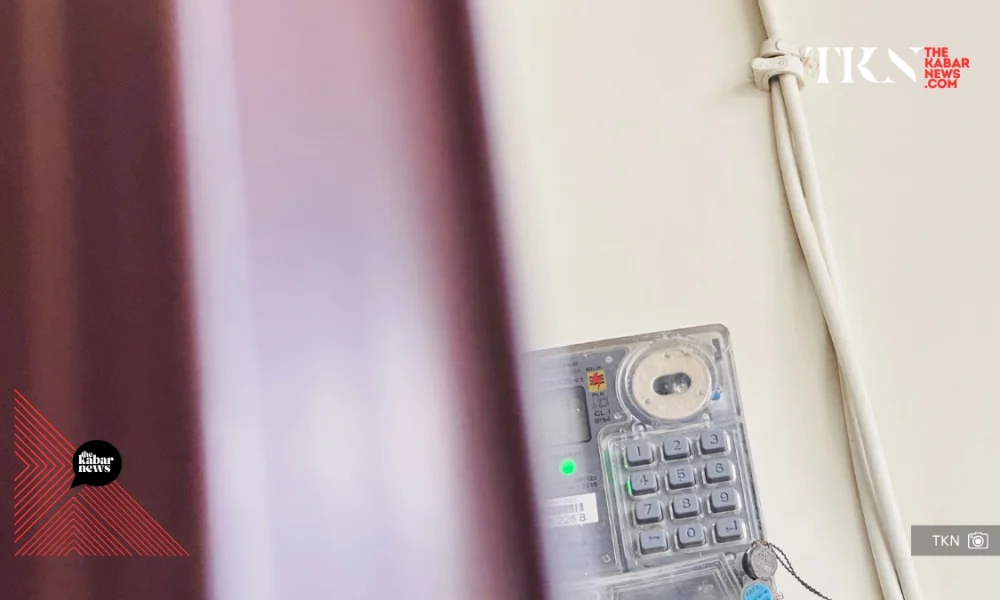
The system enables tax authorities to examine various indicators reflecting an individual’s economic profile, such as household electricity consumption. This helps in determining whether reported income and tax payments are consistent with observed economic activity.
Tax Director General Bimo Wijayantoo said the Coretax platform allows the tax authority to compare taxpayers’ declarations with data collected from various sources. As a result, the compliance analysis becomes more comprehensive.
Bimo said the tax authority could use electricity consumption as one of several indicators to assess whether a taxpayer’s reported financial profile matches their lifestyle. Meanwhile, it also reflects economic capacity.
For instance, if a household consumes electricity through a high-capacity connection, that is, a household that consumes around 10,000 watts of electricity, it may signal a relatively high level of economic activity.
If the taxpayer’s declared tax payments seem extremely low, the tax authorities may review this difference as one of the points of concern.
Officials stressed that they use electricity consumption data as a benchmarking tool and not the only indicator of tax compliance.
The Coretax system is part of Indonesia’s broader tax modernization program. This program began in 2018 and will be fully operational in 2025.
The government established the platform to improve administrative efficiency, enhance data integration, and increase compliance monitoring capabilities. According to the DJP, Coretax has several important functions.
The platform brings together several tax services in a single digital ecosystem that improves the efficiency of processing taxpayer data. Additionally, it uses artificial intelligence (AI), and big data analytics to facilitate compliance assessments and risk management.
One of the most important features of Coretax is the ability to connect to different external databases.
Currently, the system collects information from various government and institutional platforms, including the Online Single Submission (OSS) system, Financial Services Authority (OJK), Peruri, General Law Administration (AHU), and Population and Civil Registration Directorate General (Dukcapil).
Such integrations give tax authorities visibility of a broader picture of taxpayer activity and economic transactions across multiple sectors.
The enlarged data ecosystem is also likely to improve oversight of new economic activities. For example, it will help monitor transactions in Indonesia’s fast-growing digital economy.
Many countries have increasingly adopted data analytics and technology-driven compliance systems to improve tax administration. Furthermore, these systems help close the information gap between taxpayers and authorities.
By combining tax reports with data from many external sources, authorities can perform more precise risk assessments. In addition, this practice improves the efficiency of compliance monitoring.
Coretax implementation is part of Indonesia’s ongoing efforts to modernize its tax administration infrastructure. It is also designed to develop an integrated and technology-based compliance framework.
The system will continue to evolve, and taxpayer profiles will be increasingly assessed against a mix of tax filings, administrative records, and economic indicators.
This will allow authorities to build a more comprehensive picture of the economic activities of individuals and businesses. It goes beyond tax reports alone.




No Comment! Be the first one.