



EV tax shock: BYD Atto 1 owners could pay up to Rp5 million annually
Thekabarnews.com—Indonesia is considering a review of tax incentives for electric cars. This could mean higher annual car taxes for owners of electric vehicles like BYD’s Atto 1. Authorities predict...

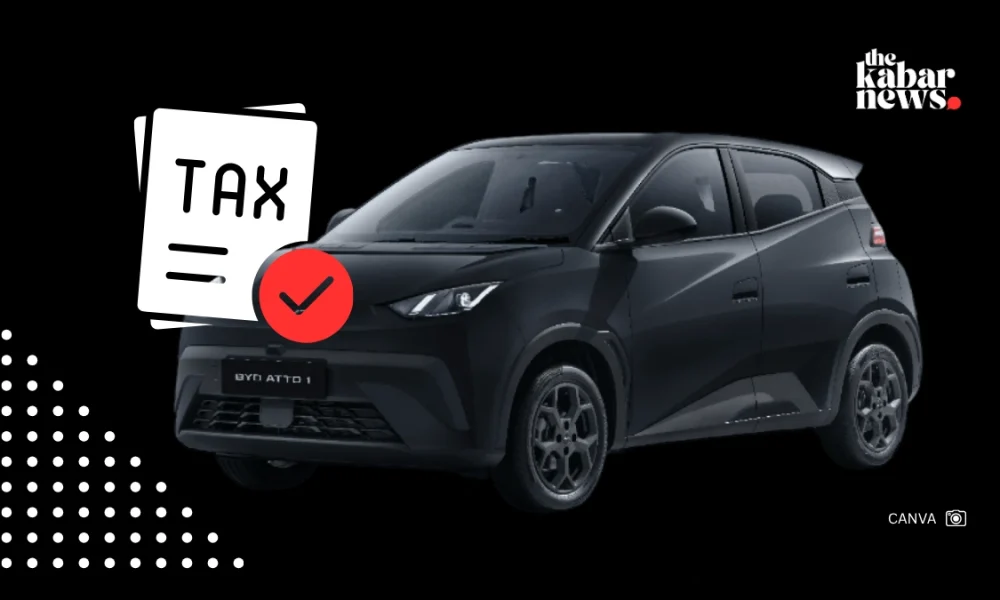
Thekabarnews.com—Indonesia is considering a review of tax incentives for electric cars. This could mean higher annual car taxes for owners of electric vehicles like BYD’s Atto 1.
Authorities predict that the BYD Atto 1 will incur an annual motor vehicle tax (PKB) of Rp4.9 million to Rp5.2 million starting in April 2026.
The estimate is a steep jump from previous years. Back then, tax incentives saw some electric vehicle owners pay as little as about Rp 200,000 ($13) a year.
The increase is expected in light of possible changes in tax policy. This could see PKB incentives for electric vehicles increase from zero percent.
The calculation is based on the estimated vehicle value (NJKB) of Rp229 million. The PKB rate is around 2 percent, and the weighting factor is 1.050.
The standard BYD Atto 1 will carry an annual tax of approximately Rp4.8 million. The government may impose an annual tax of about Rp5.06 million on the more expensive variants.
Vehicle owners must also pay a compulsory contribution of around Rp143,000 per year to the Road Traffic Accident Mandatory Fund Contribution (SWDKLLJ).
The government projects a total annual tax burden of around Rp4.95 million to Rp5.2 million. The move comes after the government reviewed electric vehicle incentives.
Recently, the government of Indonesia has provided tax incentives and other incentives to speed up the adoption of green vehicles. These measures are also meant to support the transition to cleaner energy.
Electric vehicles still maintain relatively competitive operating expenses compared to regular fuel-powered cars, even with increased taxes.
The estimated maintenance cost of the BYD Atto 1 is around Rp1 million/year. Meanwhile, the estimated electricity cost for daily use is around Rp4.4 million/year.
All of this suggests that electric vehicles remain an attractive proposition even with a higher tax. This is because of energy efficiency and lower maintenance needs over time.
But the policy change could mean a significant cut in incentives that might impact consumer sentiment and slow down EV adoption. Meanwhile, balancing fiscal and environmental goals will ensure the continued growth of the Indonesian electric vehicle market.
Indonesia’s energy transition strategy could influence both consumer behavior and the wider automotive industry. This is particularly true regarding the future of EV incentives.






No Comment! Be the first one.