



Australians shift to bicycles as rising costs make car ownership expensive
Thekabarnews.com—A growing number of Australians are turning to bicycles as their primary mode of transportation. Rising living costs and increasing expenses associated with car ownership drive this...

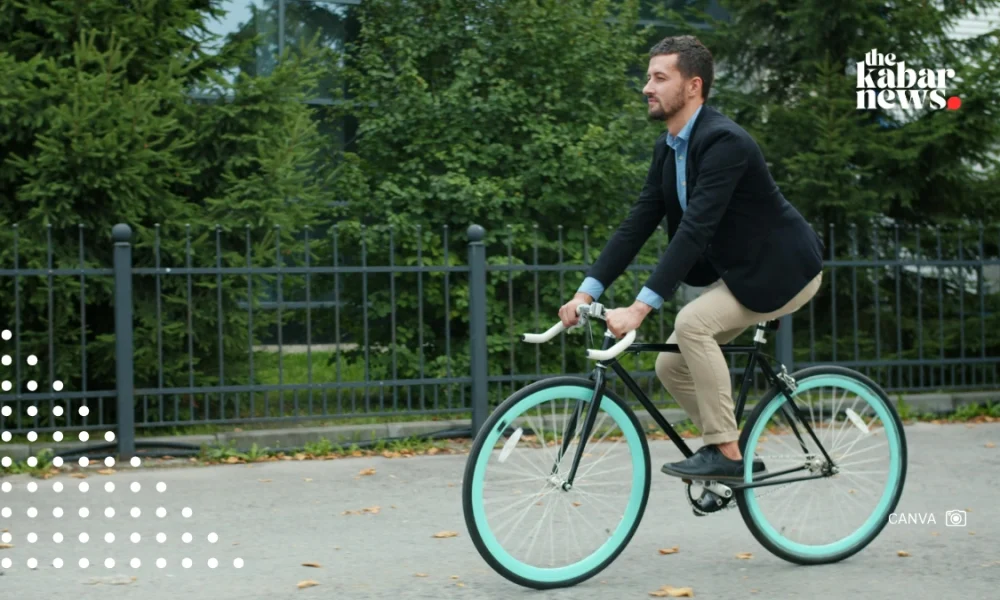
Thekabarnews.com—A growing number of Australians are turning to bicycles as their primary mode of transportation. Rising living costs and increasing expenses associated with car ownership drive this trend.
The Climate Council of Australia did a survey and found that 71 percent of Australians are investigating how to save money on transportation. This behavior is especially common since gas prices are going up.
Families are having a harder time with money now that they are moving away from cars. According to the survey, a family with two kids spends about AUD 459 a week on things like paying off loans, buying gas, and keeping the car running.
In major cities, households allocate about 17 percent of their income to transportation, equivalent to roughly AUD 434.77 weekly. Meanwhile, families in rural areas spend about 15.4 percent of their income on transportation. This highlights the widespread burden across different regions.
You have to pay for things like insurance, maintenance, changing tires, and registering the car in addition to gas. Because prices are going up so much, many Australians are wondering if they really need to drive their cars.
Therefore, biking is now a cheaper and better option, especially for people who bike to work every day in cities. This trend is also beneficial for the environment as a whole. That is because biking cuts down on traffic jams and carbon emissions.
People’s behavior in the car market has also changed. The Federal Chamber of Automotive Industries (FCAI) says that new car sales have been going down for two months in a row. This is the biggest drop in two years.
The latest report says that last month, new car sales fell by 9.8 percent to 99,881 units. The drop shows that people’s priorities are changing because the economy is unstable. As a result, the downturn is causing families to change how they spend their money.
While cycling offers cost savings, the transition may also require improvements in infrastructure. These include dedicated bike lanes and safety measures to support the growing number of riders.
The trend shows that economic pressures may affect people’s daily lives. It makes them choose ways to get around that are better for the environment and cost less.
As long as gas prices and the cost of living stay high, more people will start to ride bikes. Such a shift could change the way people get around in cities all over Australia.






No Comment! Be the first one.