



GBU-72 used in combat: US targets fortified sites near Strait of Hormuz
Thekabarnews.com—The United States has reportedly deployed its latest bunker-busting munition, the GBU-72 Advanced 5K Penetrator, in strikes targeting fortified Iranian military sites. The deployment...

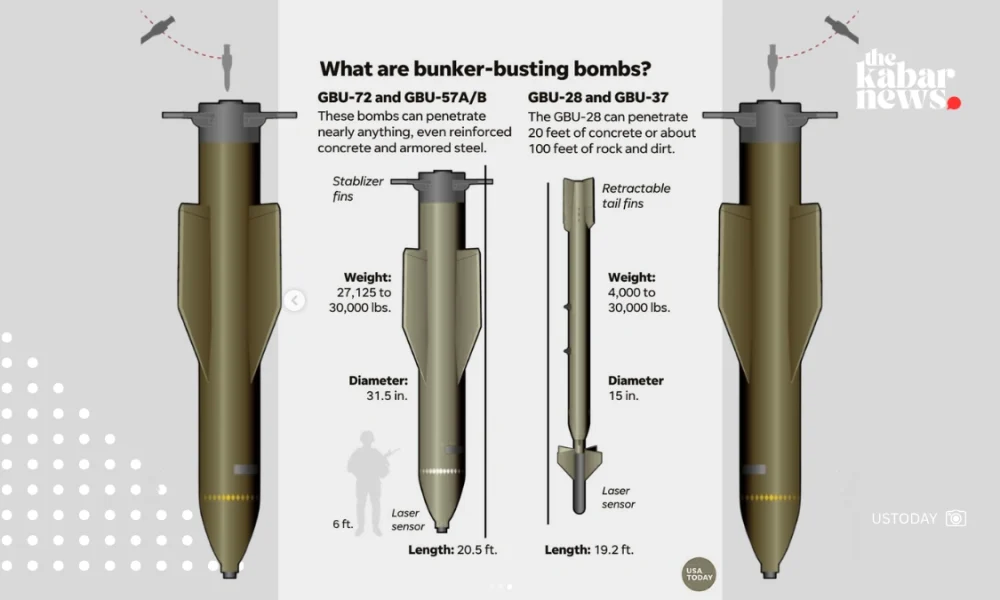
Thekabarnews.com—The United States has reportedly deployed its latest bunker-busting munition, the GBU-72 Advanced 5K Penetrator, in strikes targeting fortified Iranian military sites. The deployment marks the weapon’s first known use in combat.
Many sources say that US troops did the operation along Iran’s southern coast, near the Strait of Hormuz. This area is essential for shipping.
The US military did not say what kind of weapon they used. However, the United States Central Command said on March 17 that its troops had successfully employed multiple 5,000-pound deep penetrator munitions against missile infrastructure that was difficult to hit.
Later, retired Air Force Lt. Gen. Mark Weatherington told CNN that the weapons in question were likely the GBU-72. This munition is a new type of bunker buster that can strike deeply buried and heavily fortified targets.
The GBU-72 is a better version of older penetrator bombs. It can do more damage to underground structures like missile silos, command centers, and nuclear-related infrastructure. The weapon penetrates deep underground before exploding, minimizing damage above ground.
Reports indicate that the United States has used the GBU-72 amid rising tensions in the Middle East. This scenario is especially true around the Strait of Hormuz. This strait is an important global energy corridor that carries a lot of the world’s oil supply.
The use of more advanced weapons could mean that the conflict is getting worse. Such actions could make things less stable in the region and in the global energy markets.
The design of these weapons, which focuses on accuracy, is also part of a larger military plan to hit important infrastructure. At the same time, it aims to cause as little damage as possible. Such actions could potentially lead to significant strategic advantages in the ongoing conflict.
Iran has not officially responded to the reports in detail. Still, Tehran has said in the past that it is ready to protect important assets and respond to any outside aggression.
The use of advanced bunker-penetrating weapons shows how modern warfare is changing. For hitting difficult and underground targets, having better technology is essential. This allows for more effective strikes that can minimize collateral damage and increase the likelihood of mission success.
As the situation evolves, the world continues to focus on what these strikes could mean, particularly regarding escalation risks and their impact on overall stability in the Middle East. The analysis includes potential shifts in power dynamics among regional actors. Additionally, it includes the responses of international communities.





No Comment! Be the first one.