



Indonesia’s subsidized fertilizer uptake rises 20%
JAKARTA, The Kabar News—Indonesia distributed about 20 percent more subsidized fertilizer in the months after it lowered retail price caps, compared with the same period a year earlier. By Nov. 23,...
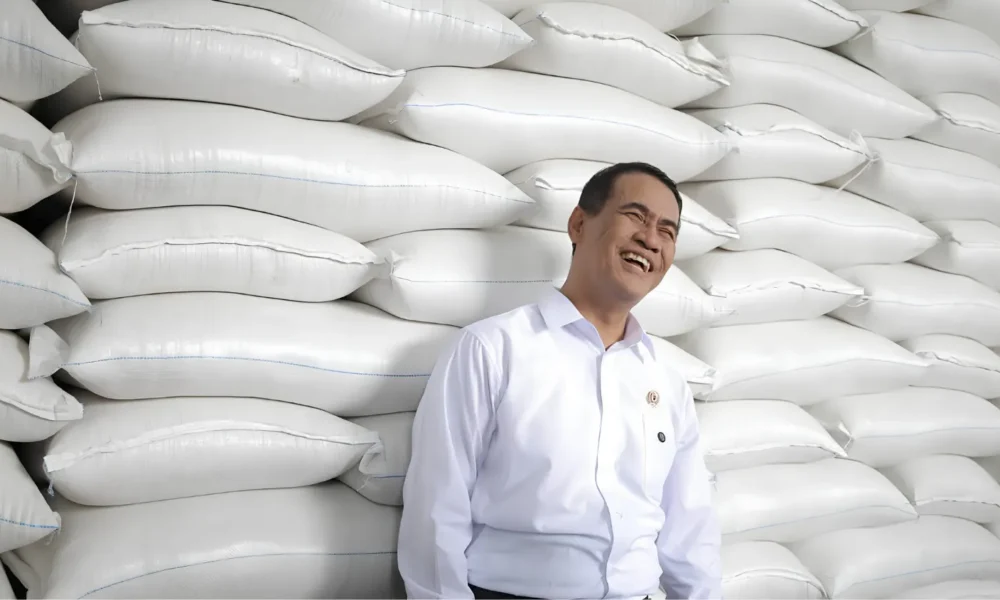
JAKARTA, The Kabar News—Indonesia distributed about 20 percent more subsidized fertilizer in the months after it lowered retail price caps, compared with the same period a year earlier. By Nov. 23, the country had distributed 7.65 million tonnes, or 80.10 percent of its 9.55 million-tonne allocation for 2026, Agriculture Minister Andi Amran Sulaiman said in Jakarta on Tuesday.
The government cut the maximum retail price of subsidized urea from Rp2,250 to Rp1,800 per kilogram on Oct. 22, 2025. It also lowered the cap on NPK fertilizer from Rp2,300 to Rp1,840 per kilogram. Both caps fell by 20 percent under a policy directed by President Prabowo Subianto. This was to ease farmers’ production costs and improve access to fertilizer.
“Cheaper fertilizer must go hand in hand with adequate supplies and distribution that reaches eligible farmers,” Amran said on Nov. 24, as quoted by Antara.
Read also: Fertilizer subsidy reaches 10.6 million producers
Data from the Agriculture Ministry and state-owned producer PT Pupuk Indonesia show that distribution rose about 20 percent between Oct. 22, 2025, and July 31, 2026, from the comparable period a year earlier.
The average number of farmers collecting subsidized fertilizer rose 7 percent. The ministry said lower prices were one factor, alongside distribution readiness and demand during the planting season.
For Asep Pullah, a farmer in Baleendah, West Java, the lower price freed up money for other supplies.
“We redirected money we had set aside for fertilizer to other farm inputs, such as pesticides and micronutrient fertilizers,” he said in a ministry release.
Read also: Pupuk Indonesia launches Rp77 trillion mega project to build seven fertilizer plants by 2029
The Nov. 23 tally was up from 7.49 million tonnes on Nov. 17, when the ministry reported that Indonesia had distributed 78.52 percent of its annual allocation. Even as national deliveries rose, the ministry identified areas where demand for certain types of fertilizer was increasing.
Andi Nur Alamsyah, the ministry’s director general for agricultural infrastructure and facilities, said officials review local stocks and how much fertilizer farmers have collected. Then, before shifting allocations between regions or fertilizer types, they assess these factors. The government also revised its distribution rules under Agriculture Minister Regulation No. 3/2026.
Read also: Indonesia targets fairer LPG prices through KDKMP
The national figures indicate that more fertilizer reached farmers. However, they do not establish whether the price cuts increased crop production. For farmers heading into planting season, the immediate test is whether they can get the fertilizer they need, at the official price, when they need it.
You Might Find This Interesting: Sponsored Content



No Comment! Be the first one.