



Indonesia targets fairer LPG prices through KDKMP
JAKARTA, The Kabar News—The Indonesian government plans to channel subsidized goods and public assistance through the Red and White Village/Subdistrict Cooperatives (KDKMP) network. The aim is to...
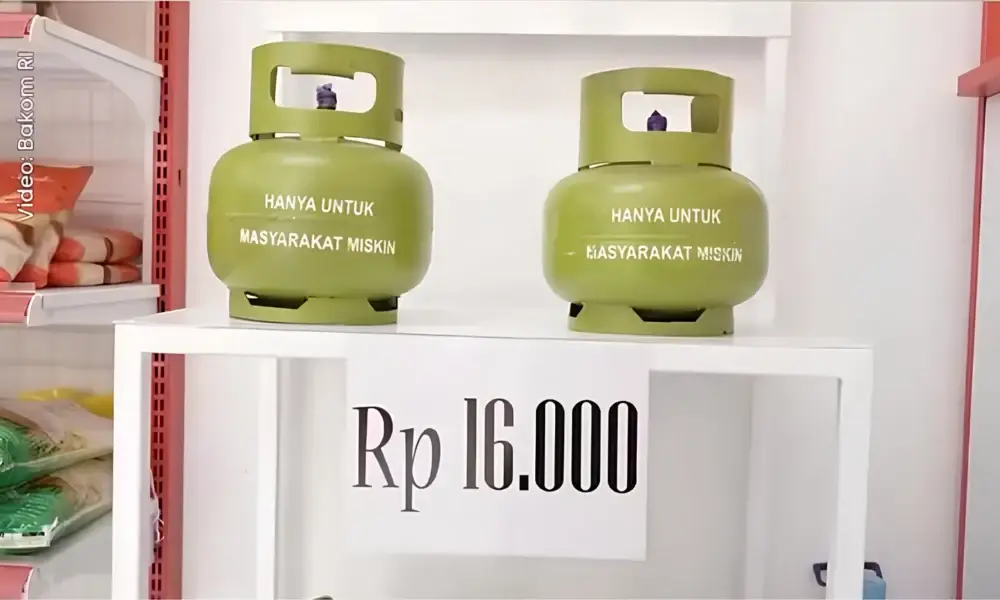
JAKARTA, The Kabar News—The Indonesian government plans to channel subsidized goods and public assistance through the Red and White Village/Subdistrict Cooperatives (KDKMP) network. The aim is to improve recipient data and prevent excessive prices caused by long distribution chains.
Coordinating Food Minister Zulkifli Hasan (Zulhas) announced the plan after a coordination meeting at his ministry’s office in Jakarta on Monday, Nov. 23. He said President Prabowo Subianto had instructed government institutions to use the cooperatives as distribution points for subsidized fertilizer. Moreover, 3-kilogram liquefied petroleum gas and rice will be included.
“The president’s first instruction is that all subsidized goods and government assistance must not be freely traded,” Zulhas said. “Therefore, the government has asked the KDKMP to distribute them.”
The government also wants the cooperatives to support the delivery of food assistance and social protection programs. Data collected at the village level could later help authorities determine eligibility for education assistance and scholarships. Additionally, it could help with subsidized microcredit through the KUR program.
Read also: Indonesian govt to restructure free meals program after SPPG exceed target
However, the government has yet to publish complete technical rules for integrating all these programs into the cooperative network.
Zulhas described the problem with subsidized LPG. He said Pertamina Patra Niaga supplies each 3-kg cylinder at Rp13,700 (US$0.82). However, retailers in some areas charge consumers between Rp23,000 and Rp28,000.
Under the proposed arrangement, a cooperative could sell the cylinder for around Rp16,500. A nearby retailer that obtains supplies from the cooperative could then charge no more than approximately Rp18,000, according to the minister’s example.
“If the gas costs Rp13,700, the cooperative can sell it for Rp16,500,” Zulhas said. “If it passes through one more level, the price should be no higher than Rp18,000.”
Read also: Govt moves to restore fuel oil and LPG supply in Sintang after distribution disruptions
The figures cited by Zulhas do not constitute a new nationwide maximum retail price. Regional administrations retain the authority to set the maximum retail price for subsidized LPG at official distribution points. They do so based on local transport costs and other regional conditions, according to the Energy and Mineral Resources Ministry’s distribution rules.
The plan might still allow neighborhood retailers to exist. Cooperatives could supply small shops where local demand or distance makes direct purchases impractical. This arrangement means that it would be inaccurate to describe the cooperatives as the sole retail sellers until the government issues detailed regulations.
The government will implement the policy gradually. This is because many cooperatives lack the trained personnel, logistics and infrastructure required to manage subsidized products.
Read also: Zulhas admits MBG failures but defends core policy
Zulhas said about 30,000 cooperatives had established physical facilities. However, the government was targeting only 10,000 properly operating locations by the end of 2026. Ministries, regional administrations and state-owned enterprises will help inspect their readiness.
The legal foundation already exists. Article 69 of Presidential Regulation No. 82/2026 designates the cooperatives as government infrastructure for distributing subsidized goods, public assistance and price-stabilization programs. The regulation specifically lists subsidized fertilizer and 3-kg LPG among the products covered by the policy.
LPG distribution through the network has also begun. By October, 966 cooperatives had become LPG outlets supported by 285 official agents. Pertamina Patra Niaga reported that the network had distributed approximately 33,347 cylinders, according to company figures reported by Antara.
The broader plan could shorten supply chains and improve oversight. However, its success will depend on maintaining reliable stocks and accurate beneficiary records.
You Might Find This Interesting: Sponsored Content
The government must also ensure that residents in remote communities can still obtain subsidized LPG and food. They should be able to do so without travelling farther or paying additional transport costs.
Clear rules for existing agents, official LPG bases and small retailers will therefore determine whether the new system lowers prices. This must happen without disrupting access.
Until those arrangements are ready, the cooperative model remains a phased distribution reform. It is not an immediate nationwide replacement of existing channels.

No Comment! Be the first one.