



Asset Forfeiture Law clears house after 18-year wait
JAKARTA, The Kabar News—Indonesia’s House of Representatives passed the long-awaited Asset Forfeiture Bill into law on Thursday, Nov. 19, providing authorities with a new legal mechanism to...
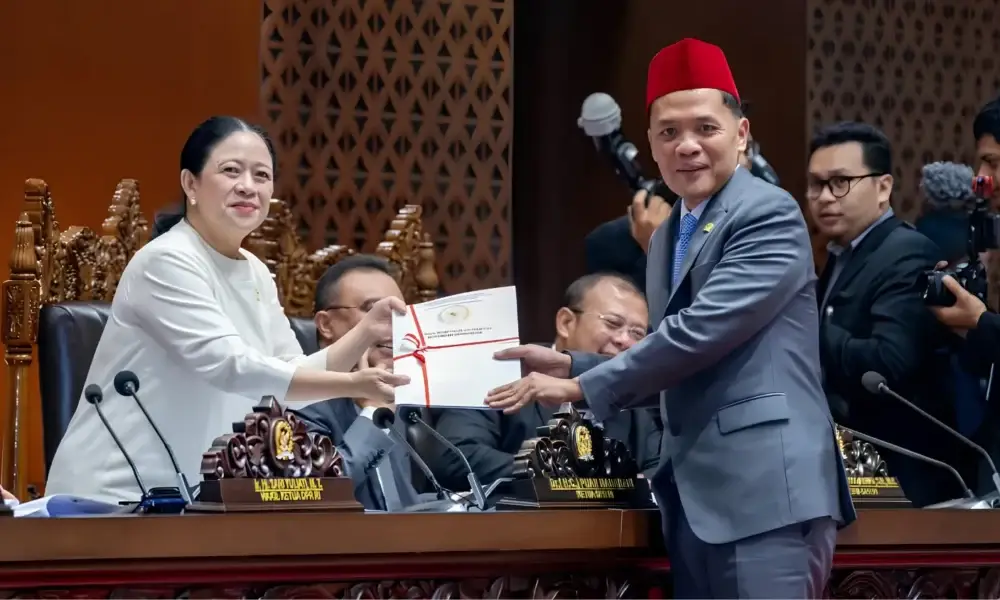
JAKARTA, The Kabar News—Indonesia’s House of Representatives passed the long-awaited Asset Forfeiture Bill into law on Thursday, Nov. 19, providing authorities with a new legal mechanism to recover assets linked to corruption and other serious crimes.
The House approved the Law on Asset Forfeiture Related to Corruption and Other Criminal Offenses during its 13th plenary session of the 2026–2027 legislative year. The vote concluded a legislative effort that began in 2008. This effort repeatedly stalled because of political and legal disagreements.
The law allows the state, in certain cases, to seek the forfeiture of suspected criminal assets without first obtaining a conviction against the alleged offender. However, authorities must still apply to a court. In these cases, they must demonstrate the connection between the assets and an alleged crime.
House Commission III Chairman Habiburokhman said the law aims to improve the recovery of assets belonging to the state and crime victims.
“We hope the enactment of this law will mark a new momentum for fairer law enforcement and deliver tangible benefits to the public,” Habiburokhman said after the vote.
Read also: Asset forfeiture bill enters eight-week final push
The House’s official account of the plenary session said the legislation shifts the emphasis of law enforcement beyond punishing offenders to recovering the proceeds of crime.
The new law introduces non-conviction-based forfeiture for specific circumstances. This includes cases in which an alleged offender has fled, died or developed a permanent medical condition that prevents the criminal process from continuing.
The mechanism does not permit law enforcement agencies to seize property permanently just by an administrative decision. Authorities have several stages to go through, starting with tracing assets and a possible suspension of transactions. The investigators can then move to freeze or seize the assets before sending the matter for judicial determination.
The court has to decide if the state has made a strong enough case to warrant the taking of the property. During the proceedings, parties interested may present claims.
Read also: DPR leaders pledge to resign if asset bill misses deadline
The law also states that asset forfeiture does not remove the criminal liability of an offender when prosecution remains possible.
According to House documents, the legislation includes a balanced burden-of-proof mechanism and protection for third parties who acquired or controlled property in good faith. These safeguards are intended to protect relatives, business partners or other owners who were not involved in the underlying crime.
Although corruption remains its central focus, the law also applies to assets linked to several other categories of crime.
The expanded scope includes narcotics offenses and terrorism financing. It also covers human trafficking, weapons smuggling and technology-enabled fraud or embezzlement that causes broad economic harm.
Habiburokhman said the legislation rests on judicial oversight and proportionality. He added that an independent supervisory mechanism and a digital asset-management system would create a permanent audit trail.
Read also: Indonesia ends Hajj queue-skipping replacement rule
Assets recovered under the law may be returned to the state or used to compensate victims. Property belonging to a third party acting in good faith must be returned or released if the person can establish a valid claim.
House Speaker Puan Maharani welcomed the law but acknowledged that its broad powers require close supervision.
“Hopefully, this new law can strengthen law enforcement and the recovery of state assets while delivering benefits to the public,” Puan said.
“More importantly, further oversight is needed so the law is not misused as an instrument of power or extortion by law enforcement officers,” she added.
The warning is significant because investigators may temporarily restrict access to property before a court issues its final forfeiture ruling. Clear evidentiary standards and meaningful access to legal remedies will therefore determine whether the system respects due process.
The law provides for professional asset management covering storage, maintenance and sale. It also requires an independent body to supervise forfeiture procedures and the management of recovered property.
However, the government and House still need to explain how these bodies will operate. They should explain who will appoint their officials. In addition, they should define how the public can access their records.
Civil society groups had pushed for the law for years. They argued that imprisonment alone did not prevent offenders from enjoying criminal proceeds held through relatives or corporate structures.
Nevertheless, watchdogs also raised concerns about transparency during the drafting process. Reuters reported that the latest text was not immediately available to the public when lawmakers approved it.
You May Also Like: Sponsored Offers
Publication of the final text is essential because the precise wording will determine when authorities can freeze assets and how owners can challenge a seizure. Furthermore, it will also show how the law defines a good-faith third party.
The passage of the law gives Indonesia a stronger instrument to pursue criminal wealth. Its credibility, however, will depend on independent courts and transparent asset management.
The authorities also need to enforce the safeguards consistently. This ensures that asset recovery does not become a tool for political pressure or unlawful confiscation.



No Comment! Be the first one.