



BPJS uses Rp10tn support to settle health claims
JAKARTA, The Kabar News—The Social Security Administrative Body for Health (BPJS Kesehatan) has used the first Rp10 trillion (US$594 million) tranche of government support to pay healthcare...

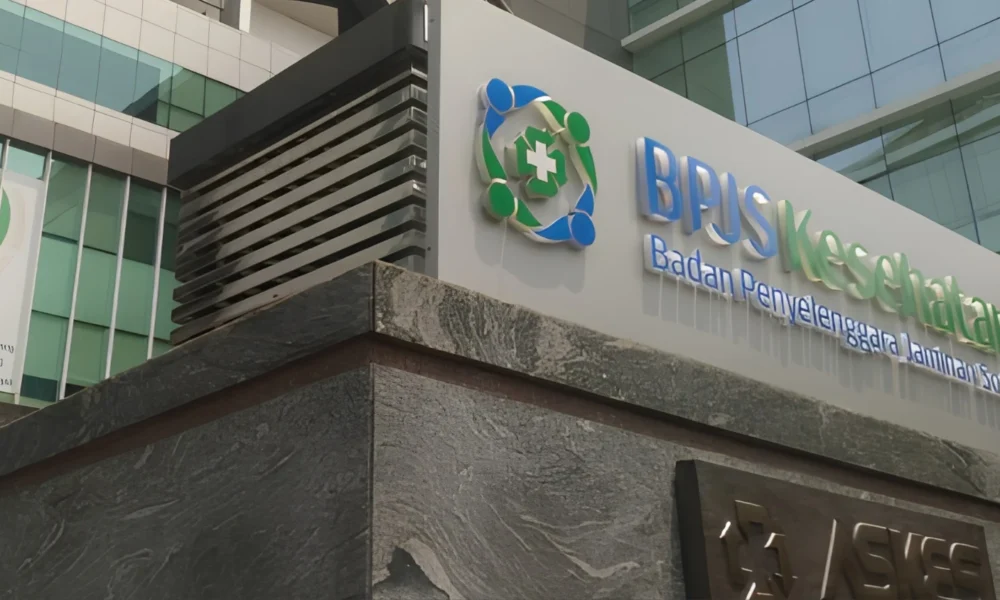
JAKARTA, The Kabar News—The Social Security Administrative Body for Health (BPJS Kesehatan) has used the first Rp10 trillion (US$594 million) tranche of government support to pay healthcare facilities serving participants in Indonesia’s National Health Insurance (JKN) program.
The government provided the funding to strengthen the social security fund (DJS Kesehatan), amid a widening gap between contribution income and healthcare expenses. BPJS Kesehatan said it directed the entire allocation to verified claims and completed the payments within approximately 15 days.
The funding was not part of BPJS Kesehatan’s regular administrative budget. The agency recorded it separately and reserved it for payments to hospitals and other partner facilities.
“We emphasize that the assistance for DJS Kesehatan [the social security fund] adequacy is solely for payments to healthcare facilities,” BPJS Kesehatan spokesperson Rizzky Anugerah said in an official statement.
“We use the funds according to their intended purpose and record them separately from BPJS Kesehatan’s routine finances.”
Read also: BPJS Kesehatan reactivates 105,000 PBI JKN members after temporary deactivation
The government transferred the first tranche on Oct. 14, 2026. By Oct. 23, BPJS Kesehatan had disbursed Rp5.1 trillion. It allocated the remaining Rp4.9 trillion for hospital claims undergoing administrative verification and targeted completion by the end of October.
The Rp10 trillion formed the first half of the Rp20 trillion in additional state support approved for 2026. The government scheduled the second Rp10 trillion tranche for November to maintain payments through the end of the year.
Health Minister Budi Gunadi Sadikin said the government approved the assistance after reviewing BPJS Kesehatan’s financial position. Finance Minister Suahasil Nazara said the 2026 state budget already contained the necessary allocation. The government announced the Rp20 trillion package in September.
By September, BPJS Kesehatan had received Rp118 trillion in contributions. But payments for health-care services were about Rp132 trillion, leaving a cash-flow gap in the short term.
Read also: BPJS Kesehatan no longer covers victims of sexual violence and domestic abuse
For the whole of 2025, JKN is said to have collected contributions of Rp176.72 trillion and healthcare claims are estimated at Rp191.33 trillion. The shortfall strained the fund’s reserves and prompted calls for government intervention.
Hospitals, clinics and primary care providers can use regular claim and capitation payments to pay staff and purchase medicines. They also help facilities keep equipment running and continue to treat JKN participants without shifting the financial burden to patients.
Read also: Govt weighs BPJS aid expansion to decile 8
Presidential Regulation No. 82/2018 requires BPJS Kesehatan to pay hospital claims no later than 15 calendar days after it confirms that the supporting documents are complete. BPJS recorded an average payment period of 13.6 days in 2025.
JKN covered about 284.8 million people, or 98 percent of Indonesia’s population, as of Oct. 1, 2026. Its network included 23,873 primary-care facilities and 3,222 hospitals. Thousands of pharmacies, laboratories and optical providers also supported the program.
The Rp10 trillion payment has eased immediate pressure on healthcare facilities. Nevertheless, the additional funding provides short-term liquidity rather than resolving JKN’s structural imbalance.
Read also: Discover promotions available today
For the program to be sustainable, accurate participant data and improved contribution collection will be necessary. BPJS Kesehatan must also control unnecessary spending, without limiting treatment that is medically necessary.
Transparent reporting on the second tranche and future claim payments will be important to demonstrate whether the support maintains healthcare services stable across the country.




No Comment! Be the first one.