



KDMP links village producers with wider markets
BANDUNG, thekabrnews.com—The Red and White Cooperatives (KDMP) program is beginning to show how village cooperatives can operate beyond conventional retail by linking farmers, micro businesses and...

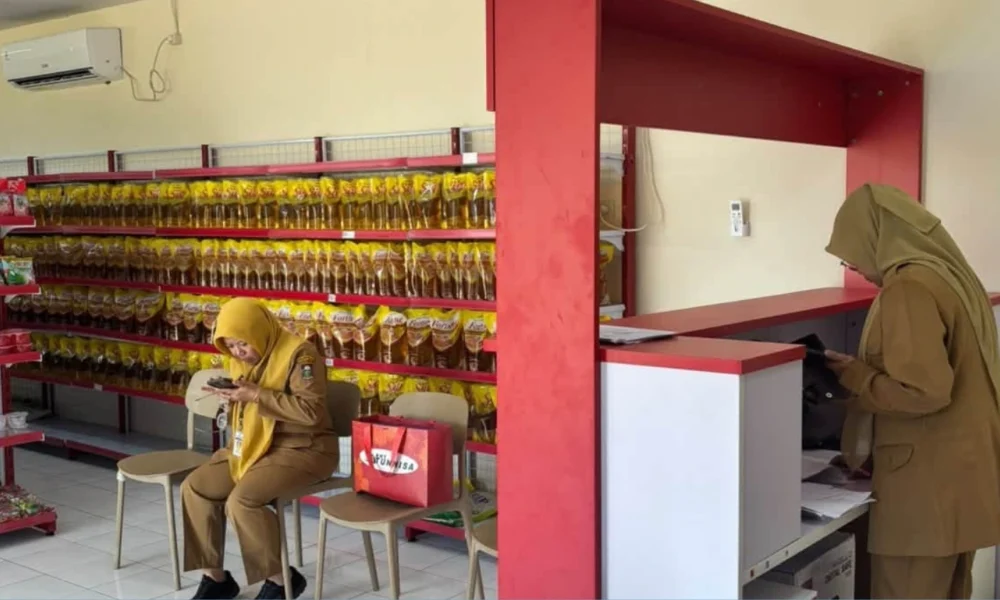
BANDUNG, thekabrnews.com—The Red and White Cooperatives (KDMP) program is beginning to show how village cooperatives can operate beyond conventional retail by linking farmers, micro businesses and institutional buyers within a local supply chain.
The government established the program through Presidential Instruction No. 9/2025. The instruction directed ministries and regional administrations to accelerate the formation and revitalization of 80,000 village and urban-ward cooperatives.
President Prabowo formally launched 80,081 KDMP and KKMP entities in Klaten, Central Java, on July 21, 2025. The regulation identifies food self-sufficiency and more equitable village-based development as the program’s main objectives.
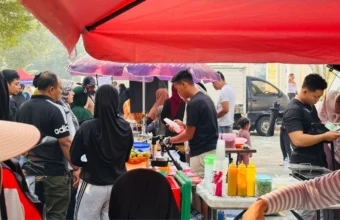
Recent activity at KDMP Lengkong in Bandung regency illustrates how the model works. The cooperative coordinates orders through a website and WhatsApp Business, then connects customers with participating suppliers instead of keeping every product in its warehouse.
KDMP Lengkong head Hasan Basri said the cooperative had helped local micro, small and medium enterprises (MSMEs) reach additional customers.
“Local MSMEs already had their own markets in Lengkong village, each with different products. The presence of KDMP has also helped their marketing process,” Hasan said.
As of September 2026, around 25 MSMEs were working with the cooperative. One partner, snack producer Kacang Daruk Madu, reported that daily sales increased from between 250 and 350 packages to approximately 500–600 after joining the network.
The figures came from the business owner and have not been independently audited. Warta Ekonomi reported that KDMP placed orders about three times a week.
The cooperative also connects food suppliers with nutrition fulfillment service units (SPPG), which operate under the free meals (MBG) program.
Hasan said weekly demand included about 2,400 pieces of tofu, while transactions for tofu and other products approached Rp2.5 million per week. KDMP receives a 2 percent fee from suppliers involved in those transactions.
In agriculture, KDMP Lengkong initially provided Rp25 million to support a 4,200-square-meter chili-growing project. The cultivated area later expanded to about 1.5 hectares.
Farmers manage production, while the cooperative assists with financing and marketing, although its capacity to absorb harvests remains limited.
A separate cooperative in Cileunyi Wetan provides another example. It runs grocery, fertilizer, LPG, health-service and warehousing units. Local reporting recorded 286 active members in November 2025, while figures may vary according to the reporting period.
The West Java Cooperatives and Small Business Office has designated Cileunyi Wetan as one of two KDMP pilot models in Bandung regency. The provincial agency said the regency had established 270 village cooperatives.
State-owned enterprises, including Bulog, ID FOOD and Pertamina-linked distributors, support the wider program by supplying rice, groceries and LPG. However, these local examples do not yet establish the program’s nationwide impact.
Long-term results will depend on transparent financial reporting, sustainable demand and each cooperative’s ability to build viable businesses around local needs.
No Comment! Be the first one.