



Traffic jams hit Pyongyang for the first time as private car ownership surges in North Korea
PYONGYANG, Thekabarnews.com—Private car ownership is surging in the North Korean capital. For the first time in modern memory, traffic jams are becoming a visible feature of everyday life in...

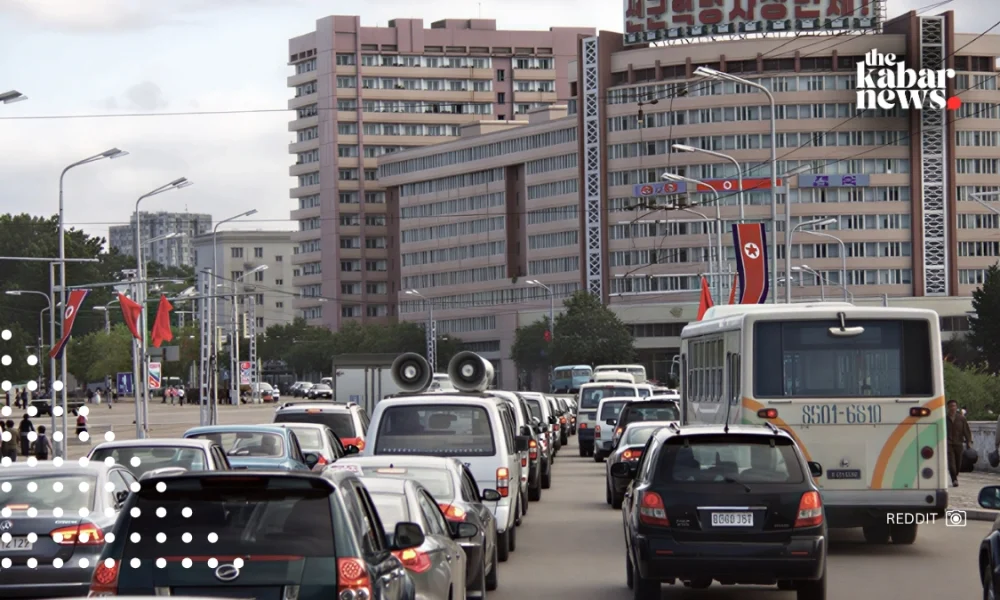
PYONGYANG, Thekabarnews.com—Private car ownership is surging in the North Korean capital. For the first time in modern memory, traffic jams are becoming a visible feature of everyday life in Pyongyang.
Quiet streets and a small number of private cars have long been part of everyday life in the country. However, the tight state control, busy streets, full parking lots, and growing traffic bottlenecks all speak of an important social and economic change.
People are using private vehicles more and more on the streets, in hotels, in shopping centers, and in public spaces in Pyongyang. This information is according to a recent Reuters report that relies on satellite images and accounts from recent visitors.
Hotel parking lots are full of cars, and more vehicles are flooding the streets around them. Gold Lane Bowling Alley and Rakrang Market are among the places seeing more traffic.
The increase is the result of legal changes in the past two years. These changes allow licensed drivers to purchase one private car per household from state-certified dealers. Until recently, only government officials, military institutions, and state organizations could own cars in North Korea.
However, private car ownership remains largely limited to the wealthy elite and the entrepreneurial class known as “donju,” a group of affluent businesspeople who gained influence through market activity.
During his regular visits to North Korea, Singaporean photographer Aram Pan was surprised to see a real traffic jam on his latest trip to Pyongyang.
“The number of cars now means the main roads are choke points. I saw more than 100 private cars with yellow plates when I visited,” he said, as quoted by Reuters.
Yellow license plates are used on private cars. State and military cars have blue and black plates.
Observers believe that Chinese brands make up most of the vehicles on the roads. This is a sign of North Korea’s growing economic dependence on China.
While U.N. sanctions still forbid the direct export of cars to North Korea, Chinese customs data reveal a rise in exports of vehicle-related items such as tires, mirrors, and lubricants.
Officials are also responding to increased demand with more electric vehicle charging infrastructure and more parking spaces. Electric taxi charging points are reportedly starting to emerge in certain areas of the capital.
The government’s decision to approve more private cars is part of a broader plan. The plan aims to bring private economic activity under state control.
People must purchase cars through official channels, service them through authorized suppliers, and use state-controlled fuel systems to refuel them.
This gives the government the ability to regulate consumption and the informal black market.
The worsening traffic jams in Pyongyang are more than an urban nuisance—they are a reflection of a deeper change taking place within one of the world’s most isolated countries.
Even finding a parking spot now is a bigger political and economic story in North Korea.



No Comment! Be the first one.