



Is your second toe longer than your first? You may have Morton’s toe
Thekabarnews.com—Many people find that their second toe is longer than their big toe and often simply assume it is a genetic trait or a cosmetic difference. But, in medical terms, this condition is...

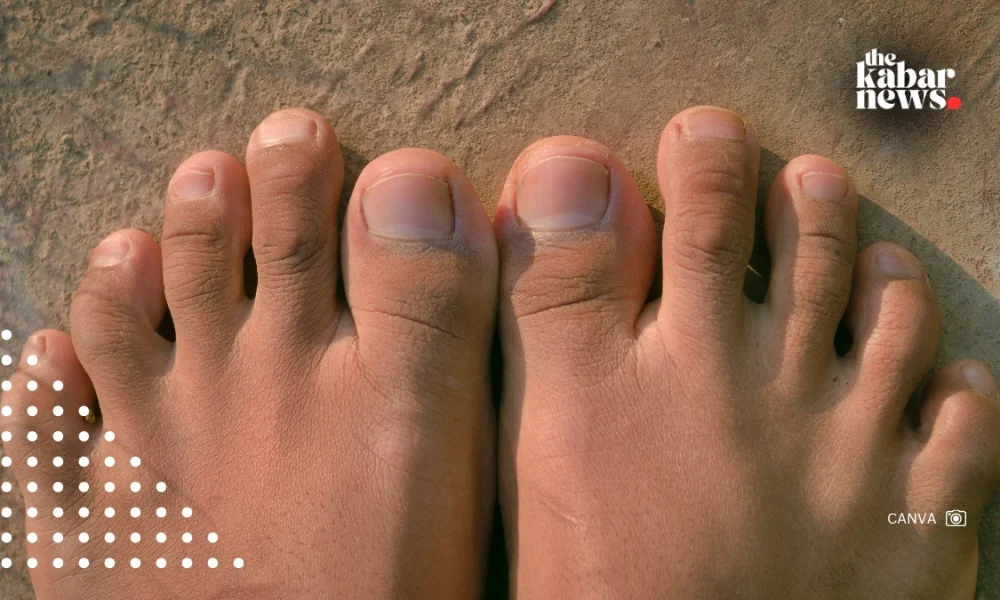
Thekabarnews.com—Many people find that their second toe is longer than their big toe and often simply assume it is a genetic trait or a cosmetic difference. But, in medical terms, this condition is usually referred to as Morton’s toe or sometimes as Greek toe.
Morton’s toe is a condition in which the first metatarsal bone, the long bone behind the big toe, is shorter than the second. This structural difference makes it appear that the second toe is longer, even if the actual toe bones themselves aren’t longer.
Medical experts say it is a type of brachymetatarsia. That is an abnormal shortening of one of the metatarsal bones in the foot.
The condition usually occurs when the growth plate of the first metatarsal closes prematurely during development. This closure stops the bone from reaching its full length. Consequently, the second toe is now more apparent, and the big toe appears shorter.
The metatarsal bones are naturally different in shape from one person to another. Most of the bones curve smoothly through the metatarsophalangeal (MTP) joints. These are the joints at the base of each toe.
But in people with Morton’s toe, the first metatarsal is shorter and pushed back. Because of this, the curve of the alignment has to bend more sharply. It also moves the base of the second toe slightly further forward.
If your big toe and second toe have similar lengths of the phalanges (the toe bones from the MTP joint to the tip of the toe), the second toe will appear like it is sticking out more than the big toe.
If the second toe is naturally shorter, the visual difference may not be as noticeable. Alternatively, the big toe may still look longer.
Morton’s toe is usually harmless and not necessarily painful. However, some people complain of foot discomfort, balance problems, or pain from pressure because the longer second toe can change your body weight distribution while walking or standing.
Podiatrists say this redistribution of weight could increase the chance of calluses or metatarsalgia, or pain in the ball of the foot. In some cases, it may be difficult to find comfortable shoes. This is particularly true in places where tight shoes exert additional pressure on the second toe. Therefore, treatment is usually based on symptoms rather than appearance.
People without pain usually do not need medical treatment. But supportive insoles, changes in footwear, physical therapy, or a podiatric consultation may help those with discomfort. Morton’s toe is a foot variation and one of the more common but misunderstood ones.
Many people see the condition as just a cosmetic trait. However, knowing its anatomical source can help to explain how a simple discrepancy in toe length can sometimes influence posture, comfort, and the long-term health of the foot.






No Comment! Be the first one.