



Indonesia finds E. coli in free meals food samples
JAKARTA, thekabarnews.com—Indonesia’s Health Ministry has confirmed the presence of Escherichia coli (E. coli) in several food samples collected after reported poisoning incidents involving the Free...

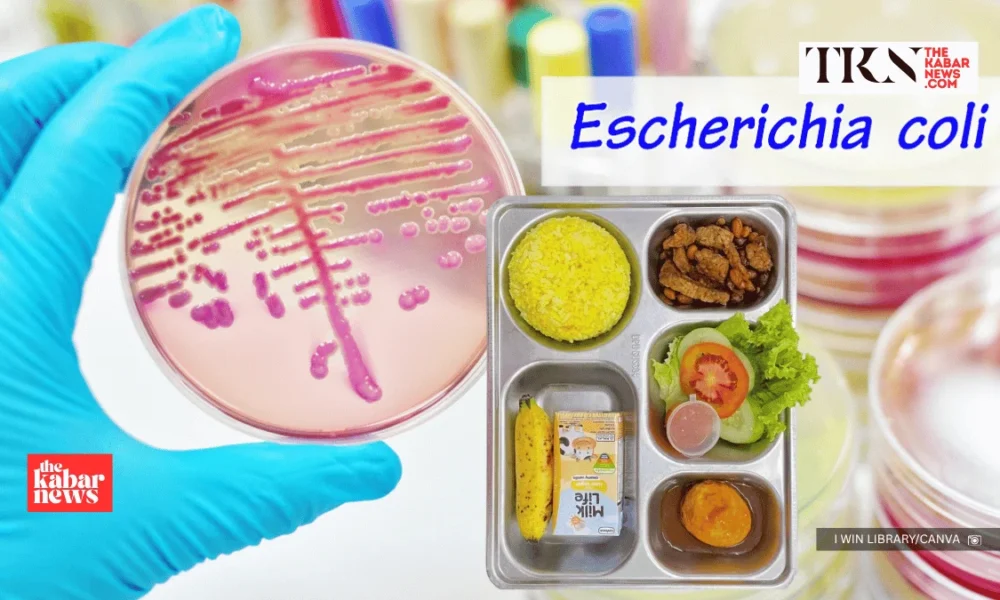
JAKARTA, thekabarnews.com—Indonesia’s Health Ministry has confirmed the presence of Escherichia coli (E. coli) in several food samples collected after reported poisoning incidents involving the Free Meals (MBG) program in Papua and Semarang, Central Java.
Health Minister Budi Gunadi Sadikin announced the laboratory findings in Jakarta on Thursday, August 6.
The ministry has submitted the results and its technical recommendations to the National Nutrition Agency (BGN). BGN administers the nationwide program commonly known by its Indonesian abbreviation, MBG.
“As soon as the poisoning incidents occurred, the Health Ministry team went to the locations. The report and laboratory results are already available, and we identified several foods containing E. coli—not only watermelon but several other food items as well,” Budi said.
He said ministry personnel immediately collected food samples to identify potential causes, guide corrective action and prevent similar incidents.
Authorities have not publicly disclosed the complete list of contaminated items, the strains detected or their bacterial concentrations.
Those details are important because most E. coli strains are harmless, while certain strains can cause serious foodborne illness.
According to the World Health Organization, harmful strains may spread through contaminated food or water. In addition, they can spread through cross-contamination involving hands, utensils and food-preparation surfaces.
Budi praised BGN chief Sudaryono for quickly following up on the ministry’s recommendations. He especially noted those concerning management and food-safety controls at Nutrition Fulfillment Service Units (SPPGs).
These units prepare and distribute MBG meals to schools and other eligible recipients.
BGN’s 2026 technical guidelines set a nationwide target of about 82.9 million beneficiaries served through approximately 35,270 operational SPPGs.
The program’s scale makes consistent hygiene, temperature control, laboratory sampling and staff supervision essential across thousands of kitchens.
The BGN’s food-safety guidelines recommend a Hazard Analysis and Critical Control Points (HACCP) approach.
They require kitchens to maintain cleanliness, separate raw and cooked food, cook ingredients properly, keep meals at safe temperatures and use safe water and raw materials.
The guidelines also state that food should generally be prepared no more than five to six hours before consumption.
SPPGs must retain samples for 24 hours to support laboratory investigations if recipients report foodborne illness.
Under BGN’s food-safety regulation, suspected poisoning must be reported to health facilities and BGN. Investigations may involve the health ministry, the food and drug monitoring agency, and local governments.
SPPGs found to have violated safety requirements can face temporary suspension. They may receive a recommendation to revoke their hygiene and sanitation certificate or face permanent termination of their partnership.
The latest findings provide evidence of bacterial contamination in the samples, but they do not, by themselves, establish how the contamination occurred.
Investigators must assess the complete laboratory and epidemiological evidence before determining the precise source and chain of transmission.




No Comment! Be the first one.