



West Kalimantan prepares for shifting rainy season
PONTIANAK, thekabarnews.com—The West Kalimantan provincial administration is strengthening preparations for the 2026–2027 rainy season. Shifting weather patterns create overlapping risks of forest...

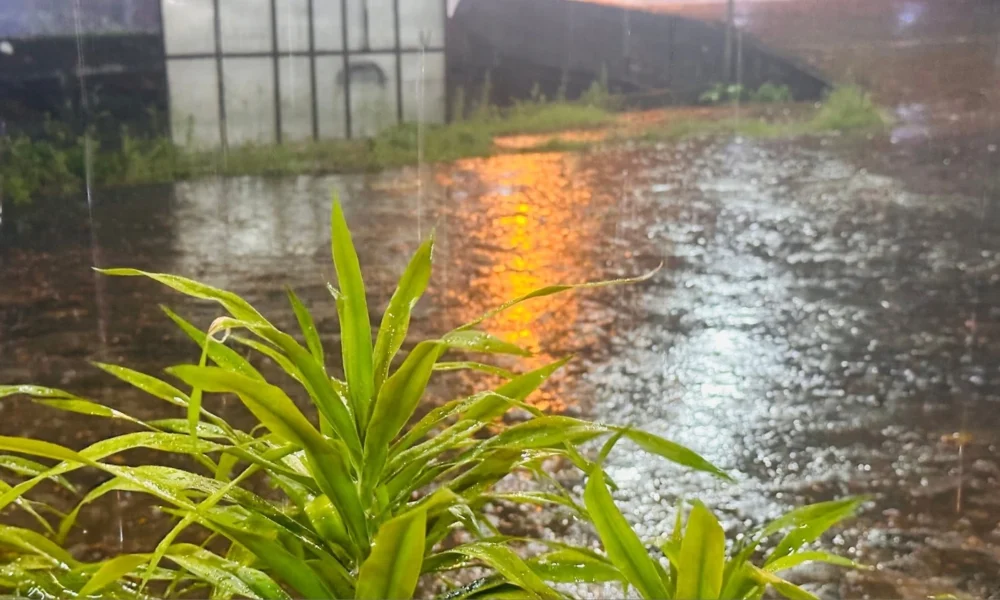
PONTIANAK, thekabarnews.com—The West Kalimantan provincial administration is strengthening preparations for the 2026–2027 rainy season. Shifting weather patterns create overlapping risks of forest fires and localized heavy rain.
Governor Ria Norsan said regional administrations should use forecasts from the Meteorology, Climatology and Geophysics Agency (BMKG) to guide disaster planning and budget decisions.
He delivered the statement while attending BMKG’s West Kalimantan rainy-season forecast briefing online. The briefing was held from the province’s Data Analytics Room (DAR) on Friday, Oct. 2.
“Our experience in dealing with karhutla [forest and land fires] and drought must serve as a lesson to strengthen our preparedness for the rainy season,” Norsan said.
Norsan urged provincial agencies and district or municipal administration to translate BMKG information into practical measures. Weather and climate projections can help authorities plan planting schedules, manage water supplies and prepare disaster-response funding. The data can also support food-security policies when weather disruptions affect production and prices.
BMKG expects the rainy season to begin later than usual across much of Indonesia. The agency recorded a three-month El Niño index of +2.20, placing the climate pattern in the forceful category. Furthermore, it expects El Niño conditions to persist into early 2027.
Nationally, BMKG forecasts that most regions will enter the rainy season in November or December 2026. The BMKG expects delayed onset across 529 seasonal zones, covering 61.08 percent of Indonesia’s land area. It also projects a shorter-than-normal rainy season across more than half of the country.
A delayed seasonal transition does not eliminate the possibility of sudden rainfall. Short periods of intense rain may still trigger urban flooding or landslides. This risk increases particularly where drainage systems are blocked or slopes are unstable.
That contrast is already visible in West Kalimantan. BMKG’s provincial monitoring detected 223 hotspots on Oct. 1, including 183 in Ketapang Regency. A hotspot indicates an elevated surface temperature detected by satellite, but it does not automatically confirm an active fire.
For Oct. 2–8, the BMKG warned that parts of the province could remain susceptible to forest and land fires. At the same time, these areas could also experience light-to-moderate rain.
BMKG’s national weekly forecast similarly identified West Kalimantan as an area with potential increases in moderate rainfall during both Oct. 2–4 and Oct. 5–8. The forecast reported dry conditions could persist even as localized rain develops.
The provincial administration’s immediate challenge is therefore managing the transition rather than responding to only one hazard. Norsan called on local authorities to monitor official BMKG updates and adjust field preparations as conditions change.




No Comment! Be the first one.