



Istiqlal Mosque turns stock waqf into social funding
JAKARTA, thekabarnews.com—Jakarta’s Istiqlal Mosque is expanding its productive-waqf program through sharia-compliant capital-market instruments. It seeks to generate sustainable funding for...

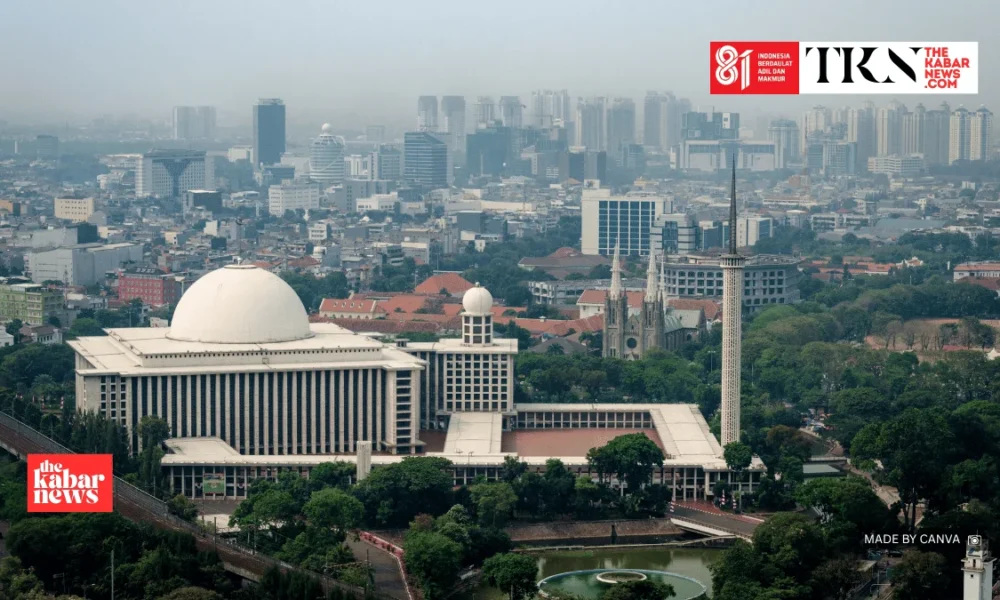
JAKARTA, thekabarnews.com—Jakarta’s Istiqlal Mosque is expanding its productive-waqf program through sharia-compliant capital-market instruments. It seeks to generate sustainable funding for education, health and community economic empowerment.
Religious Affairs Minister Nasaruddin Umar, who also serves as Istiqlal’s grand imam, described the initiative on Friday, August 7. He said it is the first by an Indonesian mosque to use the stock market as part of a structured waqf program.
“Istiqlal Mosque is the first mosque to enter the stock exchange. We collect cash waqf in cooperation with the exchange so that it can support the economic empowerment of the Muslim community,” Nasaruddin said.
The statement does not mean Istiqlal has listed shares or become a publicly traded institution. The mosque’s Istiqlal Global Fund uses regulated Islamic capital-market instruments to manage donated assets and distribute their economic benefits.
Istiqlal Global Fund, operating under the Istiqlal Mosque Management Agency, launched the Stock Waqf Program with PT Majoris Asset Management on December 12, 2025.
The launch followed a memorandum of understanding signed during the Indonesia Stock Exchange’s Capital Market Summit and Expo in October.
Under the arrangement, Istiqlal Global Fund serves as the nazhir, or waqf manager, responsible for collecting assets and distributing their benefits. Majoris manages the investment portfolio in accordance with Islamic principles.
Mandiri Sekuritas manages the securities account and acts as a representative of the waqf manager. The Indonesia Stock Exchange supports the initiative and provides input on its implementation.
Members of the public can contribute through the program’s official digital platform. The site offers seven program categories and lists 70 sharia-compliant stocks for allocation by the waqf manager.
Unlike a conventional donation that may be spent immediately, productive waqf aims to preserve and manage the donated asset. It channels the resulting benefits toward eligible social purposes.
Investment returns are not guaranteed because stock values can rise or fall.
The mosque allocates benefits generated through the program across seven social-development pillars:
- Education
- Health care
- Waste management
- Clean-water provision
- Solar-energy development
- Entrepreneurship
- Community empowerment through Istiqlal Mart
Nasaruddin said the model allows financial gains from sharia-compliant shares to flow back to communities. This work is done through programs managed by the mosque.
The program enters a market with substantial but largely unrealized potential. The Indonesian Waqf Board estimates that the country could generate Rp181 trillion in cash waqf annually.
Accumulated collections had reached only about Rp3.5 trillion. This highlights a major gap between projected capacity and actual participation, according to the Indonesian Waqf Board.
Istiqlal should develop long-term confidence through transparent management of its portfolio. The mosque should also ensure frequent publication of financial reports, clear disclosure of investment risks and documentation of verifiable social benefits.





No Comment! Be the first one.