



FORMAS expands civil network behind Prabowo programs
JAKARTA, thekabarnews.com—The Indonesian Golden Society Forum (FORMAS) says it has added 20 civil society organizations to its national network. This expands its self-reported membership to 103...
JAKARTA, thekabarnews.com—The Indonesian Golden Society Forum (FORMAS) says it has added 20 civil society organizations to its national network. This expands its self-reported membership to 103 groups committed to supporting the priority programs of President Prabowo Subianto.
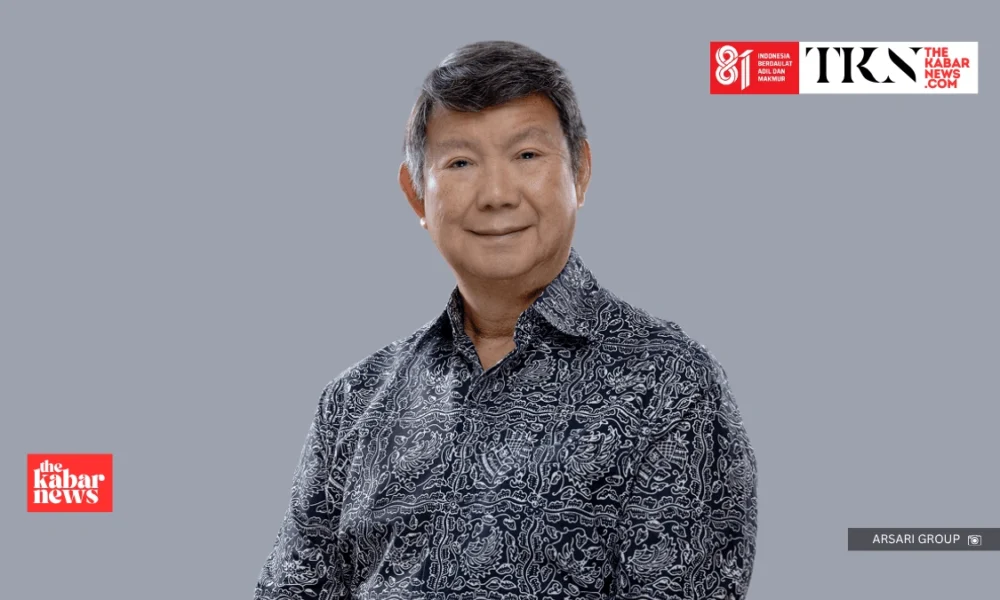
FORMAS Advisory Board Chairman Hashim Djojohadikusumo, who is also Prabowo’s younger brother and Indonesia’s special presidential envoy on environment and climate, formally inducted the new members. The forum released this information.
The publicly available announcement did not include a complete list of the 20 organizations. Nor did it provide independently verifiable details about the ceremony’s date and venue. No government registry confirming the network’s latest total was available as of August 9, 2026.
FORMAS was established in 2024 as an umbrella network for organizations seeking to monitor, promote and support the Prabowo administration’s development agenda.
It initially brought together 21 groups before expanding to 37 members in October 2024. Hashim and FORMAS Chairman Yohanes Handojo Budhisedjati inducted 16 additional organizations in Jakarta.
“We are ready to strengthen oversight through the use of information technology so that we can implement government programs properly,” a FORMAS official said. This explanation illustrated the network’s role during its earlier expansion.
The network supports one of its initiatives, the Free Meals (MBG) program. The government uses the program to distribute meals to schoolchildren, preschool children, women in pregnancy, breastfeeding mothers and other eligible groups.
Hashim has repeatedly defended the program as a long-term commitment of the Prabowo administration.
“The MBG program will not stop,” Hashim said at an organizational event in Jakarta on July 3.
Elementary and Secondary Education Minister Abdul Mu’ti said in June that more than 43 million of Indonesia’s approximately 53 million students had received meals through the program. This was according to the State Secretariat.
FORMAS members could potentially assist by disseminating information, gathering community feedback and monitoring implementation.
Operational authority, public funds, and accountability remain with the National Nutrition Agency (BGN) and other authorized state institutions.
Indonesian law recognizes civil society organizations as vehicles for freedom of association and public participation in national development.
Law No. 17 of 2013 also calls for such organizations to operate democratically, professionally, independently, transparently and accountably.
The FORMAS expansion therefore raises an important governance question: can organizations support government priorities while maintaining enough independence to identify failures and demand corrective action?
Civil society participation can enhance public oversight and link national programs to local communities.
Political proximity can affect the level of scrutiny as organizations providing support become reluctant to criticize poor implementation.
Clear funding disclosures, published membership lists, measurable activities and transparent reporting would help FORMAS to distinguish independent civic participation. Such measures would differentiate it from the work of government institutions or political organizations.

No Comment! Be the first one.