



US-Iran war cost reaches $37.5 billion, Hegseth says
The United States has spent an estimated $37.5 billion on its war with Iran, Defense Secretary Pete Hegseth told senators. The Pentagon is seeking $67.1 billion in emergency funding. Lawmakers...

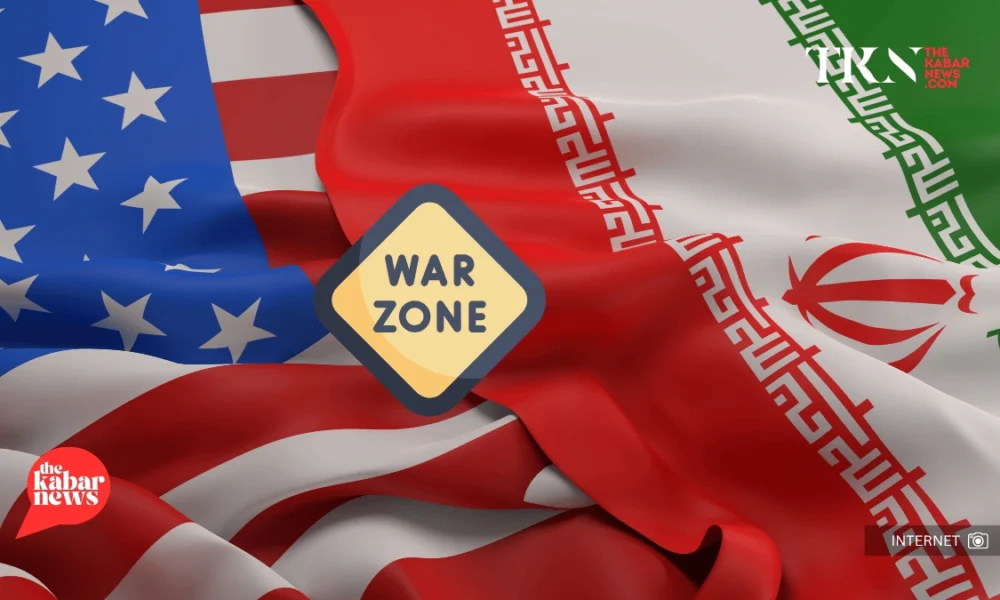
The United States has spent an estimated $37.5 billion on its war with Iran, Defense Secretary Pete Hegseth told senators. The Pentagon is seeking $67.1 billion in emergency funding. Lawmakers question strategy, readiness and delayed casualty reporting. Renewed fighting drives oil prices higher and intensifies global inflation risks.
Thekabarnews.com—The United States has spent an estimated $37.5 billion on its war with Iran, Defense Secretary Pete Hegseth told senators. The Pentagon seeks emergency funding to replenish weapons and prevent military-readiness shortfalls.
Hegseth disclosed the figure during a Senate Appropriations Committee hearing in Washington on Tuesday, July 21. The estimate equals approximately Rp671.8 trillion, using Bank Indonesia’s July 23 reference rate of Rp17,915 per US dollar.
The $37.5 billion figure is the Pentagon’s latest estimate rather than a completed independent audit. It represents an increase of approximately $8.5 billion from the $29 billion estimate reported in early May. This is not a $7.5 billion increase in one month.
Hegseth and Joint Chiefs of Staff Chairman General Dan Caine urged lawmakers to approve the administration’s $87.6 billion supplemental request. Of that amount, $67.1 billion would go to the Pentagon to cover war-related costs through September. Also, it would help rebuild munitions stocks and maintain operational readiness.
“This supplemental is urgent. It is necessary,” Hegseth told the committee.
He warned that without additional money, the military could reduce training and redirect funds from other readiness programs. The request comes alongside the Pentagon’s separate $1.5 trillion regular budget proposal. In addition, there is a Republican-led $95 billion package covering military funding and other priorities, according to AP’s hearing report.
The funding debate has intensified scrutiny of how the Pentagon reports American casualties. Its Defense Casualty Analysis System recorded 427 US troops wounded in Operation Epic Fury as of July 17.
The Pentagon separately confirmed that nearly 100 service members sustained some degree of injury in Iranian attacks after July 7. It also said 96% had returned to duty. However, news organizations reported that several recent injuries did not immediately appear in the public database.
Pentagon officials denied intentionally withholding casualty information. They said operational-security concerns, medical assessments and database updates can delay publication. The dispute nevertheless renewed demands for faster reporting of the conflict’s human cost.
The direct US budget cost is only one part of the economic impact. Renewed fighting and disruptions around the Strait of Hormuz have driven energy and shipping prices higher. Before the war, approximately 15 million barrels of Persian Gulf oil passed through the strait each day.
Brent crude climbed 6.7% to approximately $100.40 per barrel on July 23 as markets reacted to the latest escalation, AP reported.
Higher oil prices can increase transportation, manufacturing and food costs while forcing energy-importing governments to spend more on subsidies.
For Indonesia, the conflict also creates inflation and currency risks. Bank Indonesia projects global inflation at approximately 4.5% in 2026, with global economic growth remaining weak at around 3 percent.
The ultimate fiscal and geopolitical cost will depend on the war’s duration, the security of the Strait of Hormuz and whether Congress approves further funding.





No Comment! Be the first one.