



Why is Singkawang restricting phones in schools?
Singkawang has tightened cellphone regulations in schools to protect students, improve focus and prevent digital damage. Mobile phones are banned during lessons and may only be used for educational...


Singkawang has tightened cellphone regulations in schools to protect students, improve focus and prevent digital damage. Mobile phones are banned during lessons and may only be used for educational purposes with the teacher’s permission. All schools must provide storage, regulate exceptions and promote digital literacy. Teachers must limit personal phone use during instruction as part of the citywide rollout of the policy.
SINGKAWANG, thekabarnews.com—The Singkawang City Administration in West Kalimantan has tightened mobile phone restrictions across local schools to improve students’ concentration and protect children from cyberbullying, harmful content, and other risks associated with inappropriate technology use.
The policy allows the use of digital devices to support education, but not unlimited use during classroom instruction. This is in line with national measures to enhance child protection in the digital sphere. It also aims to promote safe and comfortable learning environments.
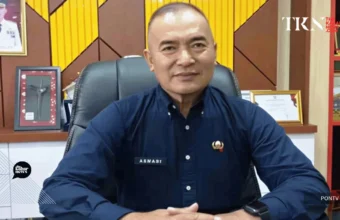
“Mobile phone use in schools must be regulated so that students can concentrate better, avoid misuse of digital technology, and learn in a safe and conducive educational environment,” Singkawang Education and Culture Office (Disdikbud) Head Asmadi said on Thursday, July 16, as reported by ANTARA.
Students may use mobile phones during lessons only when a teacher authorizes them for a specific educational activity.
The Disdikbud of Singkawang has appealed to students not to bring cell phones to school. However, there may be exceptions in specific cases, subject to the approval of the school and the parents.
Where permitted, students must place their devices in designated storage before lessons begin. The phones must remain there until the school allows students to retrieve or use them.
Schools also need to prevent students from accessing or sharing content on violence, pornography, online betting, cyberbullying, disinformation, or commercial activities unrelated to education.
The Education and Culture Office instructed each school to develop internal rules tailored to its conditions and students’ needs. Enforcement should include education on digital literacy as well as coordination with parents rather than just punishment.
Teachers should set an example by minimizing their personal phone usage during teaching. Teachers may use mobile devices for instruction, official school duties, or emergencies.
The policy is a continuation of Singkawang’s previous circular on school phones. In addition, it is in accordance with Government Regulation No. 17/2025 on child protection in electronic systems and Ministerial Regulation No. 6/2026 on safe and comfortable school culture.
The Education Ministry further supported the policy by issuing nationwide Circular No. 18/2026 on July 13. The circular instructs regional governments and schools to regulate devices according to local circumstances but still keep their educational value.
“This directive is not a ban. “It is about how students use digital technology, especially devices, wisely, appropriately, and for educational purposes,” Education Minister Abdul Mu’ti said.
Singkawang’s action is part of a larger international trend. In March 2026, UNESCO said that 114 education systems, or 58% of the world’s countries, had put in place national bans or restrictions on the use of mobile phones in schools.
UNESCO also emphasizes that restrictions are not a substitute for digital education. Students still need guidance to safely and responsibly navigate online environments.”
Cooperation among schools, teachers, parents, and students will be necessary. Asmadi stated that successful implementation will require cooperation among schools, teachers, parents, and students. for successful implementation, said Asmadi.
The policy aims to keep technology in education while ensuring it supports learning without distracting or endangering students.



No Comment! Be the first one.