



Japan recruits foreign bus drivers as labor shortage deepens
TOKYO, Thekabarnews.com—As Japan’s population ages and swells with retirees, the country is trying to fill a widening labor shortage with foreign bus drivers. This includes drivers from Indonesia....

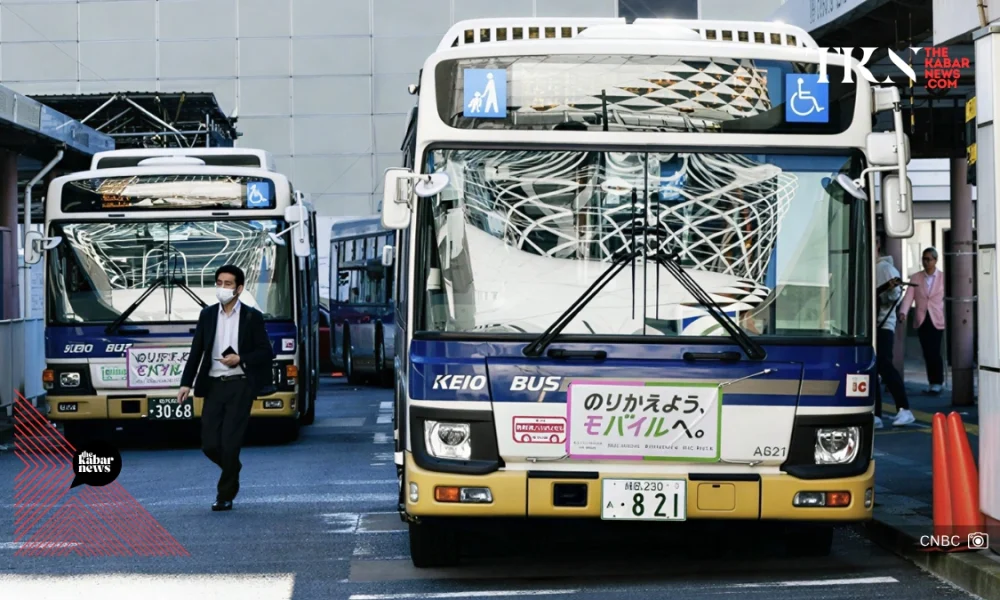
TOKYO, Thekabarnews.com—As Japan’s population ages and swells with retirees, the country is trying to fill a widening labor shortage with foreign bus drivers. This includes drivers from Indonesia.
Major public transportation operator Tokyu Bus admitted that demographic changes are putting growing pressure on Japan’s bus industry. As a result, companies must recruit qualified drivers from overseas to maintain transportation services.
“Some 60 percent of our bus drivers are now in their 50s or older,” said Okano Kyoko, executive officer for Tokyu Bus, as quoted by CNBC. Furthermore, the company says overseas recruitment has become a necessary long-term strategy. A large part of its workforce is nearing retirement.
“We have a labor shortage that is going to get worse in the future. There is no other choice but to move in this direction,” Okano said, explaining the company’s efforts to attract foreign talent.
As the country’s birth rate continues to fall and its population ages, Japan has for years been struggling with labor shortages in several industries. However, transportation has been one of the sectors most affected. Bus operators are struggling to recruit younger domestic workers.
To help address the shortage, companies are beginning to offer more job opportunities to qualified foreign workers. Japan’s expanding labor migration programs make such arrangements possible.
Indonesia has become one of the countries that provide skilled workers to Japan. These workers include professionals in healthcare, manufacturing, hospitality, construction, and transportation.
However, possessing a valid driver’s license alone is insufficient for securing a bus driver position in Japan.
Bus companies say foreign applicants are well-trained in Japanese traffic laws, passenger safety, customer service, and language skills. Japanese language training remains one of the biggest hurdles for international recruits.
Drivers must have excellent communication skills with passengers and understand operational instructions. In addition, they must respond to emergencies and drive safely on local routes while maintaining the high standards of public transportation services in Japan.
Many foreign workers, however, have successfully adapted to the profession. One of them is Mahatmi Rismartanti, an Indonesian bus driver who is now working in Japan.
“I am thrilled. “I will make sure that every passenger reaches their destination safely,” Mahatmi said, reiterating her commitment to providing safe and reliable transportation.
Her experience is a reflection of the increasing role of Indonesian professionals in Japan’s transportation sector. Meanwhile, the two nations are strengthening their labor cooperation.
Japan’s demographic trends are likely to increase demand for foreign workers in key public services in the coming decades.
With fewer young people joining the workforce and more workers nearing retirement age, companies are increasingly turning to international recruitment as an important solution. This helps keep the economy and public services functioning.
Bus operators are under constant pressure to grow their workforces. Additionally, they must conduct rigorous training to maintain Japan’s world-renowned standards of safety, punctuality, and customer service.
The project also points out a major shift underway in Japan’s labor market. Companies are gradually becoming more open to international talent to help address structural demographic problems.
With Japan continuing to adjust to an aging society, foreign workers are likely to be increasingly important in keeping the country’s transportation network running. They also help ensure that communities across the country receive essential public services.






No Comment! Be the first one.