



Tesla’s self-driving technology credited with assisting driver in medical crisis
Thekabarnews.com—A Tesla owner credited the company’s Full Self-Driving (FSD) technology with getting him to a hospital during a life-threatening medical emergency. This has reignited debate about...

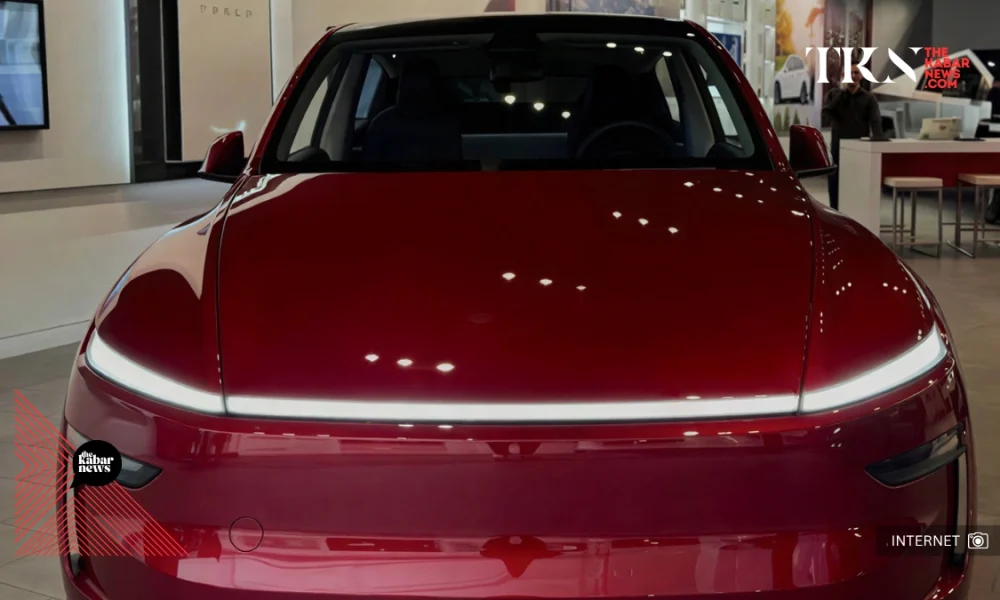
Thekabarnews.com—A Tesla owner credited the company’s Full Self-Driving (FSD) technology with getting him to a hospital during a life-threatening medical emergency. This has reignited debate about what more autonomous driving systems can and can’t do.
John, who did not give his last name, said he had a serious medical emergency while driving. He used Tesla’s advanced driver assistance technology to help him get to a nearby hospital safely.
While John was trying to get medical care, he said the car’s full self-driving system helped him navigate and drive. This allowed him to focus on managing his worsening condition.
Hospital doctors reportedly determined that John was suffering from a life-threatening medical condition. Doctors later said the speed of his treatment was likely a key to better chances of survival.
The incident has garnered widespread attention among Tesla owners and tech watchers. Many view the case as an example of how advanced driver-assistance systems can aid drivers in emergencies.
Tesla designed its Full Self-Driving system to assist with steering, braking, acceleration, lane positioning, and navigation on compatible roads. But the company has repeatedly said the tech doesn’t make its cars fully autonomous.
Tesla tells drivers to always stay alert. Drivers must keep their hands free to take control of the steering wheel if needed. They are to be fully responsible for operating the vehicle.
The company describes Full Self-Driving as a driver-assist feature, not a replacement for drivers.
Advanced driver-assistance technologies can reduce driver workload in some situations. However, safety experts have long said they require constant human supervision because the systems might not react properly to all traffic scenarios.
The latest incident has reignited debate over the possible upsides and downsides of autonomous driving technologies.
Smart driver-assistance systems can help make roads safer. They ease driver fatigue and assist with unexpected emergencies such as sudden illness or medical distress.
But critics warn against taking isolated success stories. They caution against concluding that self-driving technology can safely replace alert human drivers in all situations.
As automakers add more automated features to consumer vehicles, regulators and transportation safety organizations around the world continue to evaluate the performance of advanced driving technologies.
Tesla is still one of the leading developers of driver-assistance technology in the industry. However, its Full Self-Driving system has also faced regulatory scrutiny and public debate over its capabilities, marketing, and safe operation.
For many tech analysts, John’s experience is a microcosm of the promise and complexity of ever more intelligent vehicles. The system may have saved him at a critical time. Nonetheless, drivers need to understand the technology’s limitations and be ready to take control when necessary.
As carmakers invest more in artificial intelligence and vehicle automation, scenarios such as this will no doubt be front and center in conversations about the future of transportation, road safety and the changing relationship between drivers and advanced vehicle technologies.



No Comment! Be the first one.