



Ex-BEM UGM chairman criticizes Prabowo, Hotman Paris questions university’s response
Thekabarnews.com—Public debate has arisen over the boundaries of political criticism and freedom of speech. Several public figures criticized statements made by Tiyo Ardianto, the former chairman of...

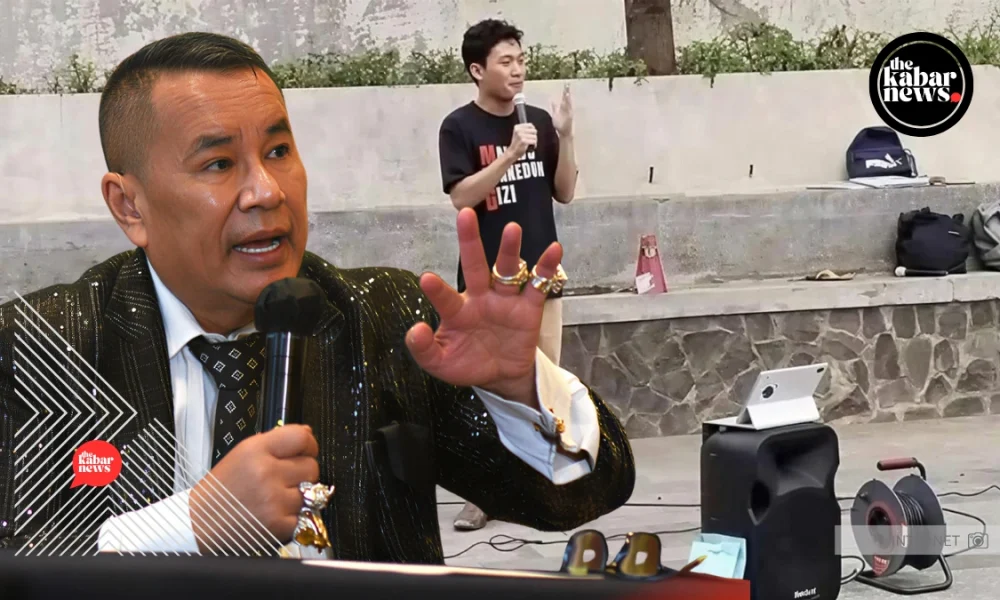
Thekabarnews.com—Public debate has arisen over the boundaries of political criticism and freedom of speech. Several public figures criticized statements made by Tiyo Ardianto, the former chairman of the University of Gadjah Mada’s (UGM) Student Executive Board (BEM), triggering the controversy. Among those who criticized Tiyo was prominent lawyer Hotman Paris Hutapea.
The row escalated on Friday when Hotman posted a video on his Instagram account showing Tiyo showing disrespect to President Prabowo Subianto.
Hotman said the remarks in the video went beyond political criticism and became a personal attack, according to Tribunnews, Friday, June 12.
The video went viral, and Hotman openly asked if the UGM leadership would respond to the incident.
He asked whether UGM rector Ova Emilia thought the words were within the bounds of permissible criticism. Otherwise, he questioned whether the words were an insult to the head of state.
“What disciplinary action would the university take against Tiyo?” asked Hotman.
As of publication, UGM has not decided anything. Former Youth and Sports Minister Adhyaksa Dault also expressed his concern over the comments on the recordings.
“Political criticism should be respectful, even to the leaders of the government,” said Adhyaksa.
He said he often disagreed with issues under the administration of former president Joko Widodo but never used what he considered disrespectful language.
“Criticism is a key part of democracy, but not personal attacks that demean,” Adhyaksa said.
Tiyo Ardianto is now studying philosophy at UGM. Since then, he has been known for his loud criticism of the Prabowo administration.
One topic he has often spoken about is the government’s Free Meals (MBG) program. This is one of President Prabowo’s hallmark social programs.
Some people described his remarks as a legitimate expression of democratic freedom, while others argued that public officials deserve respect despite political differences. In addition, social media has been buzzing with debate over his comments.
The incident has reopened debates in Indonesia about freedom of speech, academic freedom, and the ethics of political criticism.
Legal scholars generally distinguish between constitutionally protected criticism of public policy and speech that may violate defamation or insult laws. The distinction depends on its substance and context.
Traditionally, universities have served as unrestricted platforms for the exchange of ideas. But they are also educational institutions and they have codes of ethics that describe how students should behave.
The issue remains prominent, and commentators note that the debate underscores the ongoing difficulty of reconciling democratic liberties with civil public discussion.
It remains to be seen whether UGM will issue an official response. Yet the issue has already raised wider questions about political communication, student activism, and the responsibilities that come with freedom of expression in Indonesia’s democratic culture.



No Comment! Be the first one.