



Zohran Mamdani criticizes global spending priorities, urges focus on poverty and hunger
Thekabarnews.com—Zohran Mamdani sparked a global discussion by criticizing the way governments spend their money. He noted that governments often spend more on war than on hunger and poverty....

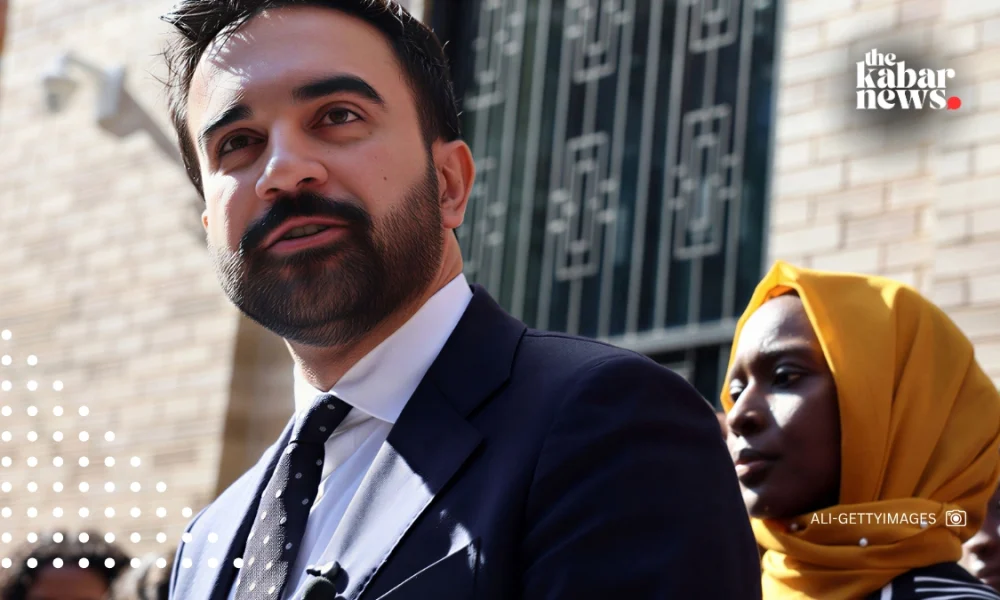
Thekabarnews.com—Zohran Mamdani sparked a global discussion by criticizing the way governments spend their money. He noted that governments often spend more on war than on hunger and poverty.
Mamdani’s comments went viral on social media. They raised the question of why governments can raise vast sums of money for armed conflict but not for social welfare programs.
“We always have money for war, but not to feed the hungry,” said Mamdani, pointing to what he called a fundamental imbalance in policy priorities.
The comments come as countries around the world are ramping up defense spending in the face of geopolitical tensions. At the same time, humanitarian groups continue to raise alarms over growing food insecurity and economic inequality.
Policy analysts attribute recent increases in global military spending to security concerns and regional conflicts. At the same time, inflation, unemployment, and widening income gaps pressure many governments to strengthen social safety nets.
Mamdani’s comments echo the calls of activists and advocacy groups. These groups have long urged a reallocation of funds towards poverty alleviation and social protection.
Groups say investment in basic needs such as food security, health care, and education could address root causes of conflict. In the long term, such investment could promote stability.
“We are talking about reordering priorities,” said a social policy expert. There are ways to build societies that can address poverty and inequality that military spending cannot.
But some policymakers warn that national security and geopolitical stability still require defense spending. Governments, it is said, have to balance conflicting demands such as security, economic growth, and social welfare.
This debate forms part of a wider global discussion on how governments manage limited resources in a more complex world. But as more economic pinch points emerge, the issue of fiscal priorities becomes more acute.
Repeatedly, international agencies have warned that millions, especially in developing countries, are still food insecure. Vulnerable populations are facing the combined impact of rising food prices, climate change, and supply chain disruptions.
Mamdani’s comments come amid an increasing call for governments to take stock of their spending. In addition, many urge governments to focus on social investments that would yield long-term benefits.
Supporters say that if some of the military budget were diverted to social programs, millions of lives would be so much better.
We are currently discussing the need for well-balanced policies that take into account not only current security concerns but also long-term human development goals.
This is likely to be a major issue in international policy debates for some time. Governments must try to balance their security concerns with the health of their people.



No Comment! Be the first one.