



Hungary election 2026: Viktor Orbán concedes defeat after 16 years in power
Thekabarnews.com—After more than 15 years in power, Hungarian Prime Minister Viktor Orbán has admitted defeat in the country’s parliamentary elections on April 12. This is a big change in...

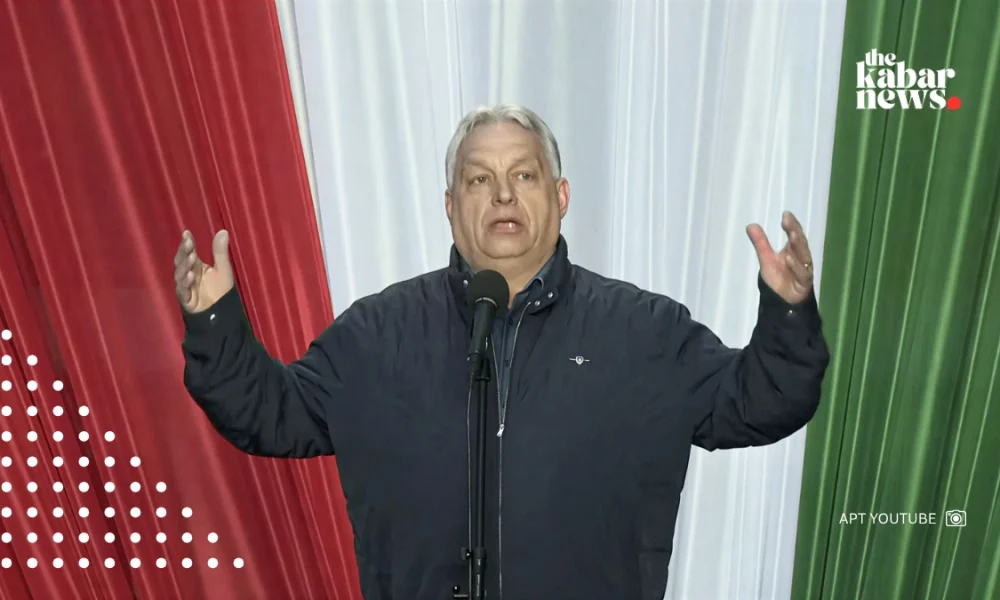
Thekabarnews.com—After more than 15 years in power, Hungarian Prime Minister Viktor Orbán has admitted defeat in the country’s parliamentary elections on April 12. This is a big change in politics.
The national election office in Hungary has released early results that show the opposition party Tisza is likely to win by a wide margin. Based on partial counts, the party is expected to win 135 seats in the 199-seat parliament. This would give it a two-thirds majority.
The result shows that Hungary’s political landscape has changed a lot. Orbán and his ruling party had been in charge for 16 years. The election also gets a lot of attention from people around the world. The interest is because Orbán is close to Donald Trump and has a lot of power in European politics.
Péter Magyar, leader of the Tisza party and likely the next prime minister of Hungary, said that Orbán had accepted the result. Magyar said on social media that Orbán called him to congratulate him on the win.
“The election results are not final yet, but the situation is clear. The result hurts us, but it is clear,” Orbán said at his campaign headquarters, as quoted in USAToday.
According to analysts, the election shows that more and more people want political change. Voters responded to problems with the economy, the government, and changing public opinion. The strong showing by the opposition suggests that voters who want a change from Orbán’s leadership are coming together.
Tisza would have a lot of legislative power with a projected two-thirds majority. This would include the power to pass major reforms and possibly change parts of the constitution.
Observers say that the change of power could change Hungary’s policies at home and abroad. The incoming leadership will likely take a new approach to major issues. For example, they may change how to deal with the European Union and how to change the way the government works.
Officials stressed that the final results have not yet been officially certified, even though the outcome was clear. The margin of victory, on the other hand, shows that a big change is unlikely to happen.
The election marks the end of a long political era in Hungary. Orbán has shaped the country’s direction for more than a decade.
As the transition begins, observers will closely watch how the new government handles economic challenges and political expectations.
The event shows how democratic processes are constantly changing. Changes in public opinion can lead to significant changes in leadership and policy, particularly in response to the economic challenges and political expectations that the new government will face.


No Comment! Be the first one.