



Iran condemns US-Israel strike near Bushehr nuclear plant, cautions on radiation risks
Thekabarnews.com—Iran’s Foreign Minister Seyed Abbas Araghchi has strongly condemned reports that the US and Israel attacked near the Bushehr Nuclear Power Plant. He said that more attacks could have...

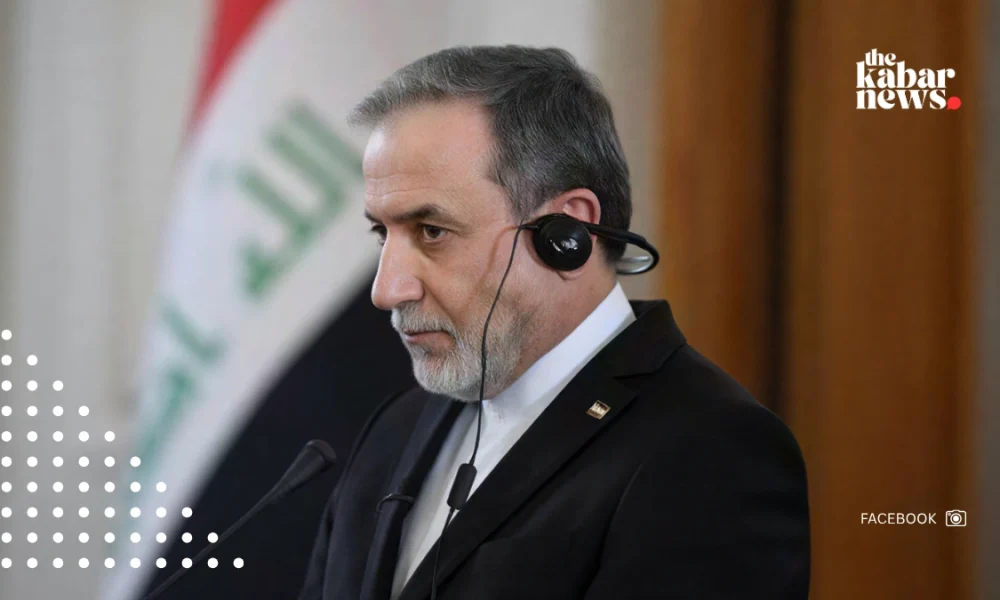
Thekabarnews.com—Iran’s Foreign Minister Seyed Abbas Araghchi has strongly condemned reports that the US and Israel attacked near the Bushehr Nuclear Power Plant. He said that more attacks could have “deadly consequences” for the whole West Asian region.
On Saturday, April 4, Iranian officials confirmed that a missile hit an area close to the country’s only nuclear power plant that was still working. The attack killed one guard. Additionally, the attack caused damage to some of the site’s infrastructure.
This was the fourth reported attack on the Bushehr facility since tensions between Iran, the US, and Israel began to rise in late February.
Araghchi said on social media site X that both Washington and Tel Aviv had attacked the nuclear facility many times. He said that radioactive fallout would not just stay in Iran; it could also spread to other Gulf countries.
“Radioactive contamination would destroy major cities across the Gulf Cooperation Council, not just Tehran,” Araghchi said. This shows that attacks on nuclear infrastructure can have bigger risks for the whole region.
The Tasnim News Agency, which is semi-official in Iran, said that the main operations at the Bushehr plant are still going on, even though there was a strike. Officials confirmed that the main reactor systems remained intact. Consequently, the plant continues its normal operations.
The International Atomic Energy Agency (IAEA) said that radiation levels had not gone up since the event. However, IAEA Director General Rafael Grossi expressed deep concern and stated that military operations must never target nuclear facilities.
“Attacks on nuclear sites or their surroundings are unacceptable,” Grossi said, and he urged everyone to be as careful as possible to avoid a possible nuclear accident.
The most recent news comes as tensions rise in the area after the U.S. and Israel began attacking Iranian targets together on February 28.
The conflict has gotten worse since then. Iran and its allies in the region have launched drone and missile attacks against Israel and U.S.-linked targets in the Middle East.
If military actions keep happening near important infrastructure, like nuclear plants, the chances of a bigger crisis in the region could go up a lot.
The situation also shows that people are getting more worried about how modern warfare might affect them. In addition, they worry about the environment in well-connected areas.
International observers are still calling for a de-escalation and new diplomatic efforts to stop more instability as tensions stay high.




No Comment! Be the first one.