



Iran-Israel escalation targets strategic nuclear sites in rapid retaliation cycle
Thekabarnews.com—Recent events in the Middle East conflict show that Iran and Israel are attacking each other more directly. Both sides are quickly going after important military targets. Reports on...

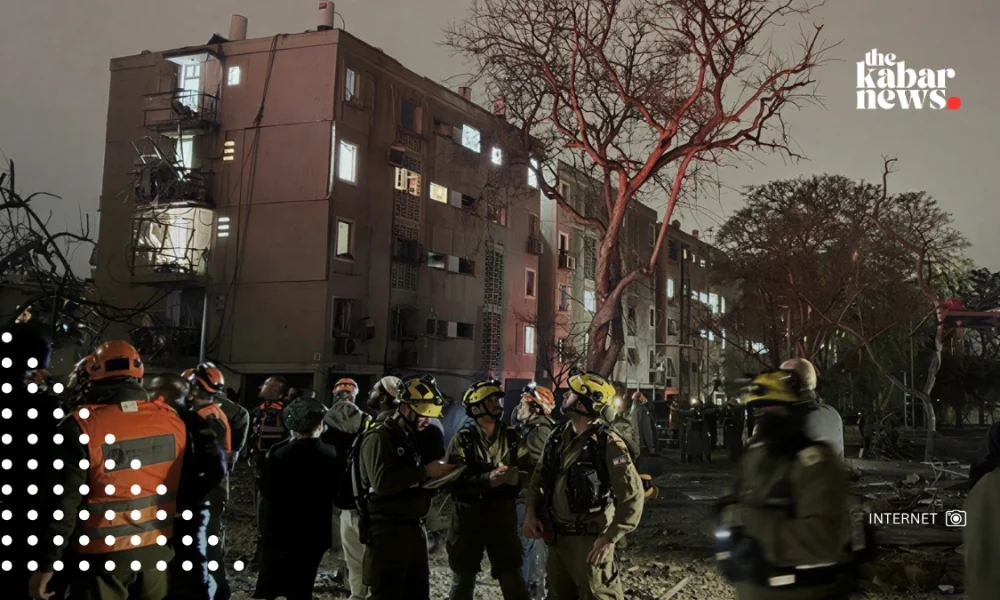
Thekabarnews.com—Recent events in the Middle East conflict show that Iran and Israel are attacking each other more directly. Both sides are quickly going after important military targets.
Reports on March 21 indicated that a strike damaged the Natanz nuclear facility in Iran’s Isfahan province. The US and Israel were said to have carried out the attack.
The International Atomic Energy Agency said that the event did happen. Despite the site’s impact, there was no radiation leak.
Reports say that Iran struck back a few hours later, hitting Dimona, a town in southern Israel. Dimona is near the Negev Nuclear Research Center.
Experts have thought for a long time that the facility is an important part of Israel’s military capabilities. However, there is still no official word on it.
People who are watching say that the way things went down shows a planned pattern of escalation. That same day, there was a response that hit a nuclear site in Israel after the morning strike on Natanz. This sequence means that the answer was planned out ahead of time.
Since the conflict got worse on February 28, 2026, Iran has always done things that are in line with what happened when the military attacked. In fact, every time the situation worsens, Iran appears to respond in a way that maintains the strategic balance.
In the past, fights in the area usually only got worse in one way. This pattern is not true anymore. Currently, people are concerned that the situation will deteriorate due to the more balanced exchange of actions.
The situation also shows how important political stories are, not just military ones. Israeli officials have always said that they are only defending themselves. They also say they need to protect themselves from threats that they think are real.
On the other hand, critics say international discussions often accept this kind of framing. This difference makes people see the conflict in different ways.
Attacking infrastructure related to nuclear weapons makes things much more dangerous. This is because these actions have bigger effects on security in the region and the world.
As tensions escalate, the rest of the world is closely monitoring the situation. If things keep getting worse, they are most worried that the conflict could spread to other areas.
The evolving situation underscores the fragile balance in the Middle East, where strategic decisions and rapid responses can quickly reshape the geopolitical landscape, potentially leading to wider regional instability and affecting global security interests.





No Comment! Be the first one.