



Indonesia starts process to replace vice president
JAKARTA, The Kabar News—President Prabowo Subianto holds the constitutional authority to nominate two candidates to replace Gibran Rakabuming Raka as vice president. This was stated by Coordinating...

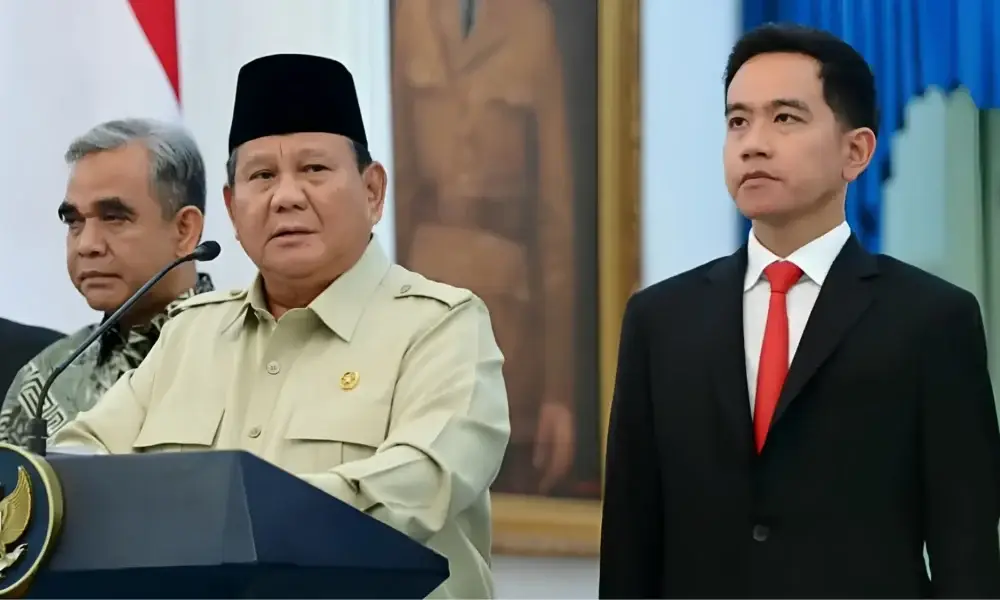
JAKARTA, The Kabar News—President Prabowo Subianto holds the constitutional authority to nominate two candidates to replace Gibran Rakabuming Raka as vice president. This was stated by Coordinating Law, Human Rights, Immigration and Correctional Services Minister Yusril Ihza Mahendra on Thursday, Nov. 12.
Yusril spoke after joining People’s Consultative Assembly (MPR) and House of Representatives (DPR) leaders at the Presidential Palace in Jakarta. The meeting discussed the succession process following Gibran’s resignation earlier that day.
Under Article 8(2) of the 1945 Constitution, MPR must elect a new vice president from two candidates nominated by the president. Moreover, the MPR must hold the election within 60 days after the vice-presidential office becomes vacant.
Yusril said Prabowo could consult coalition leaders or other parties before deciding whom to nominate. However, the final choice of the two candidates rests with the president.
Read also: MPR receives Gibran’s resignation letter, plans succession
Yusril argued that the candidates should come from the political parties that nominated Prabowo and Gibran in the 2024 presidential election.
“Therefore, the candidates are indeed from the parties that formed the coalition that nominated the presidential and vice-presidential pair. That is mentioned in the MD3 Law,” Yusril told reporters.
He added that Prabowo could nominate a Gerindra Party member. This is because the party led the coalition that supported his presidential bid.
However, the published text of Article 46 of the MD3 Law does not expressly require either candidate to come from a party in the previous electoral coalition. The provision says that the president proposes two candidates. Furthermore, it states that the MPR elects one of them.
Read also: Attorney General nominates Kuntadi as new Jampidsus
Constitutional law lecturer Titi Anggraini has also challenged the proposed restriction. She said neither Article 8(2) of the Constitution nor Article 46 of the MD3 Law limits candidates according to party affiliation.
“The nomination is entirely the president’s authority,” Titi said, as quoted by Media Indonesia. “No provision requires a candidate to be a member of a particular nominating party.”
The distinction matters because the MD3 Law imposes a party-based nomination requirement when both the presidency and vice presidency become vacant simultaneously. However, it does not repeat that language in the separate provision governing a vice-presidential vacancy.
Yusril said MPR leaders expected to complete their initial administrative work within about three days. The assembly would then formally notify Prabowo and ask him to submit two candidates.
“In principle, we agreed that after the president receives the letter from the MPR, he will need 14 days to submit the vice-presidential candidates to the MPR,” Yusril said.
Read also: Bakom head rejects Gibran claim on Prabowo’s PTUN advice
Officials agreed on a 14-day timetable. Article 46(2) of the MD3 Law requires the president to submit two candidates. The president must also provide their supporting documents no later than 14 days before the MPR plenary session.
Both candidates have to accept their willingness to stand before the assembly votes. The person with the most votes becomes vice president. Should the second vote also end in a tie, the law allows the president to choose between the two candidates.
Officials aim to complete the process before the end of December 2026. Until the MPR elects and inaugurates a successor, Prabowo will continue leading the government without a vice president.
The succession will test an unusual constitutional process that Indonesia has seldom applied. Moreover, a transparent process for nominations and a clear explanation of the qualifications of each nominee will help build public confidence during the transition.



No Comment! Be the first one.